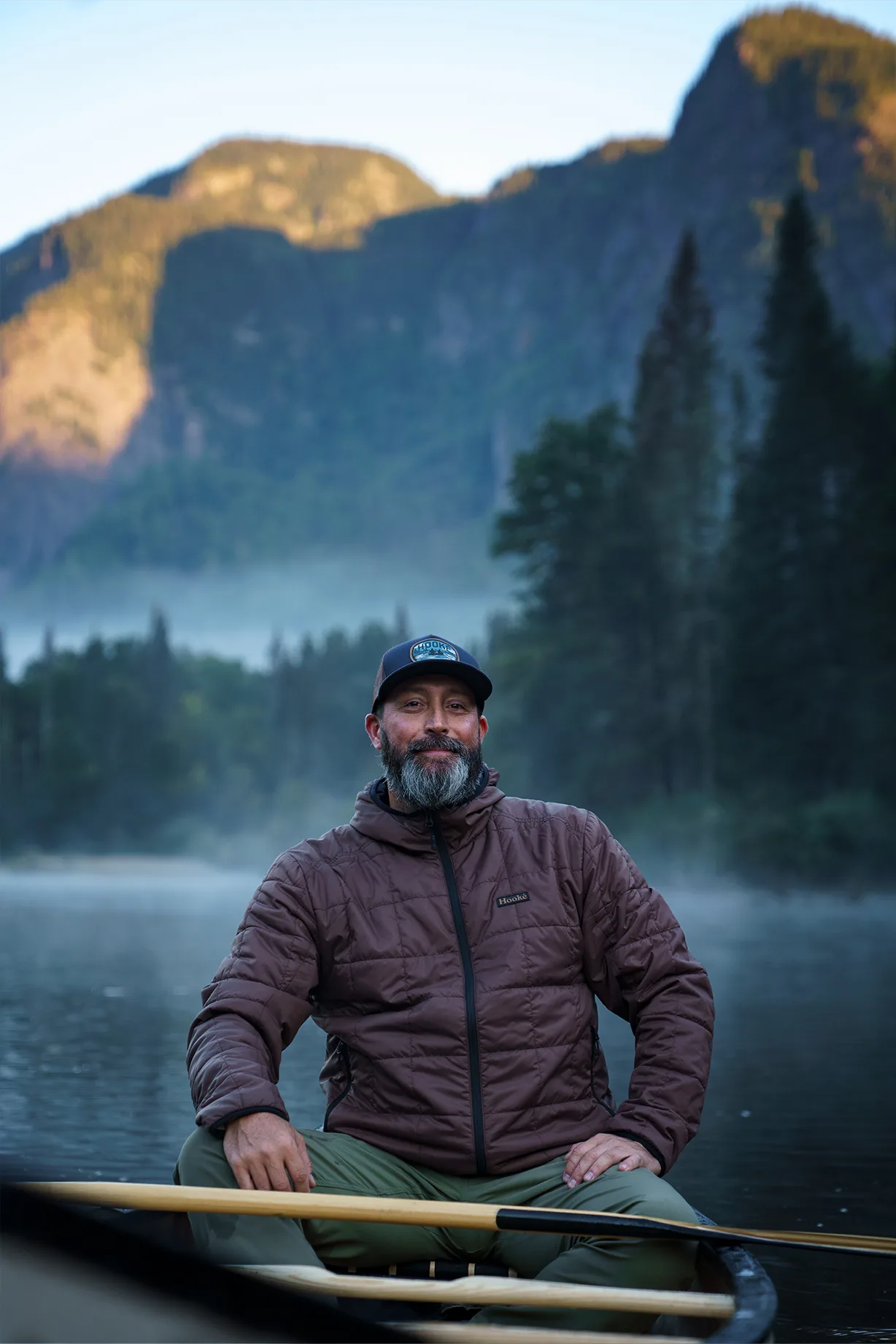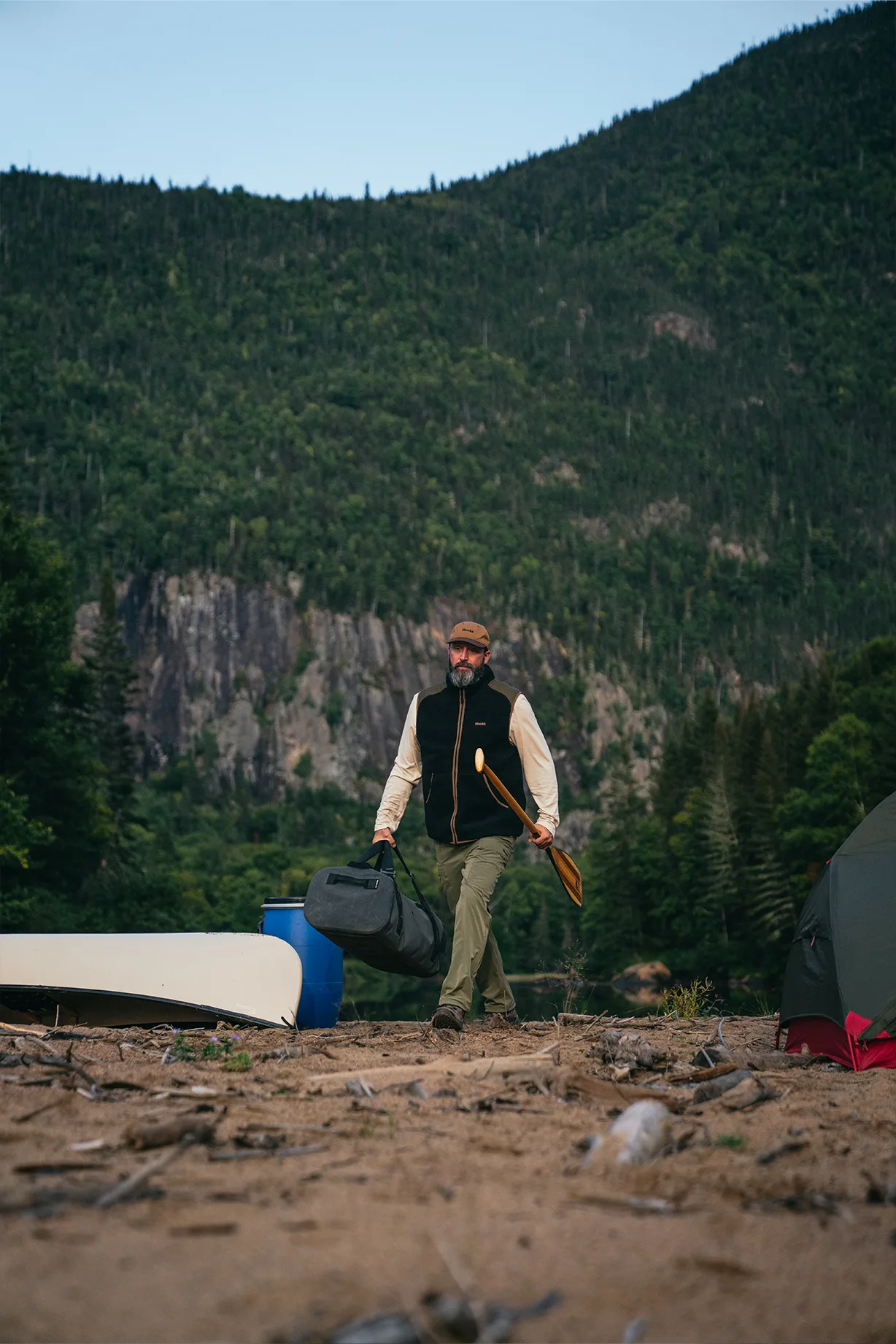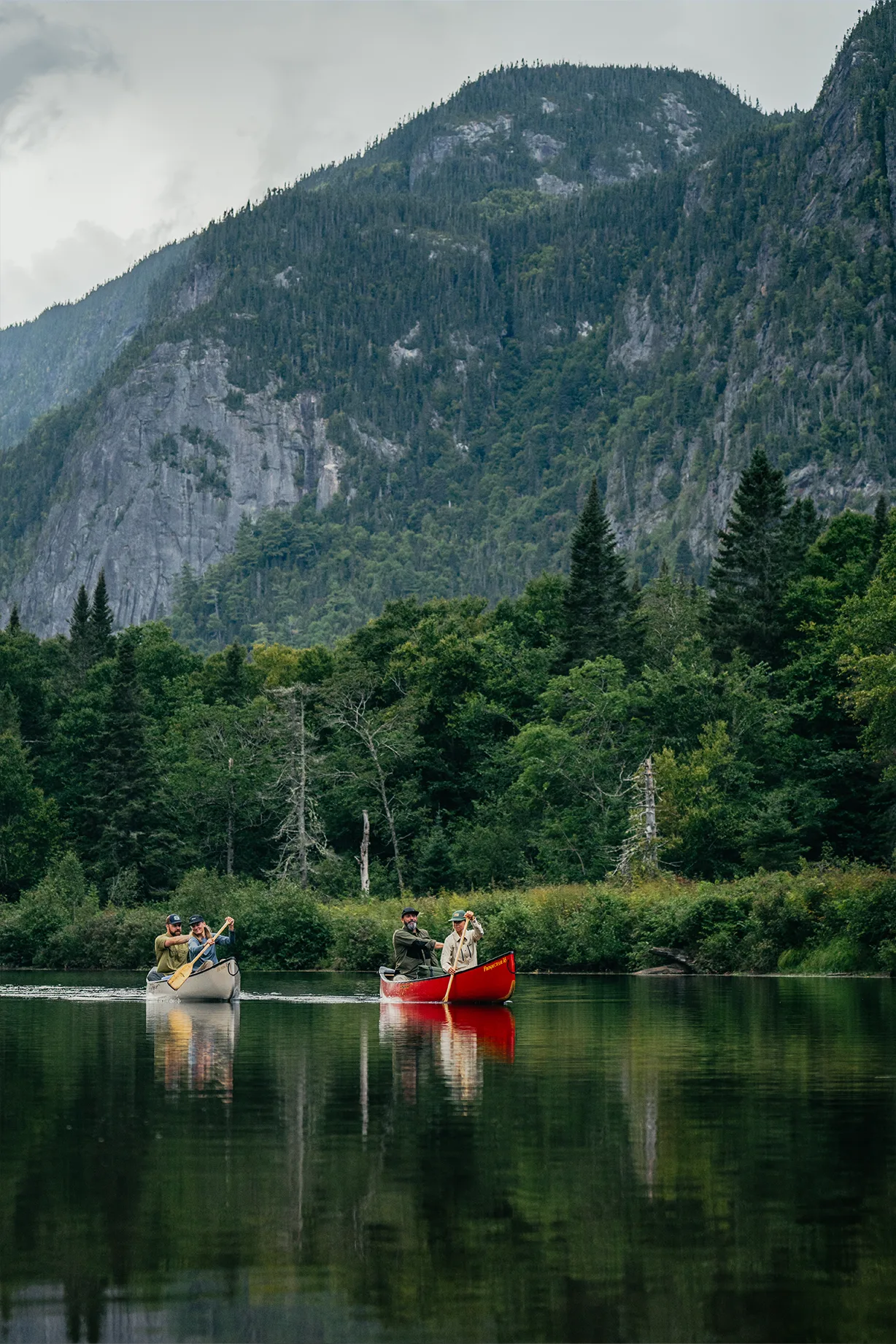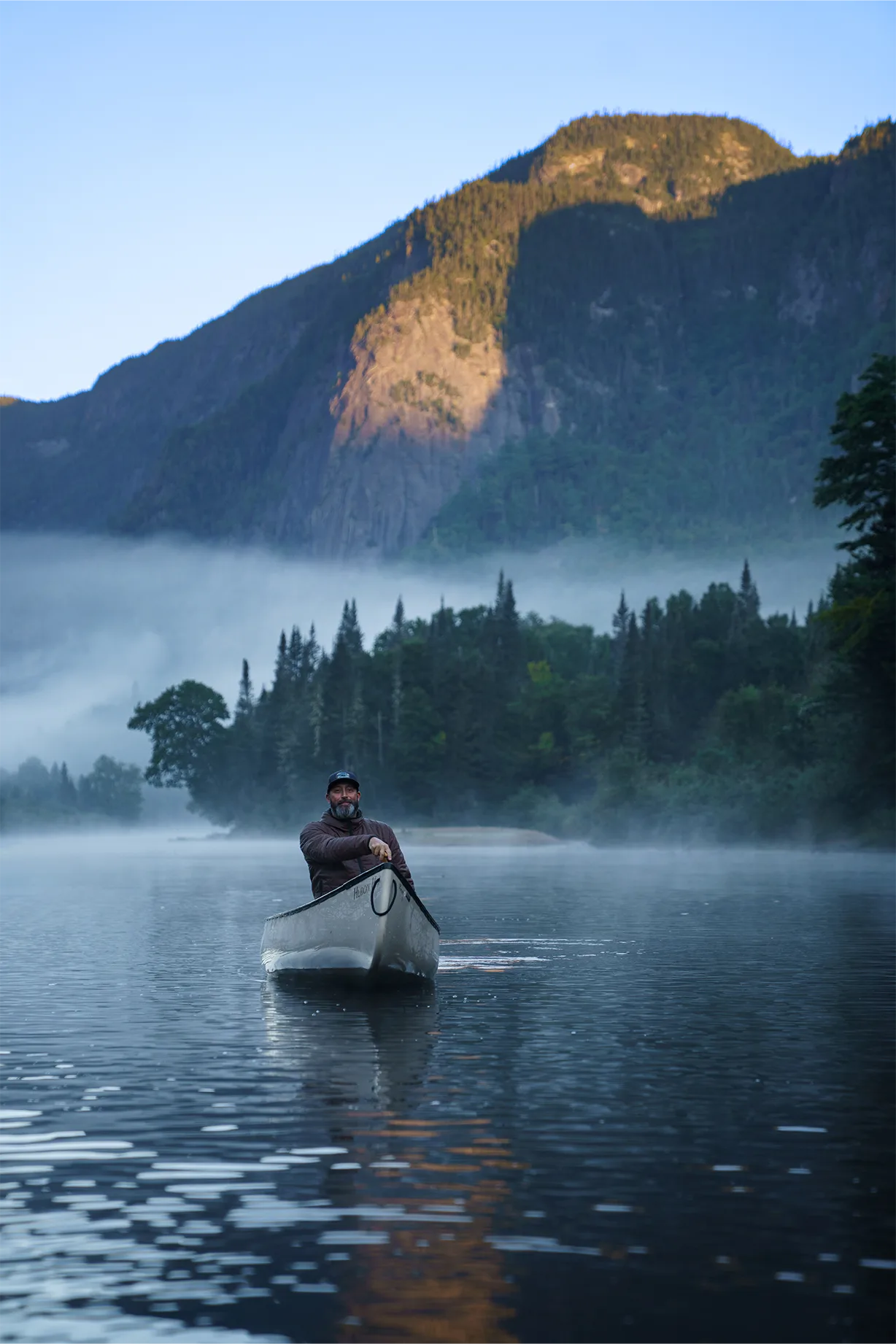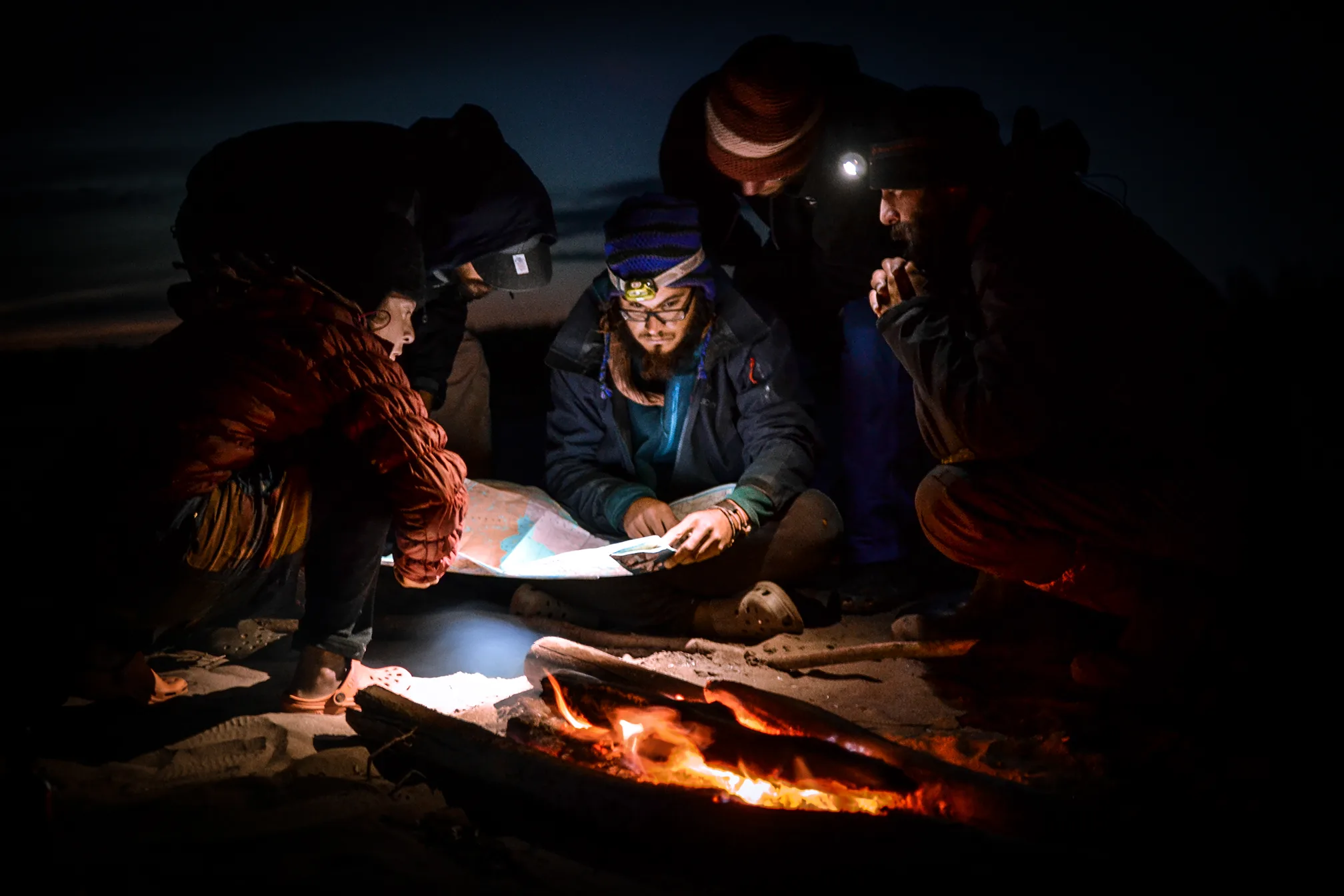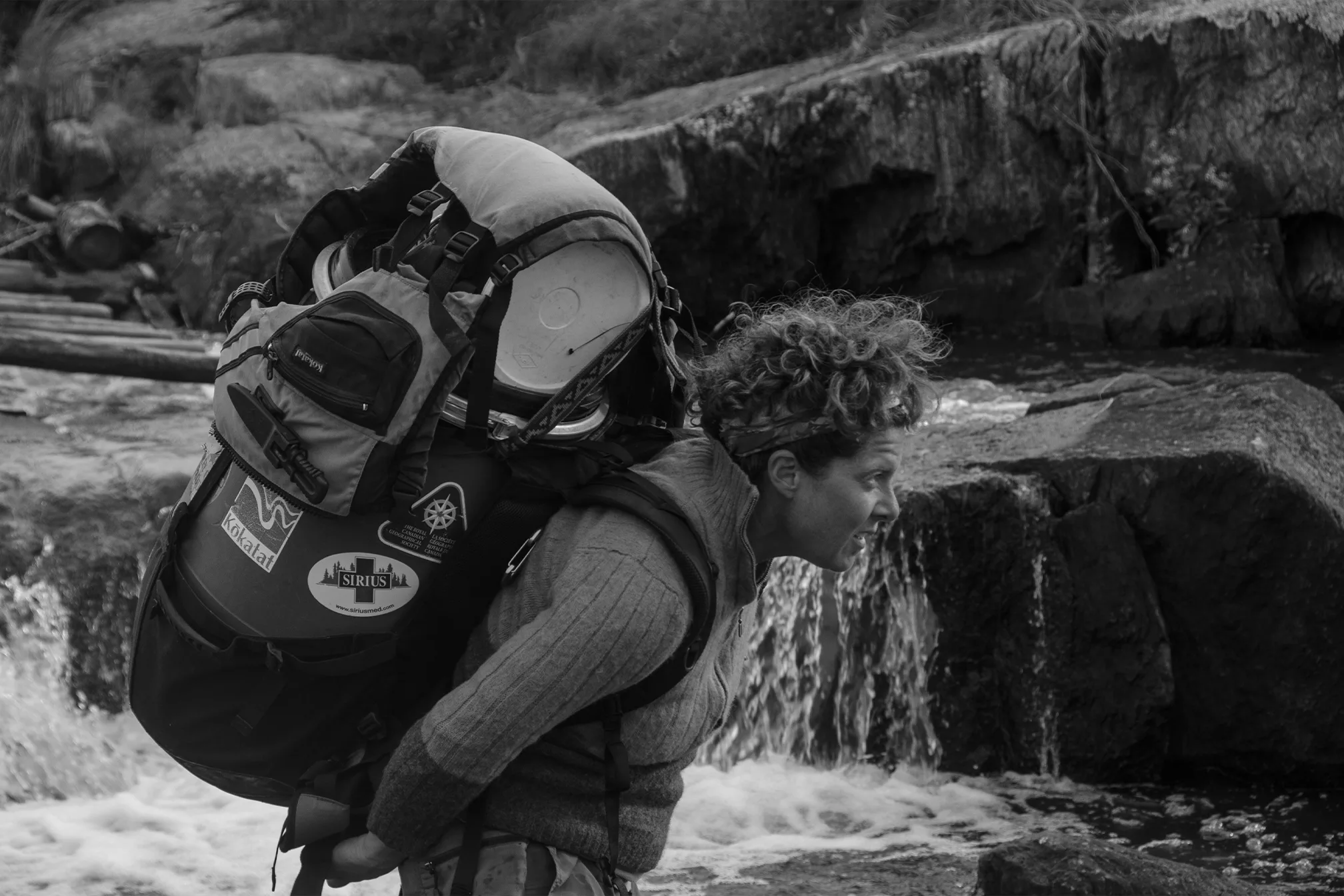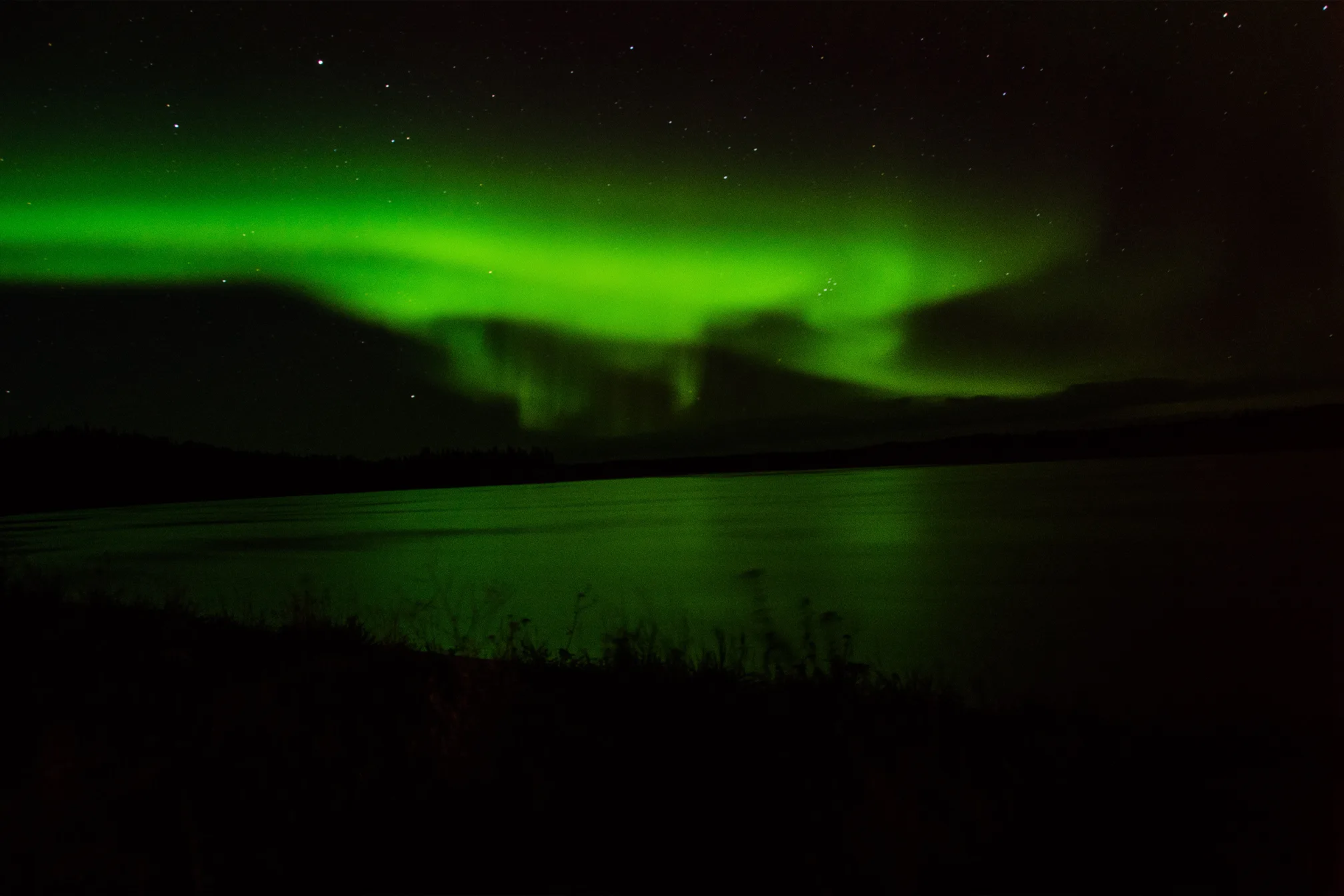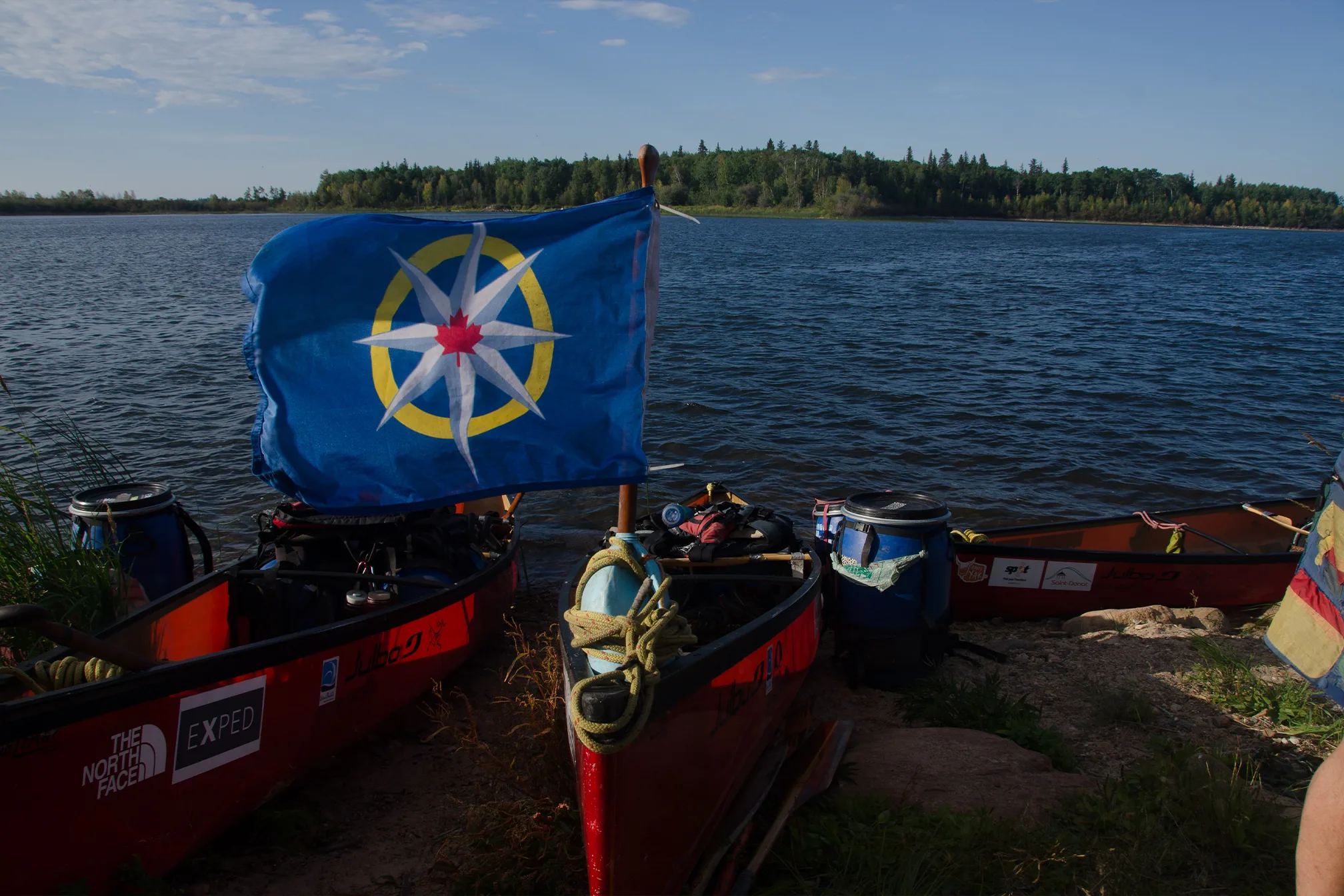
Yukon River 2025
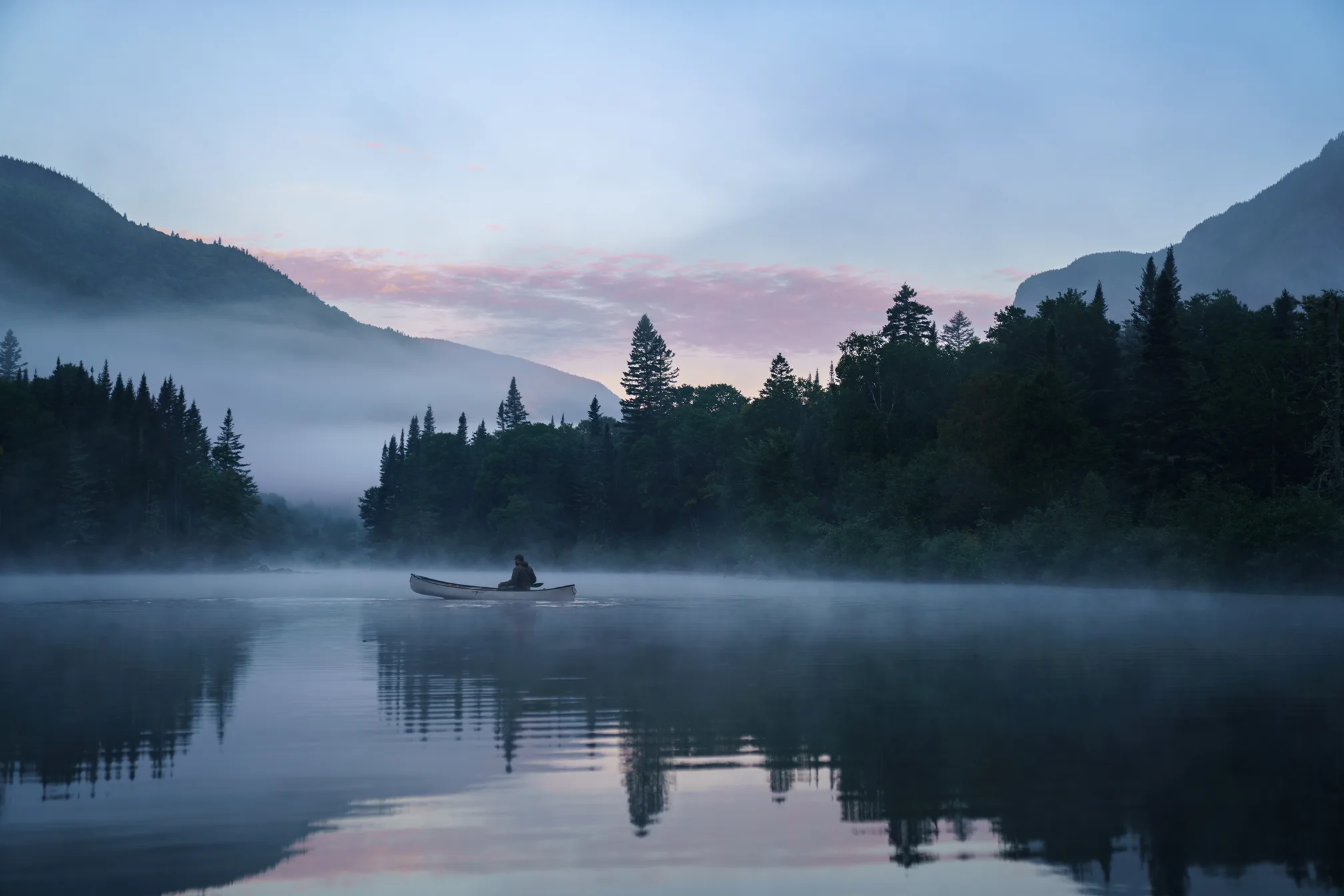
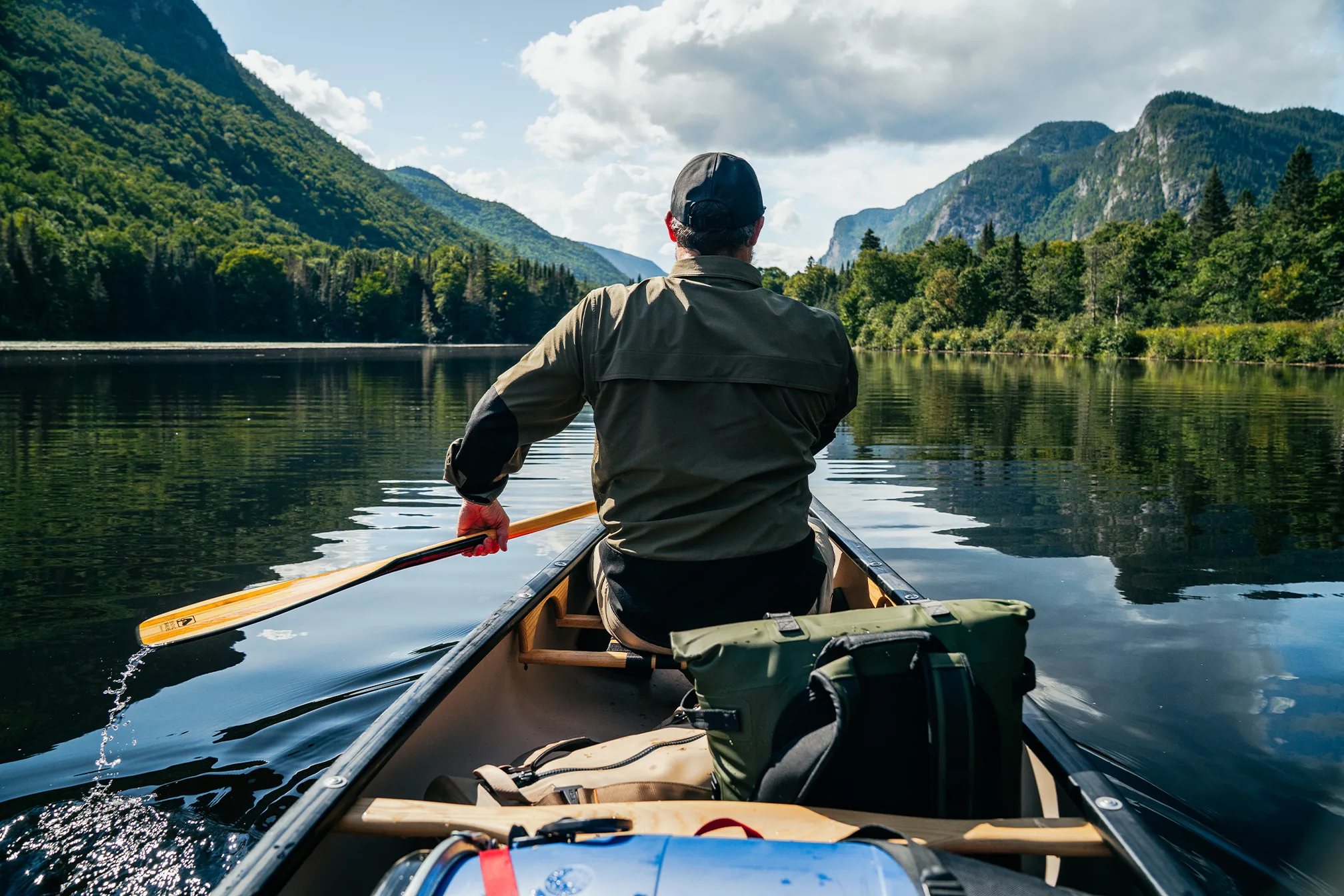
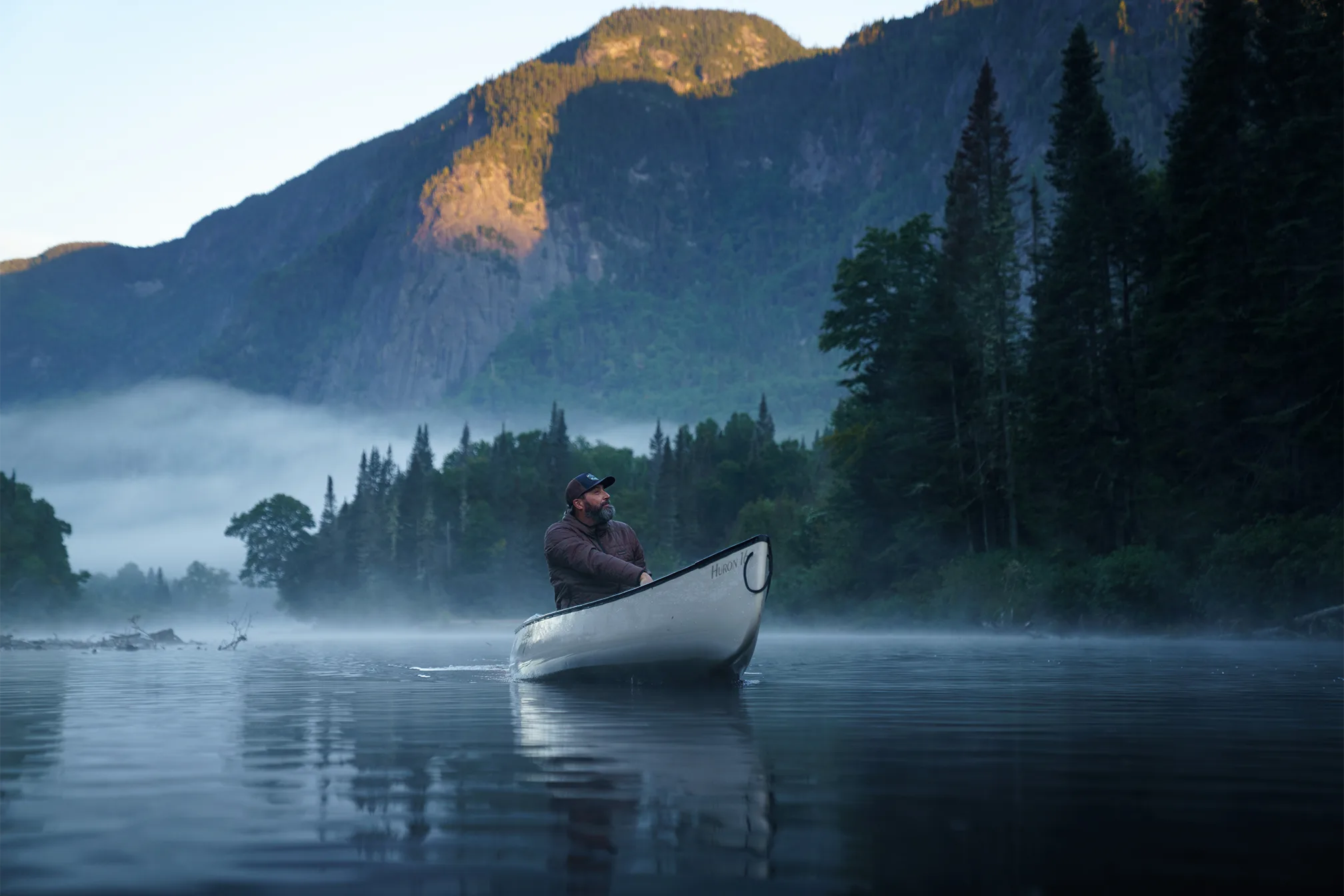
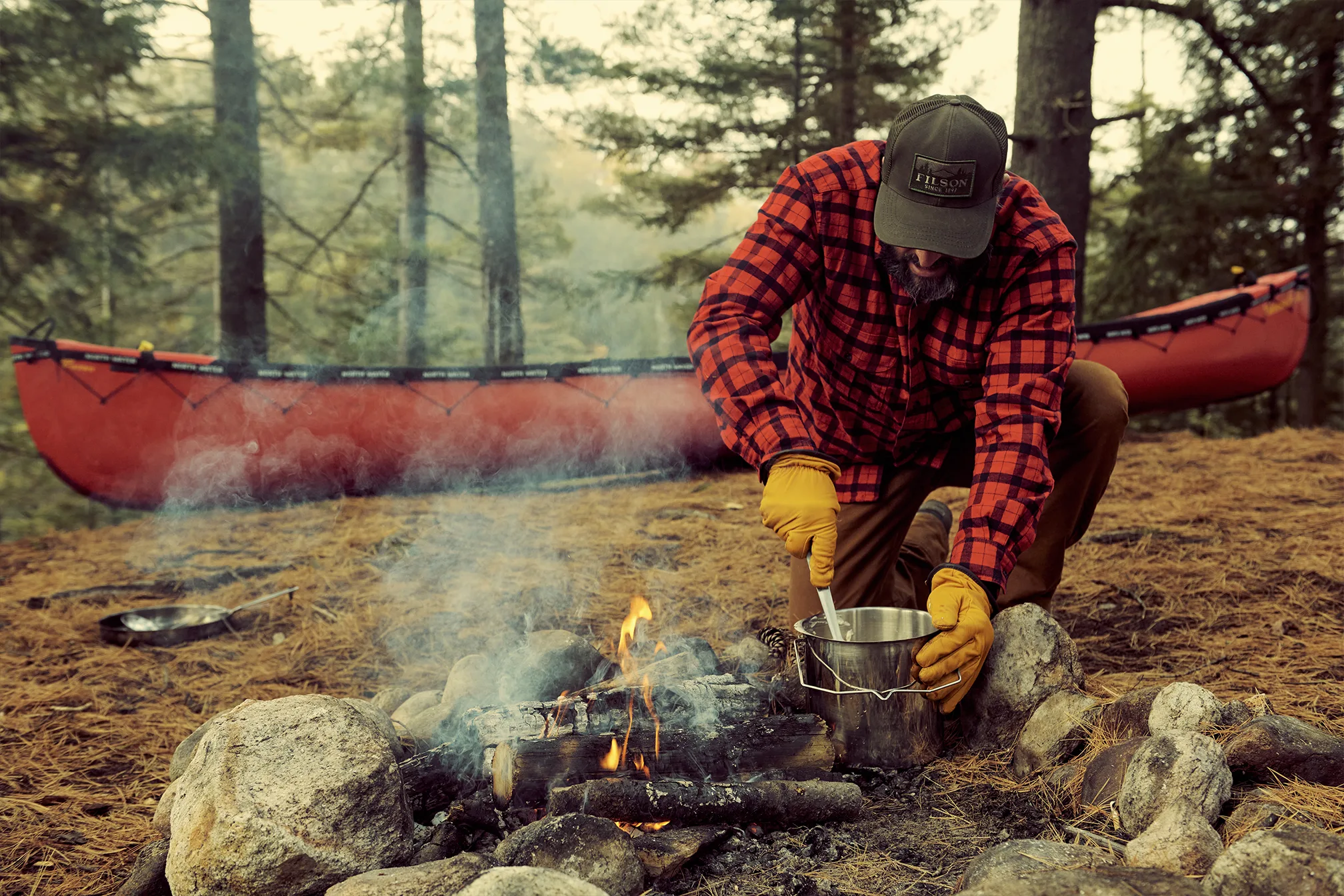
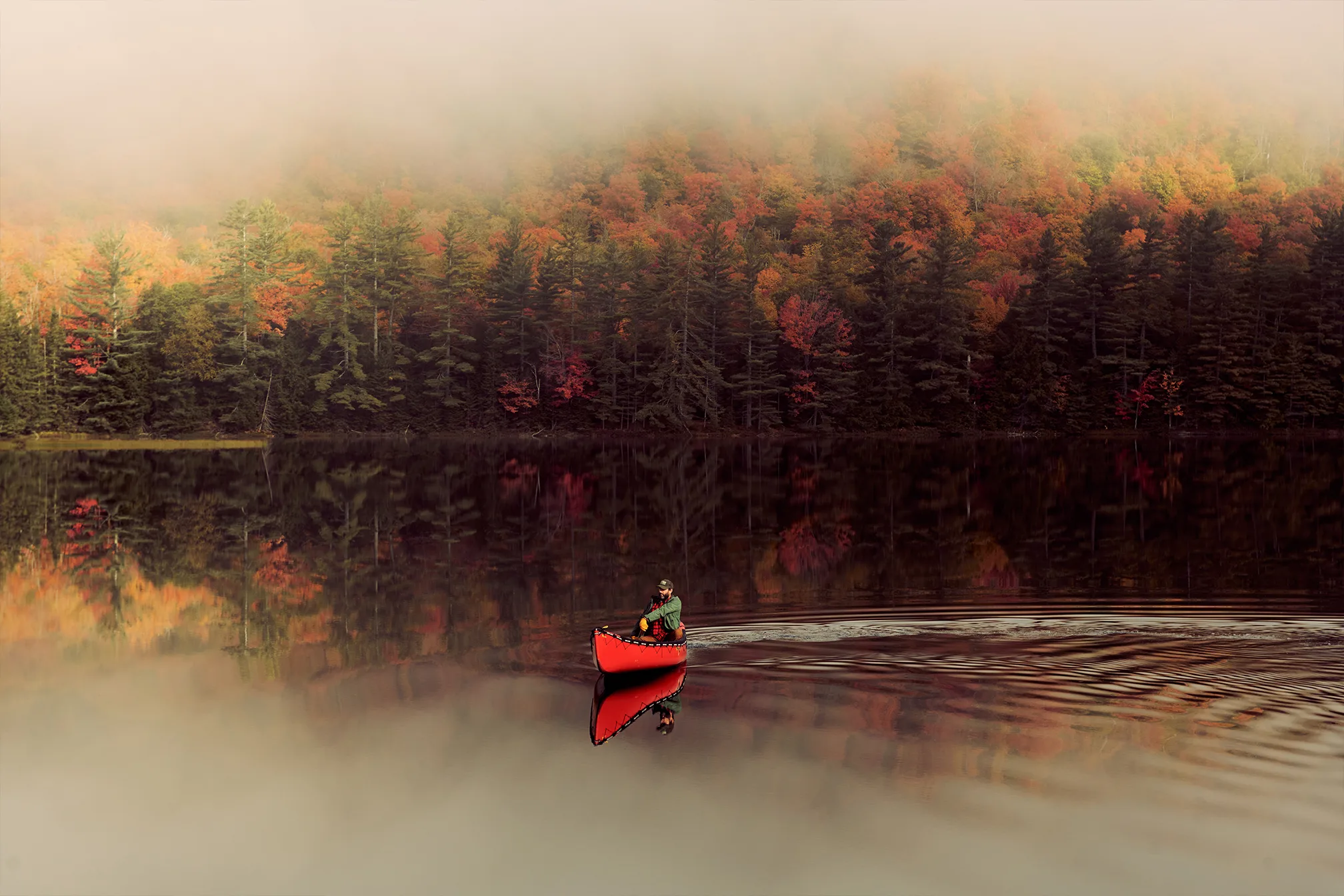
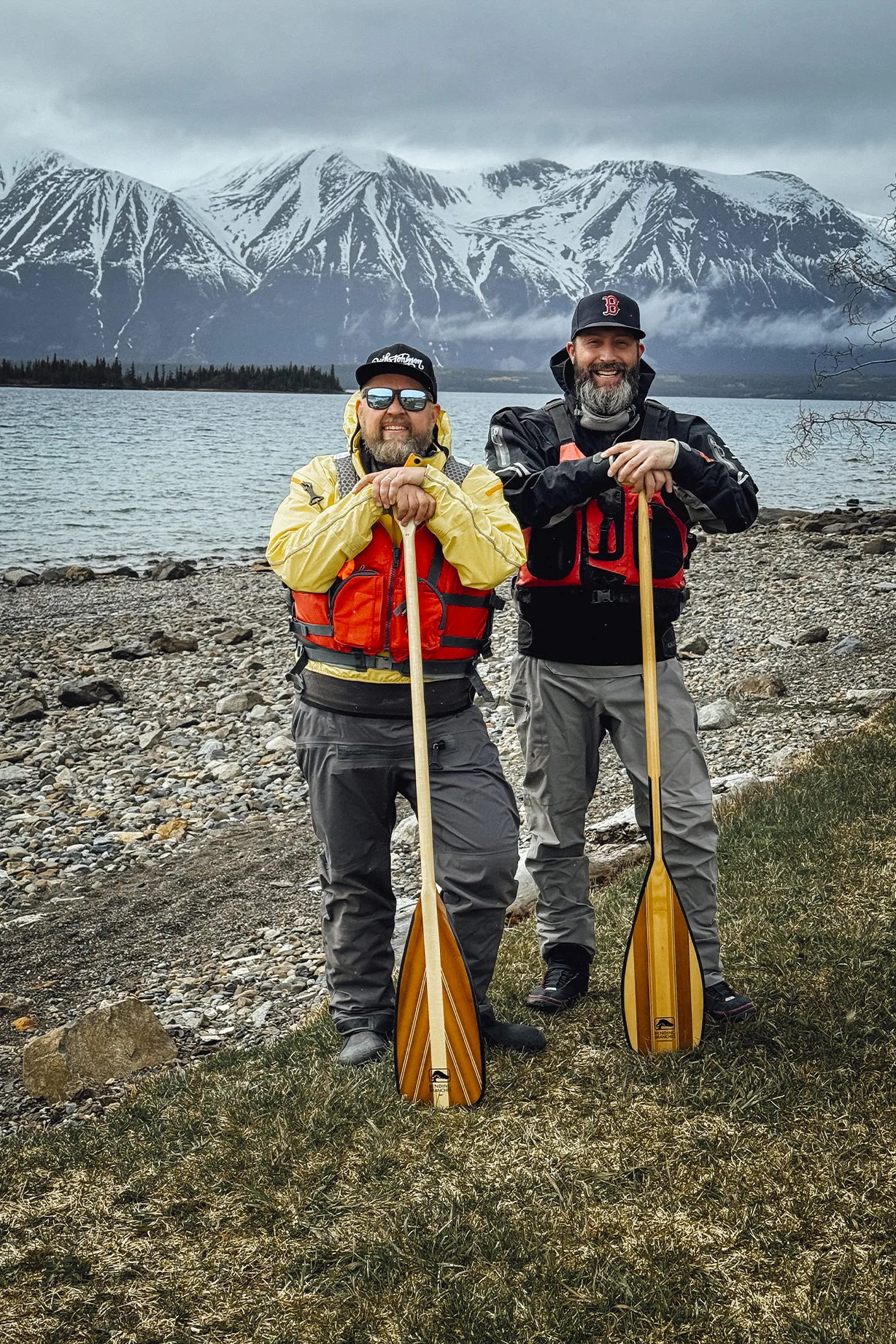
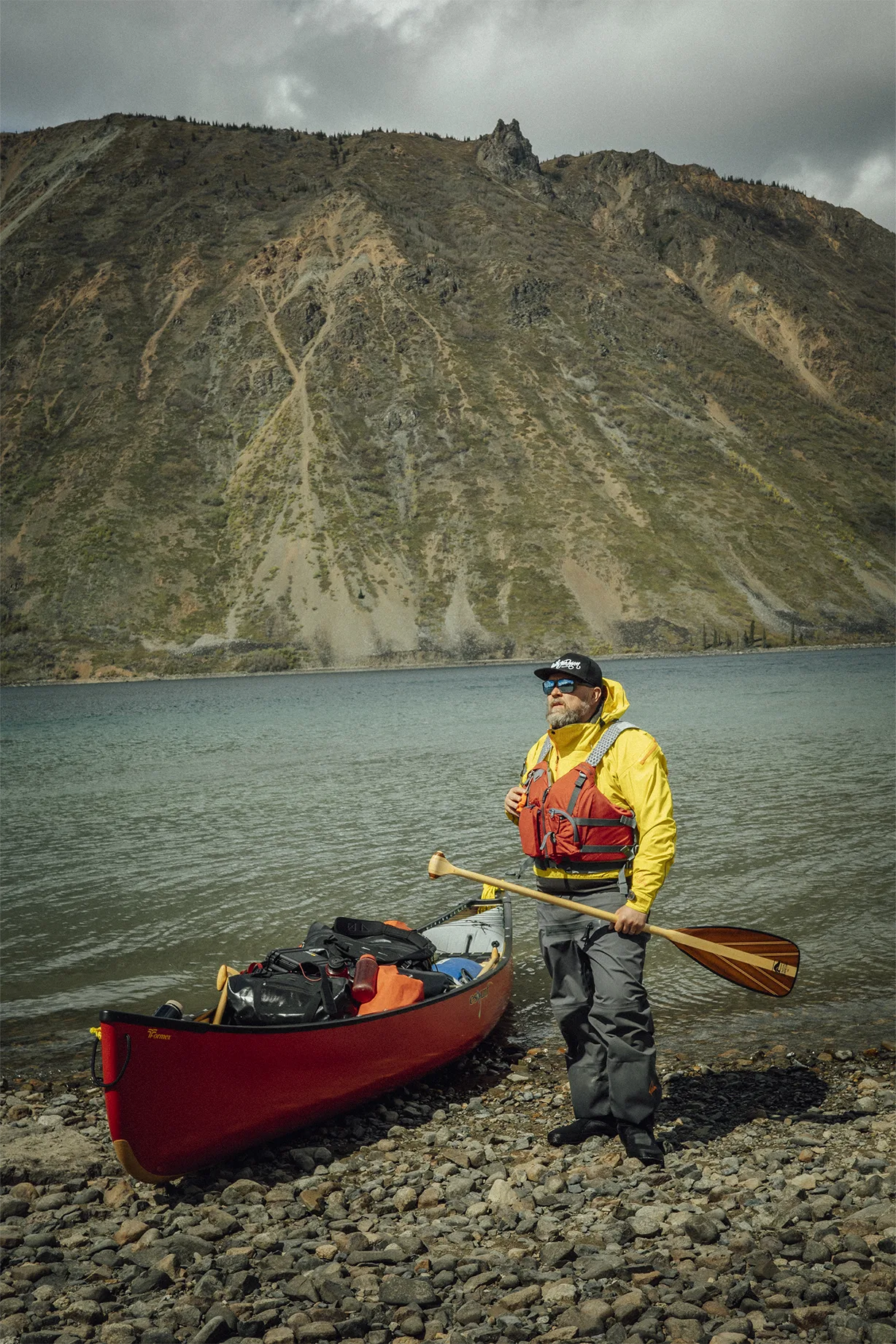
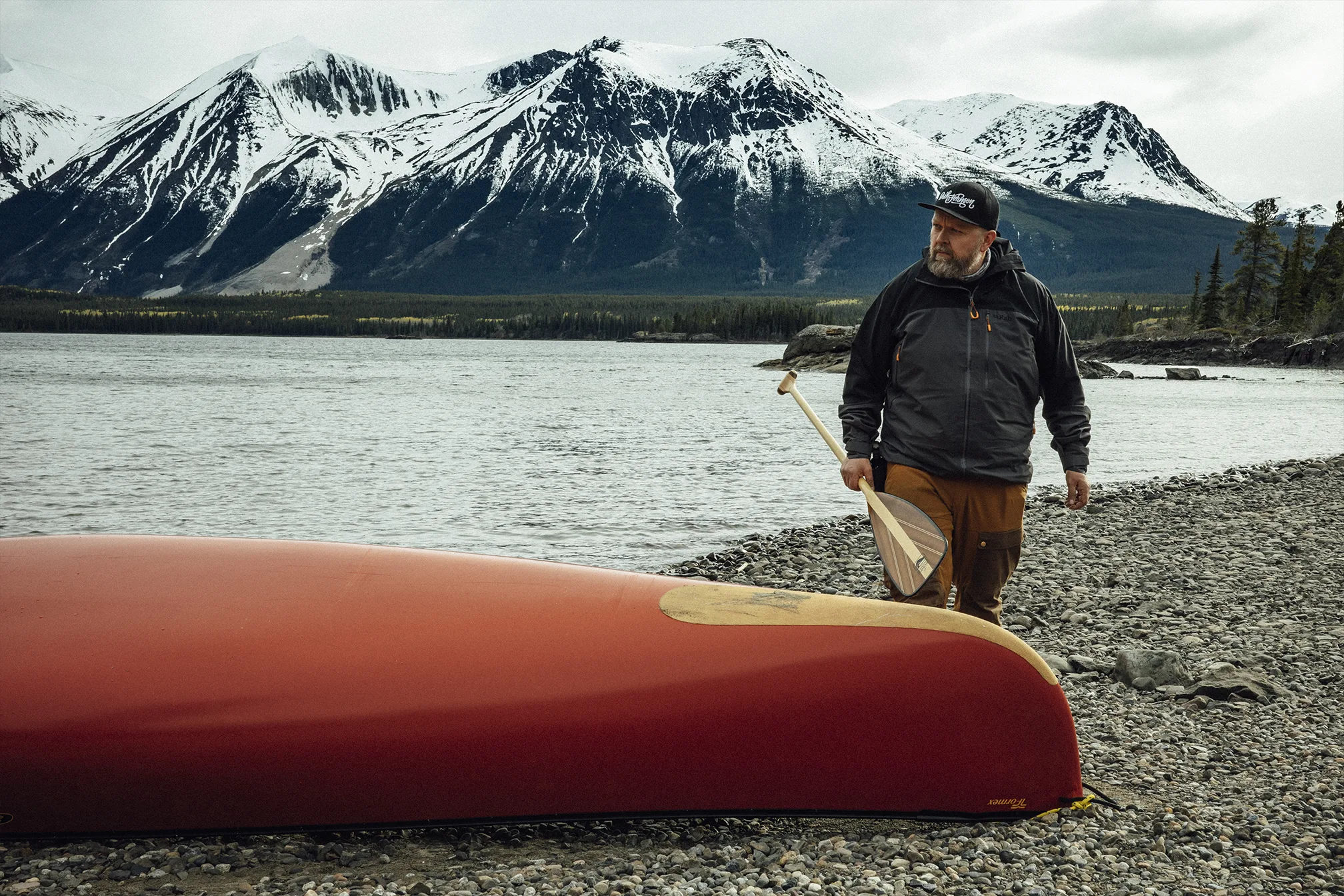
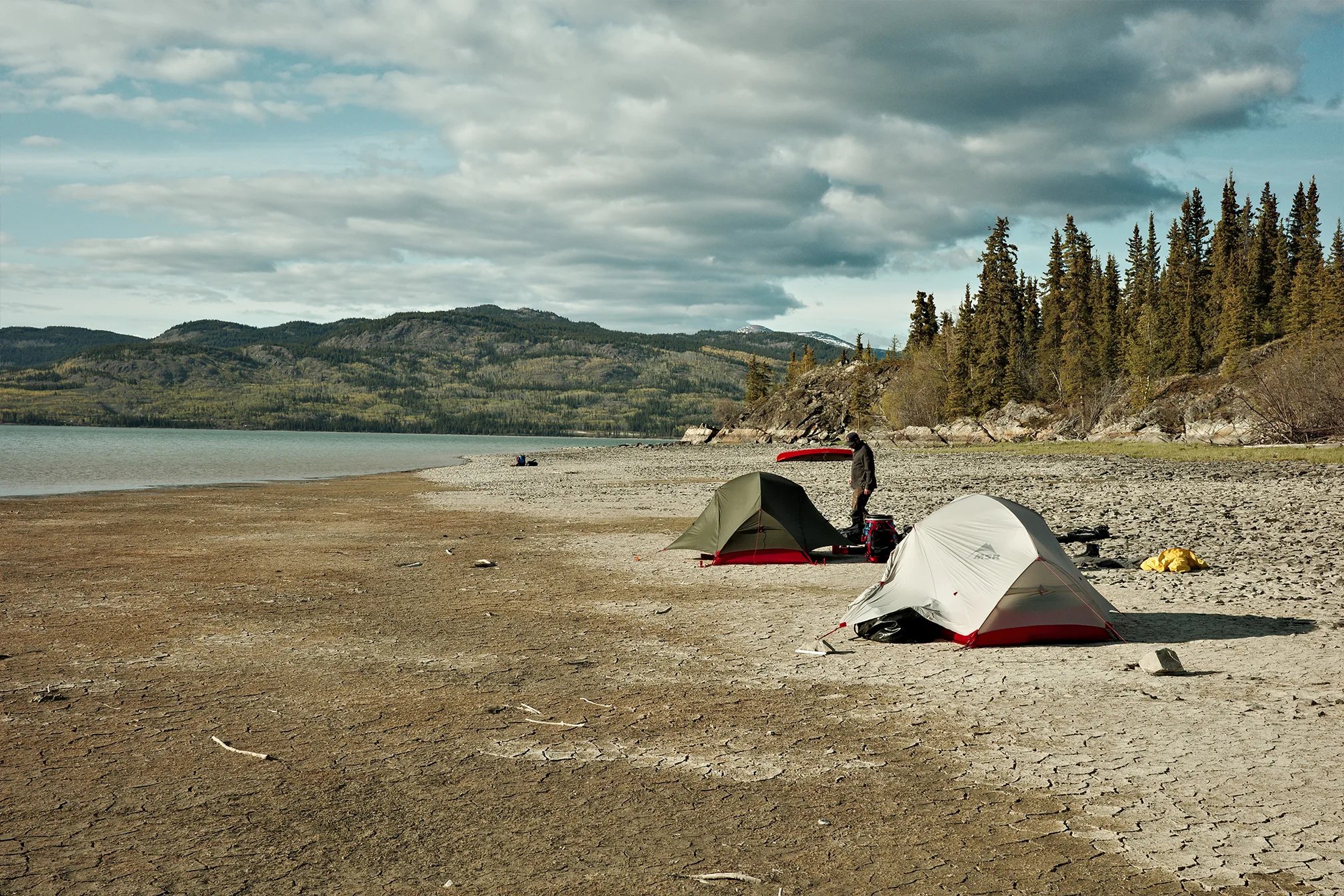
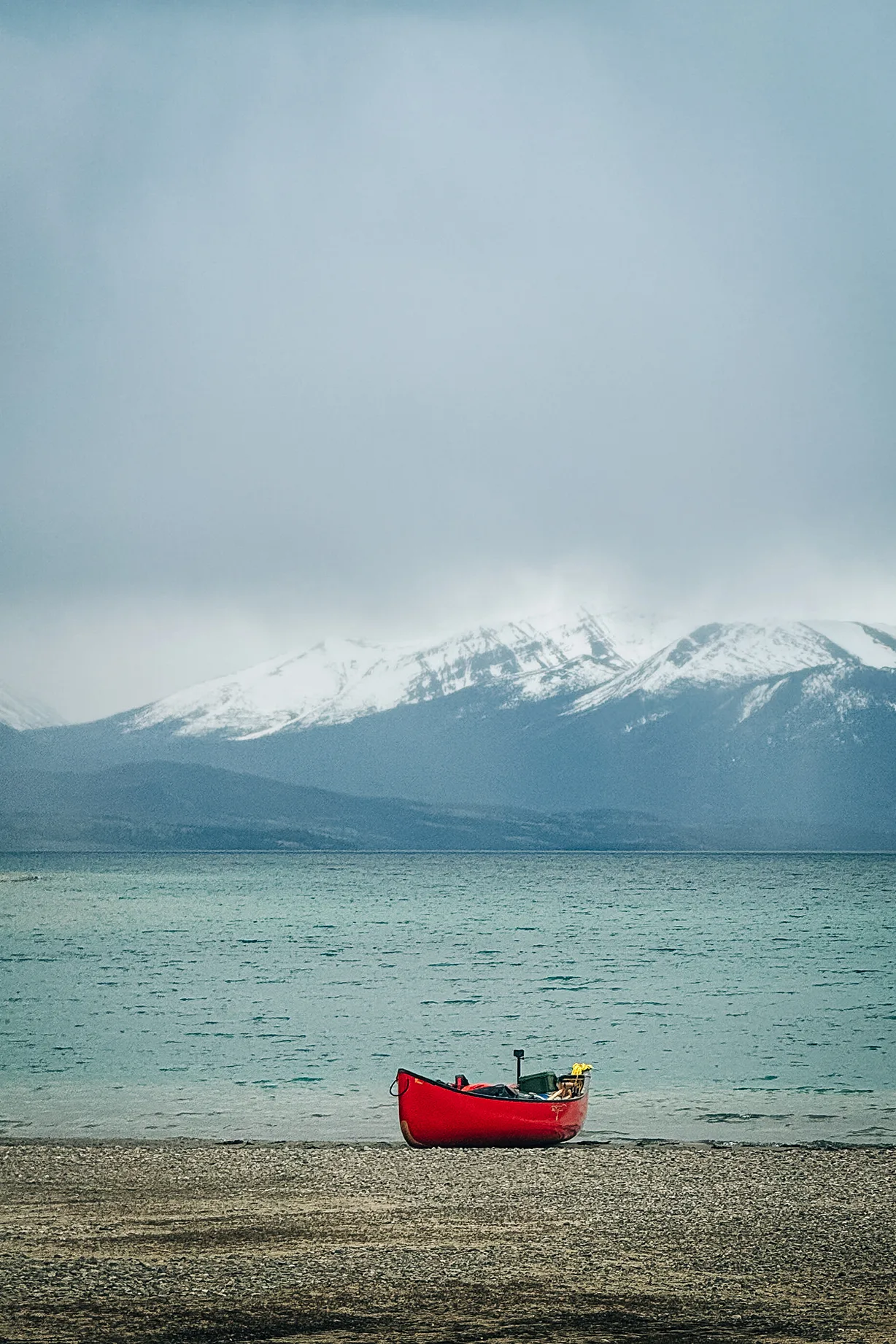
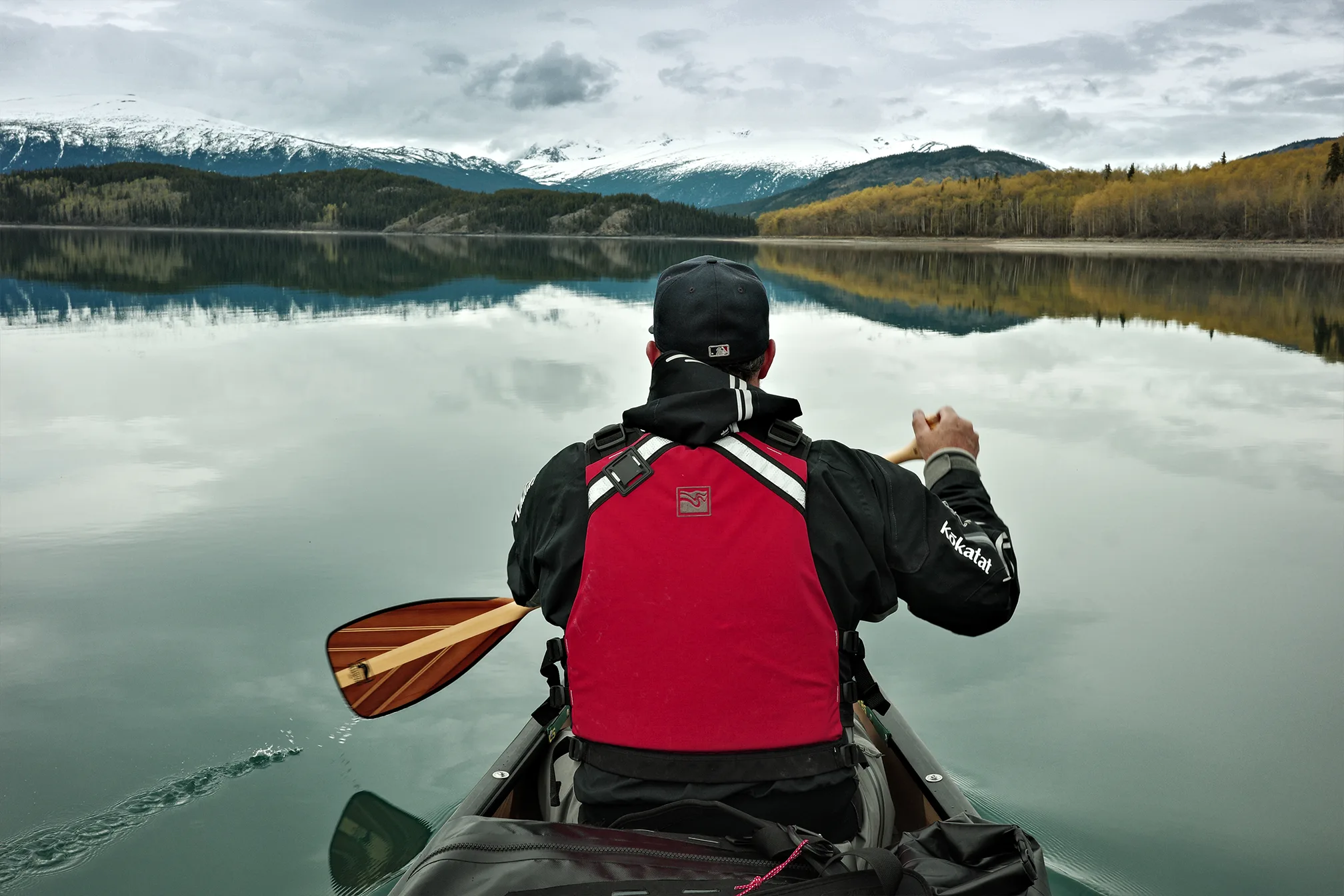
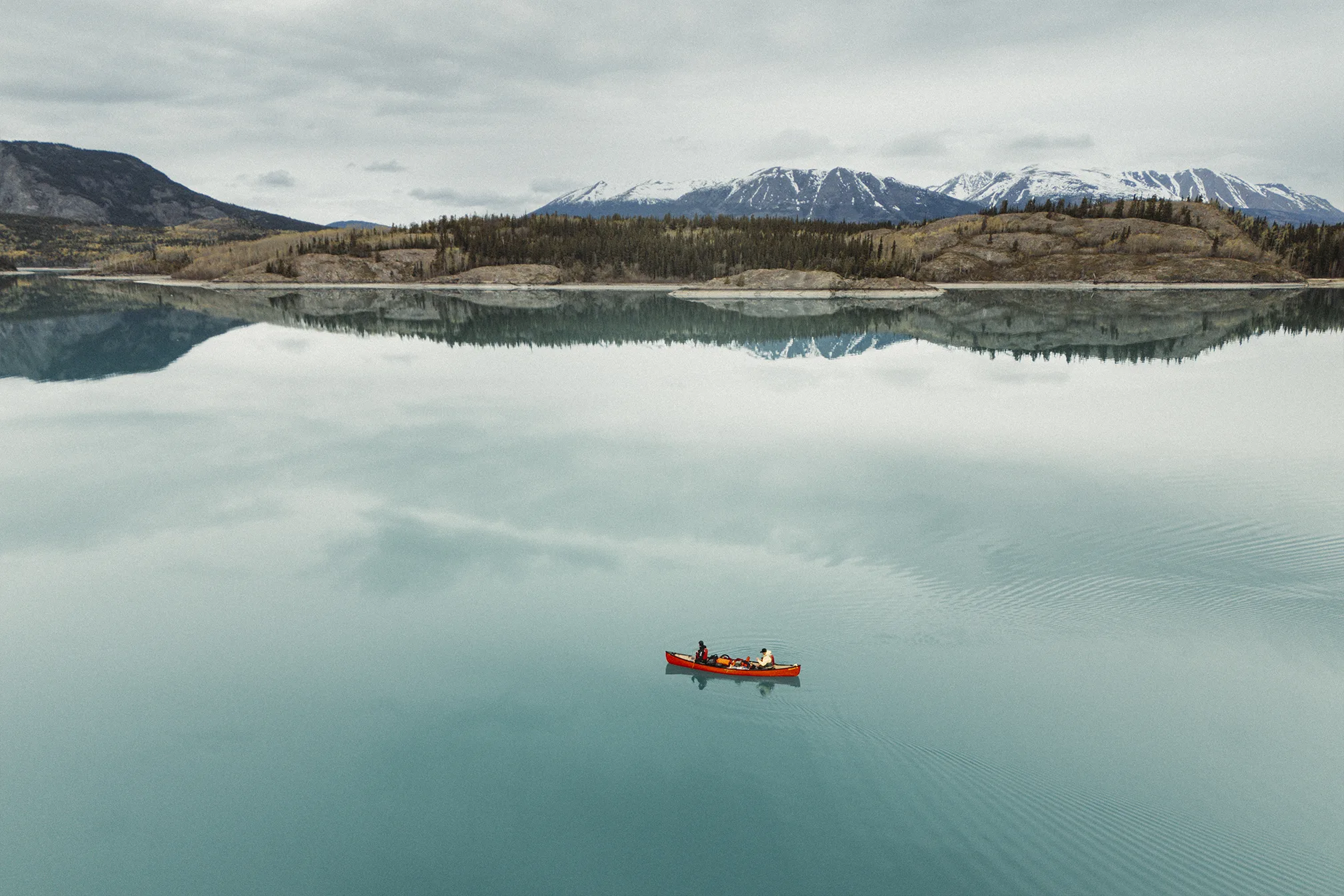
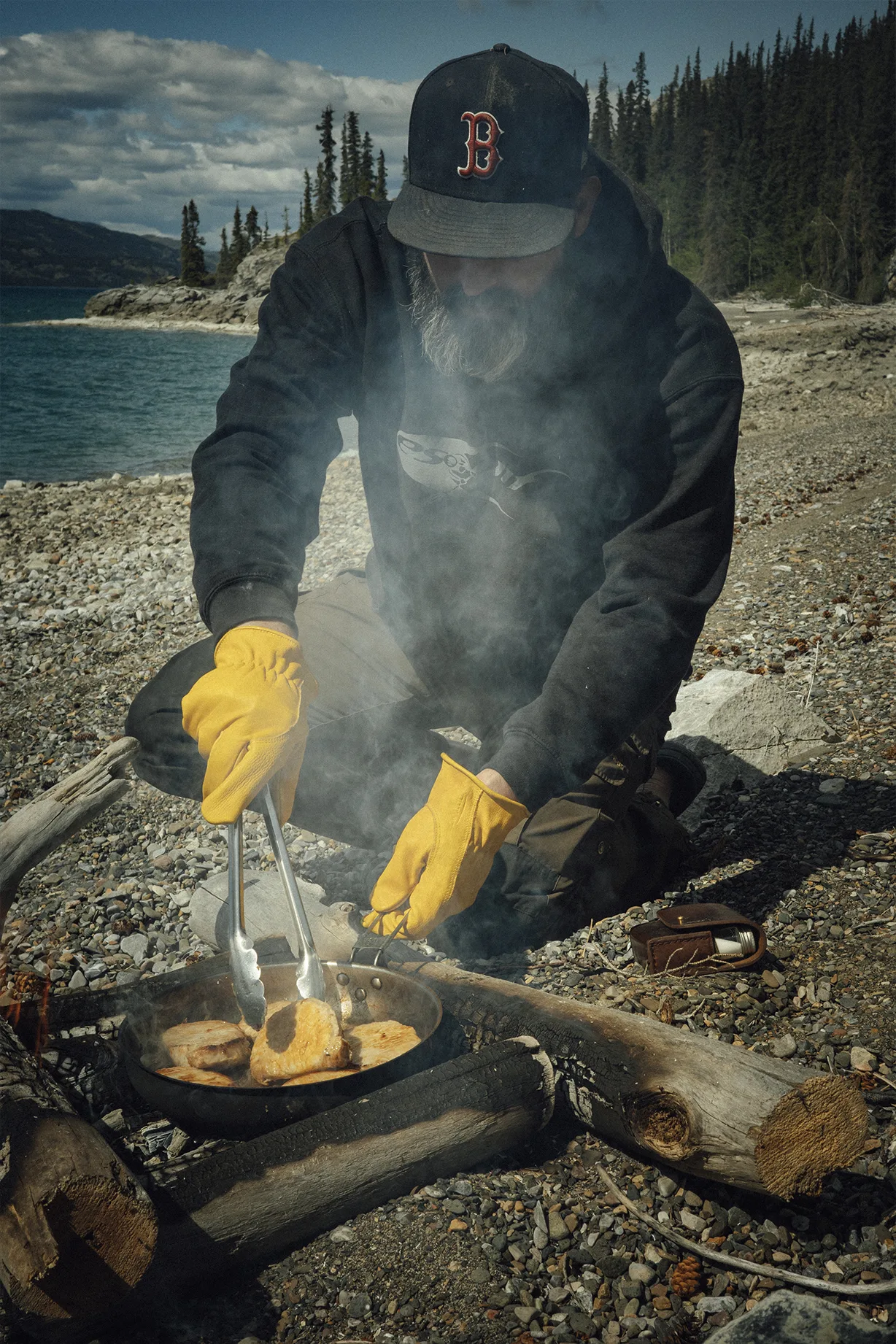
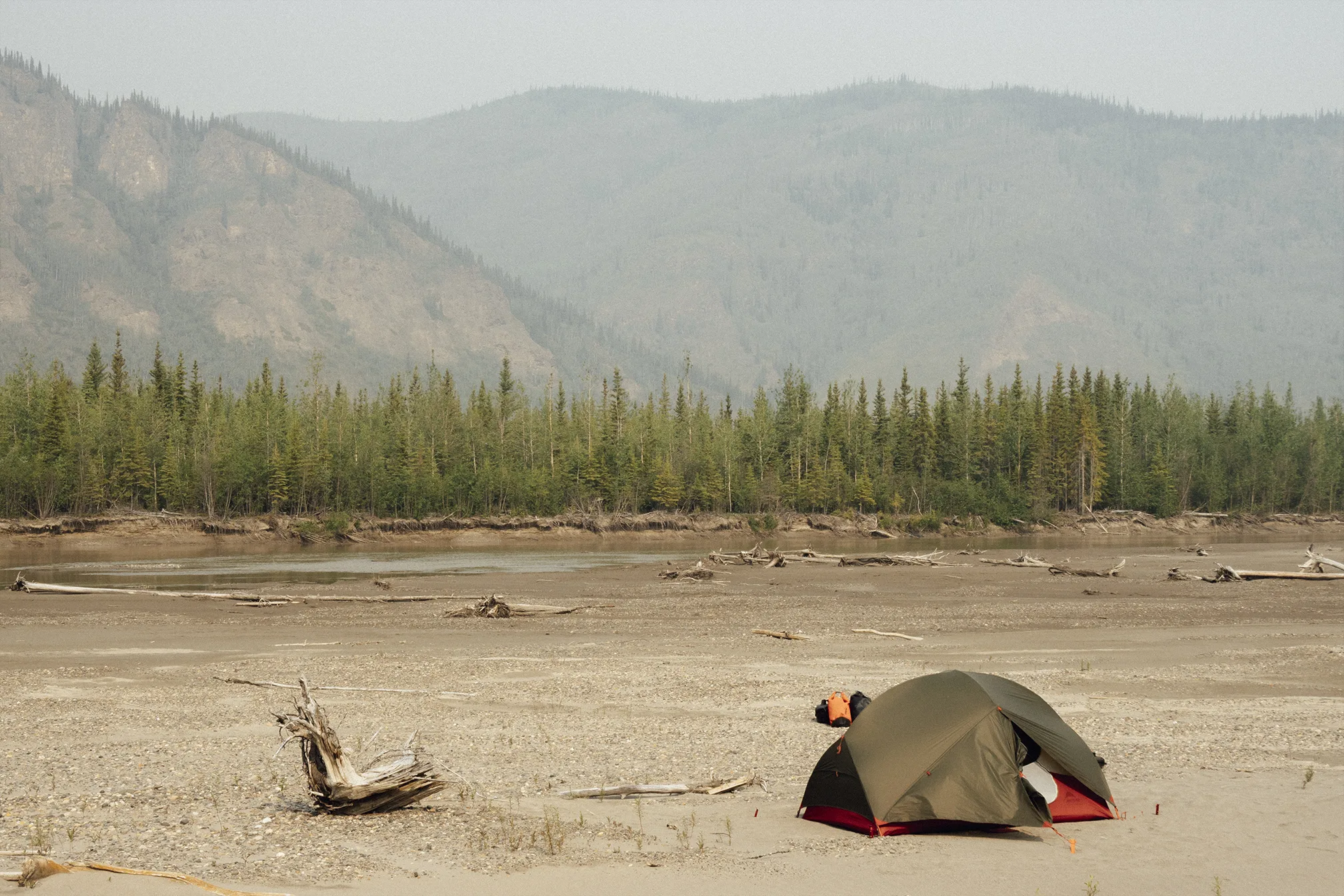
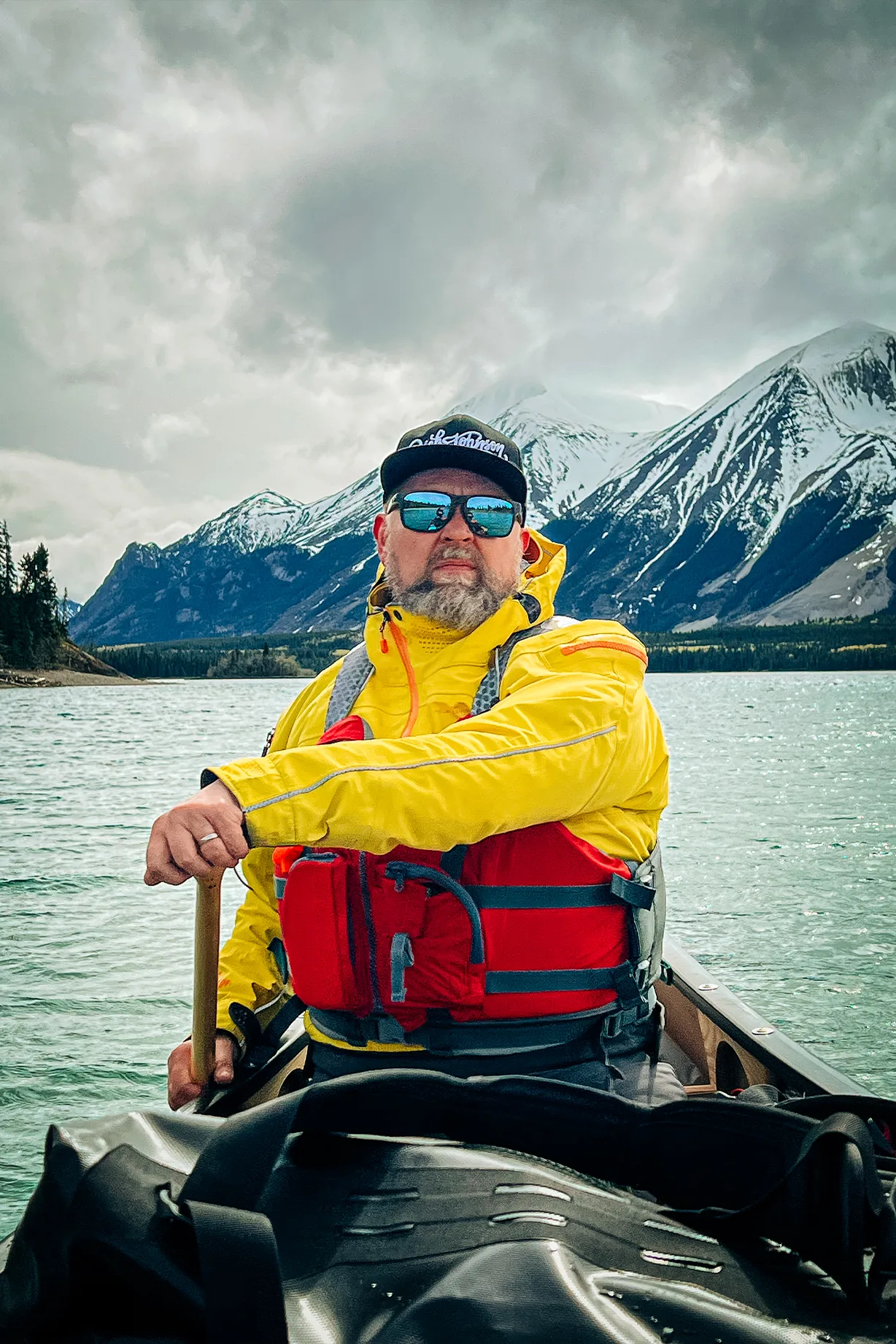
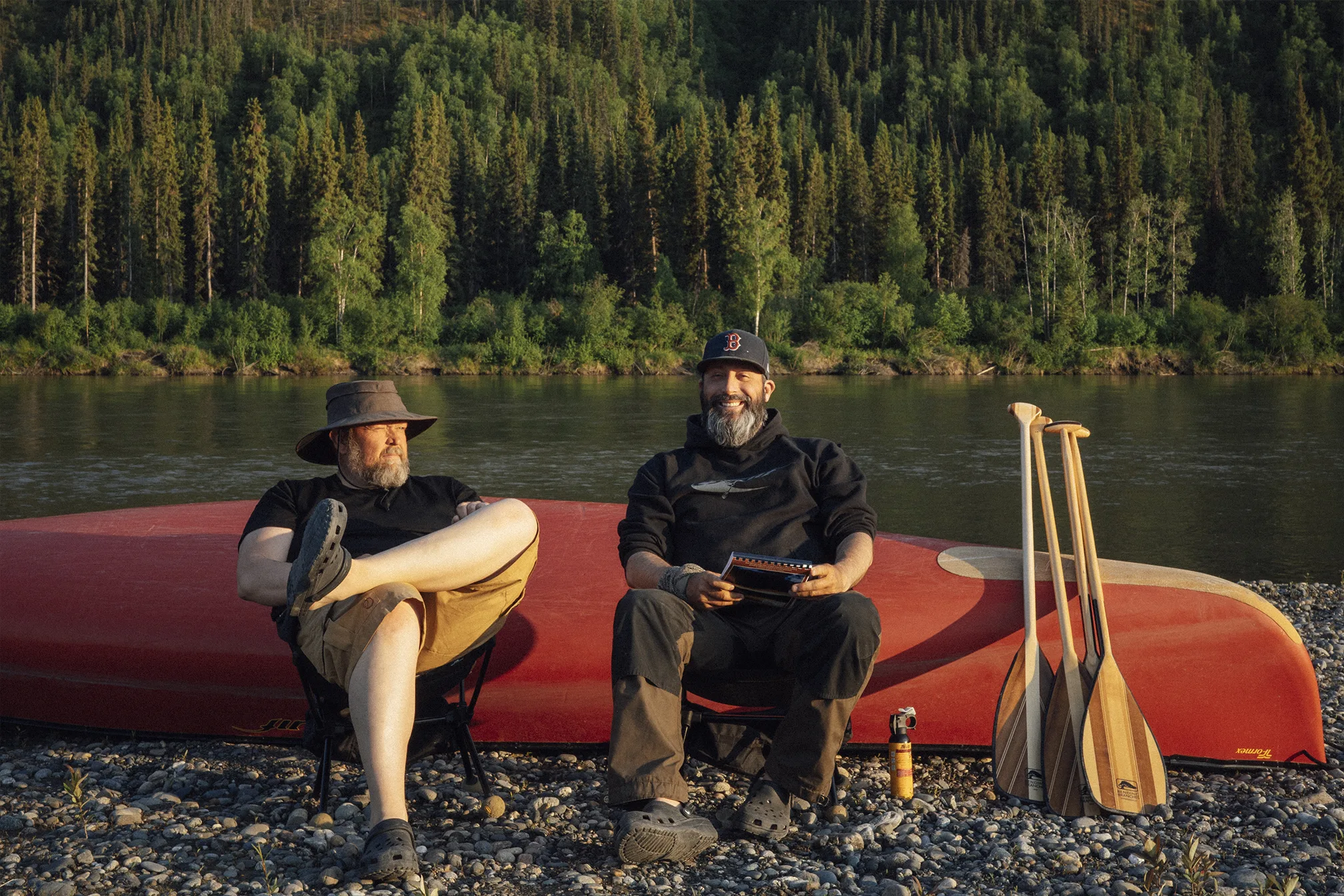
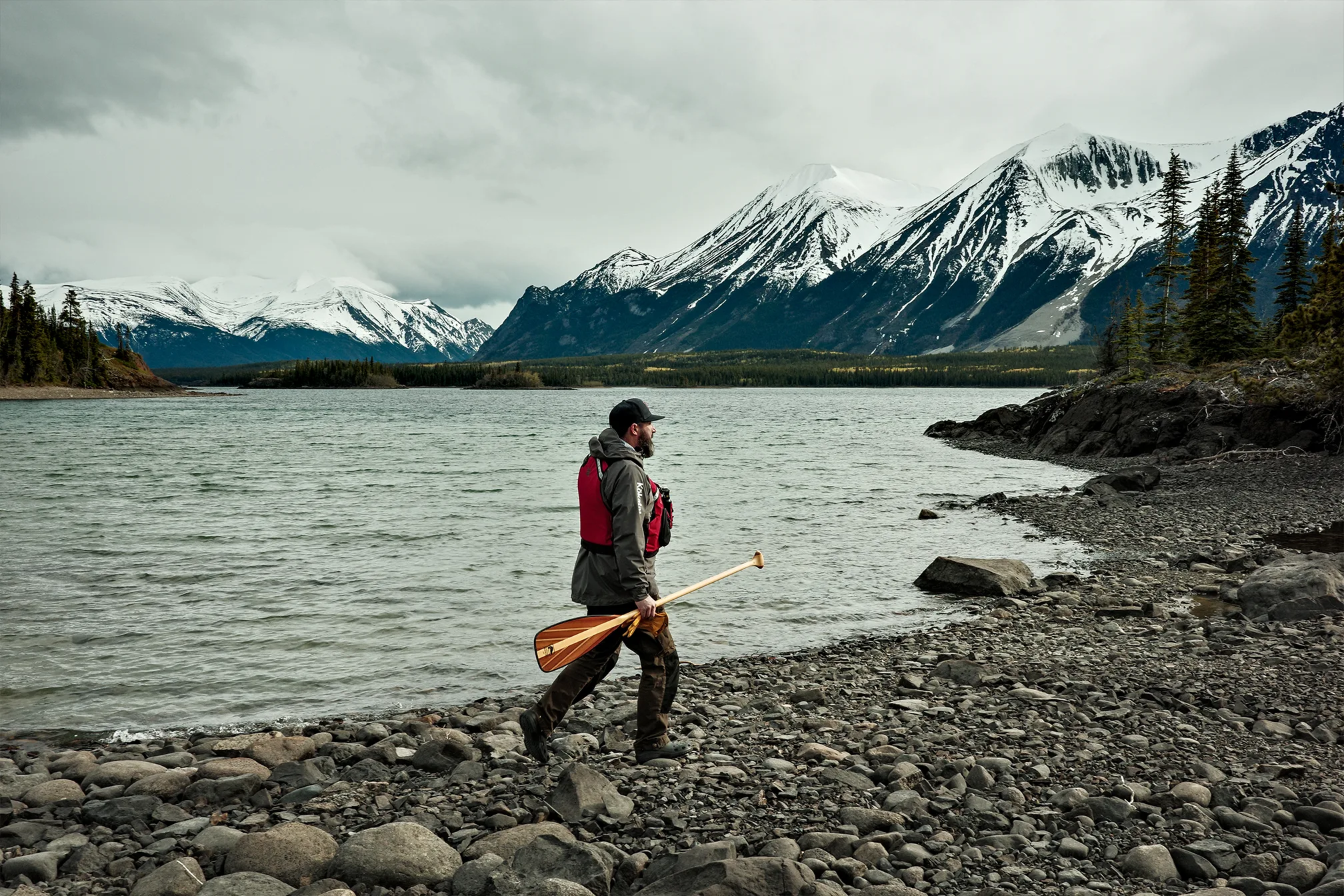
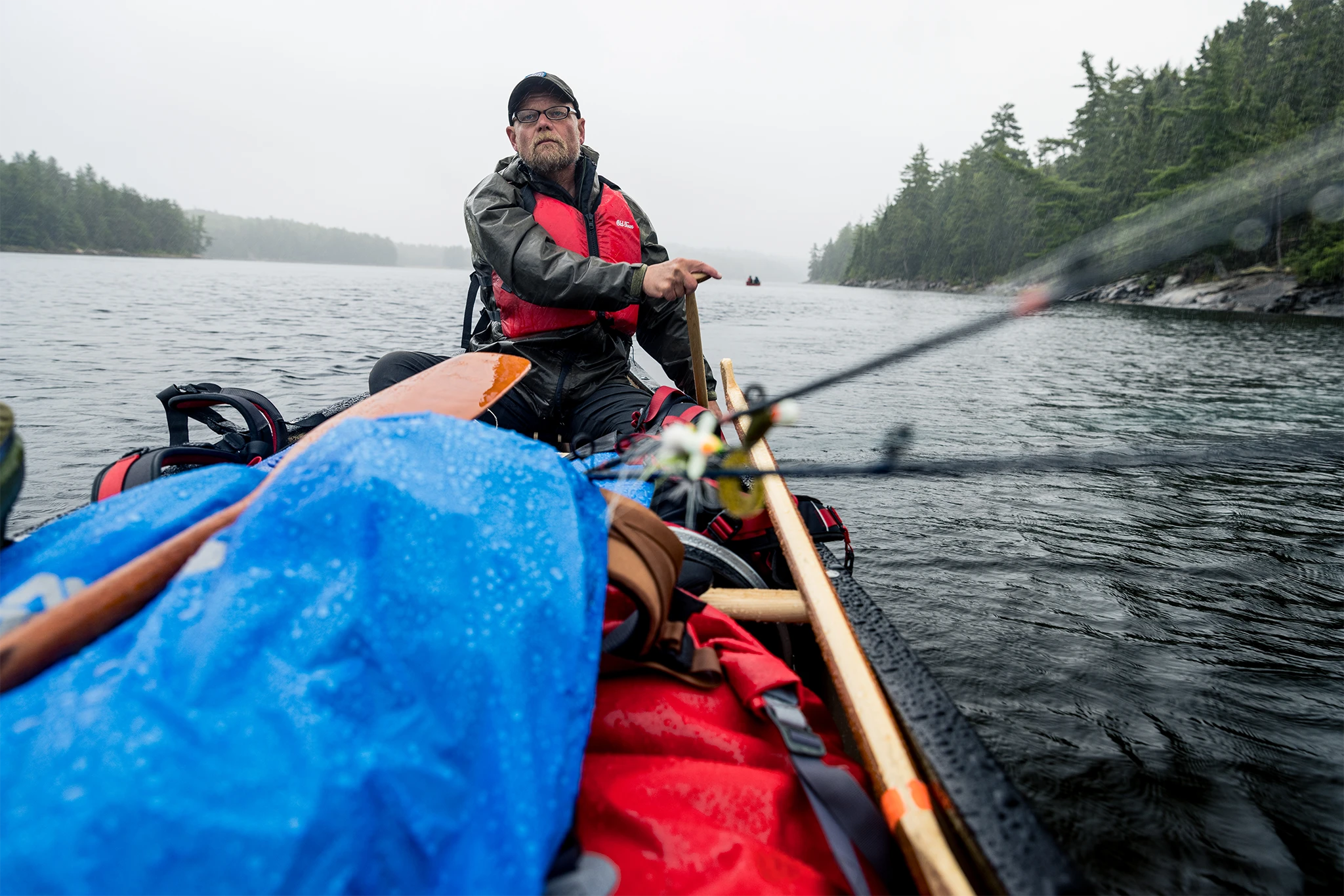
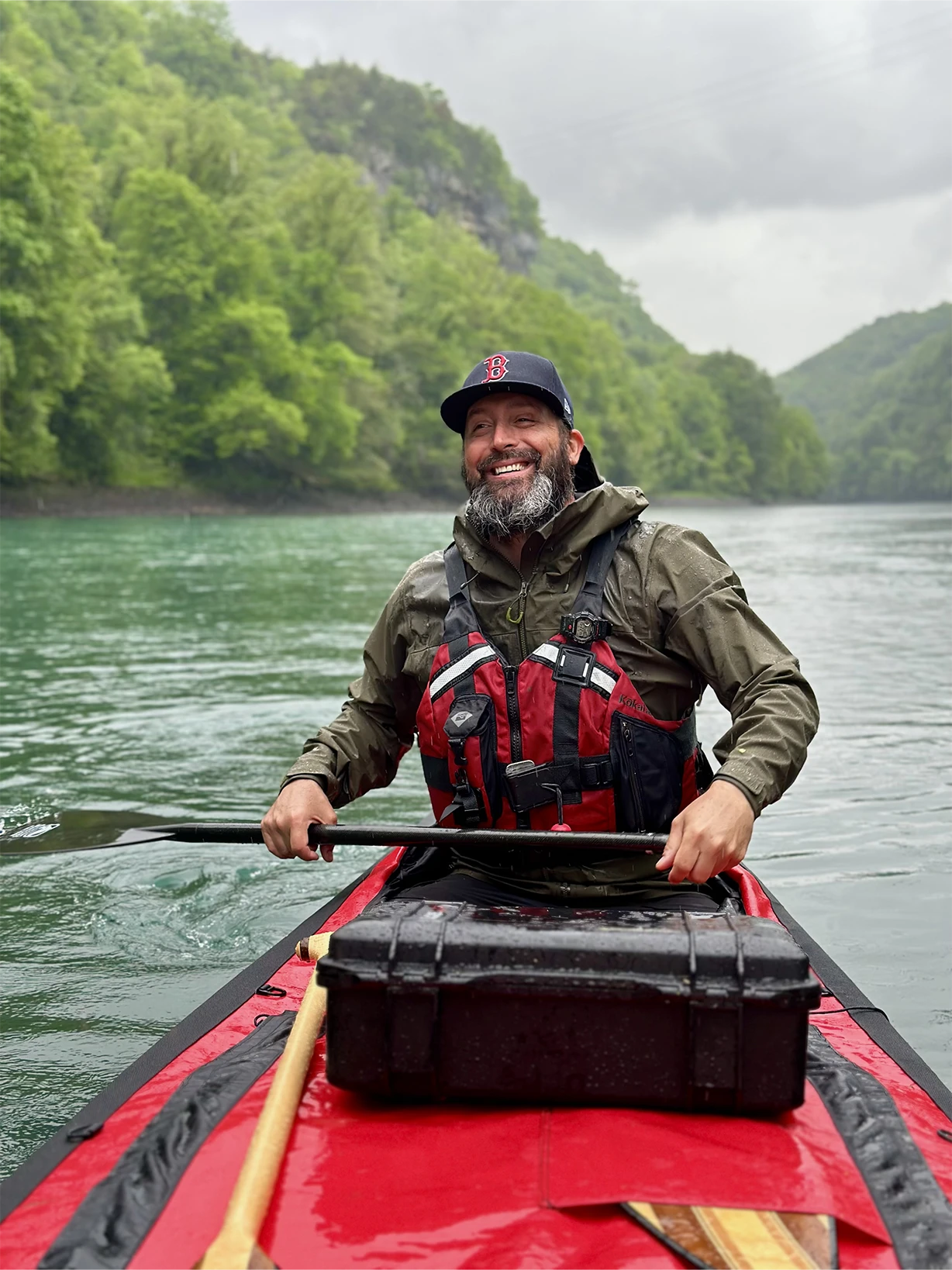
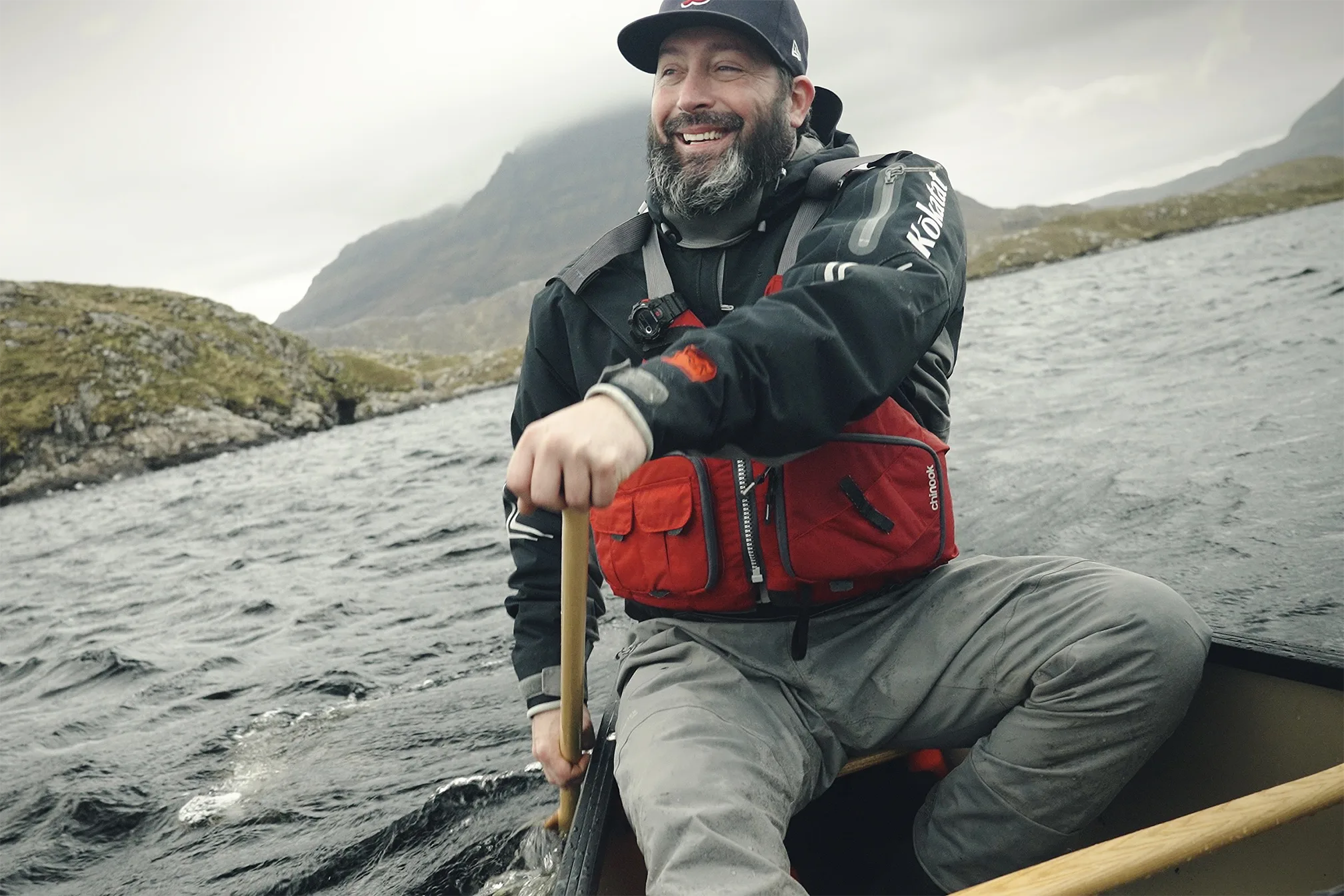
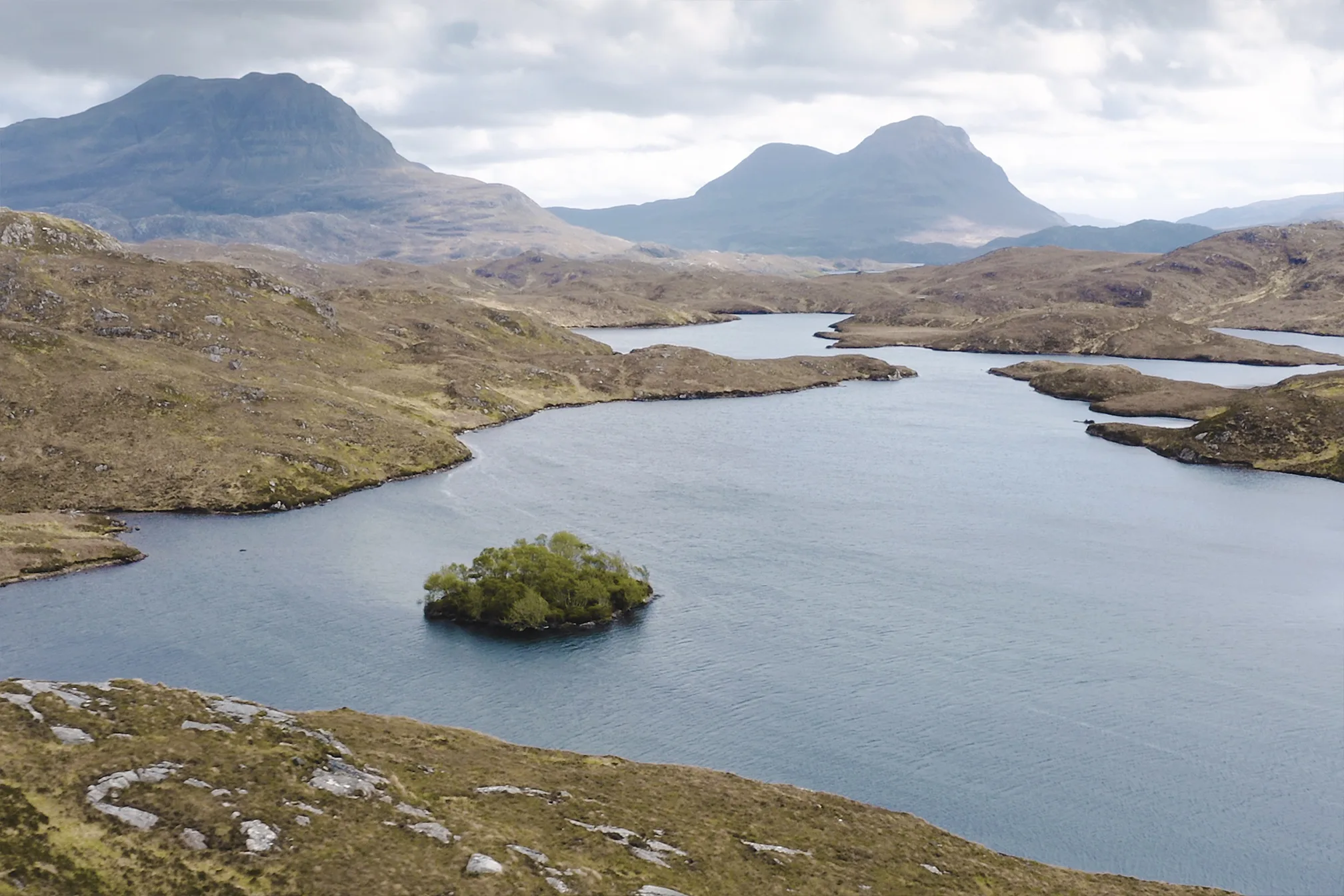
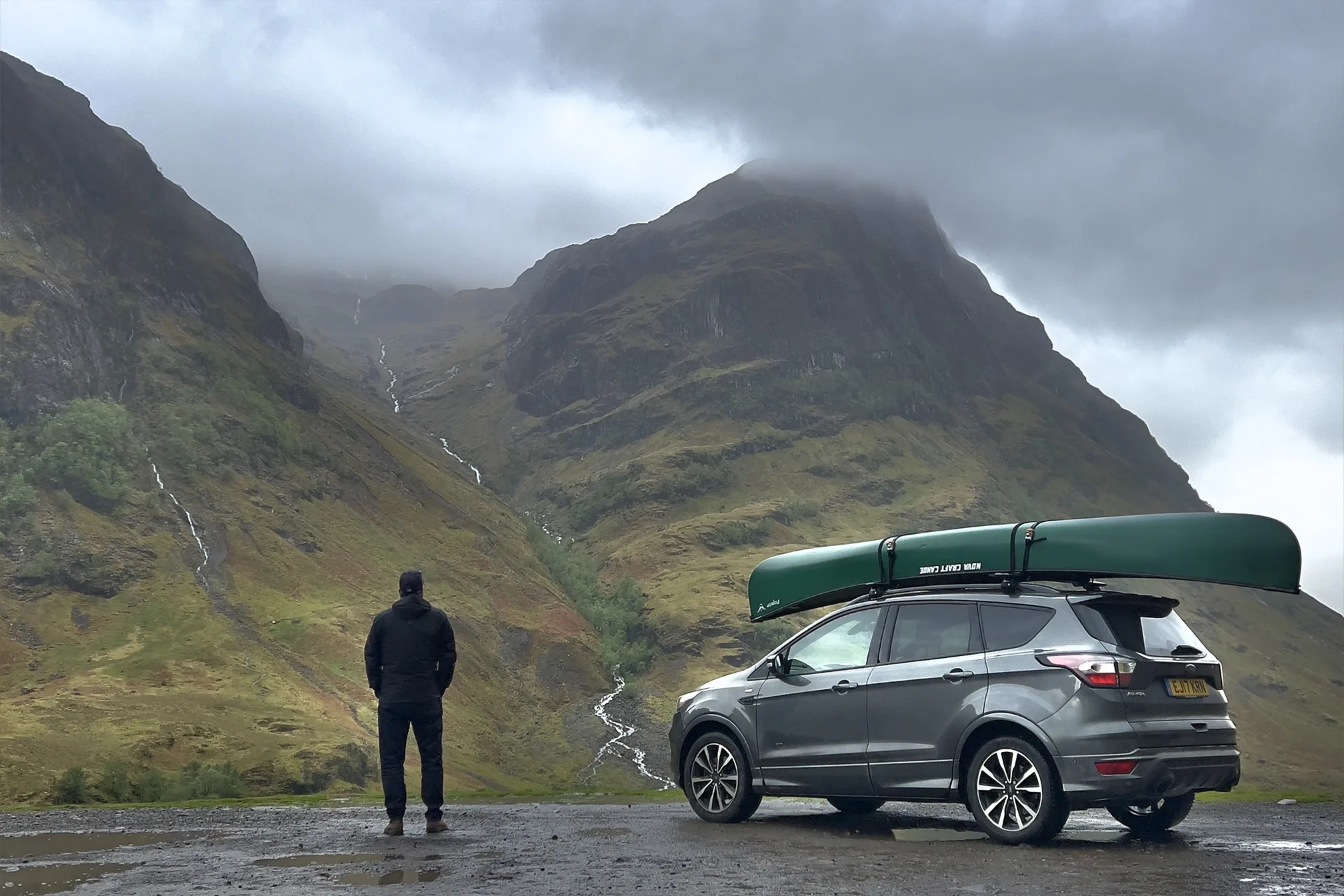
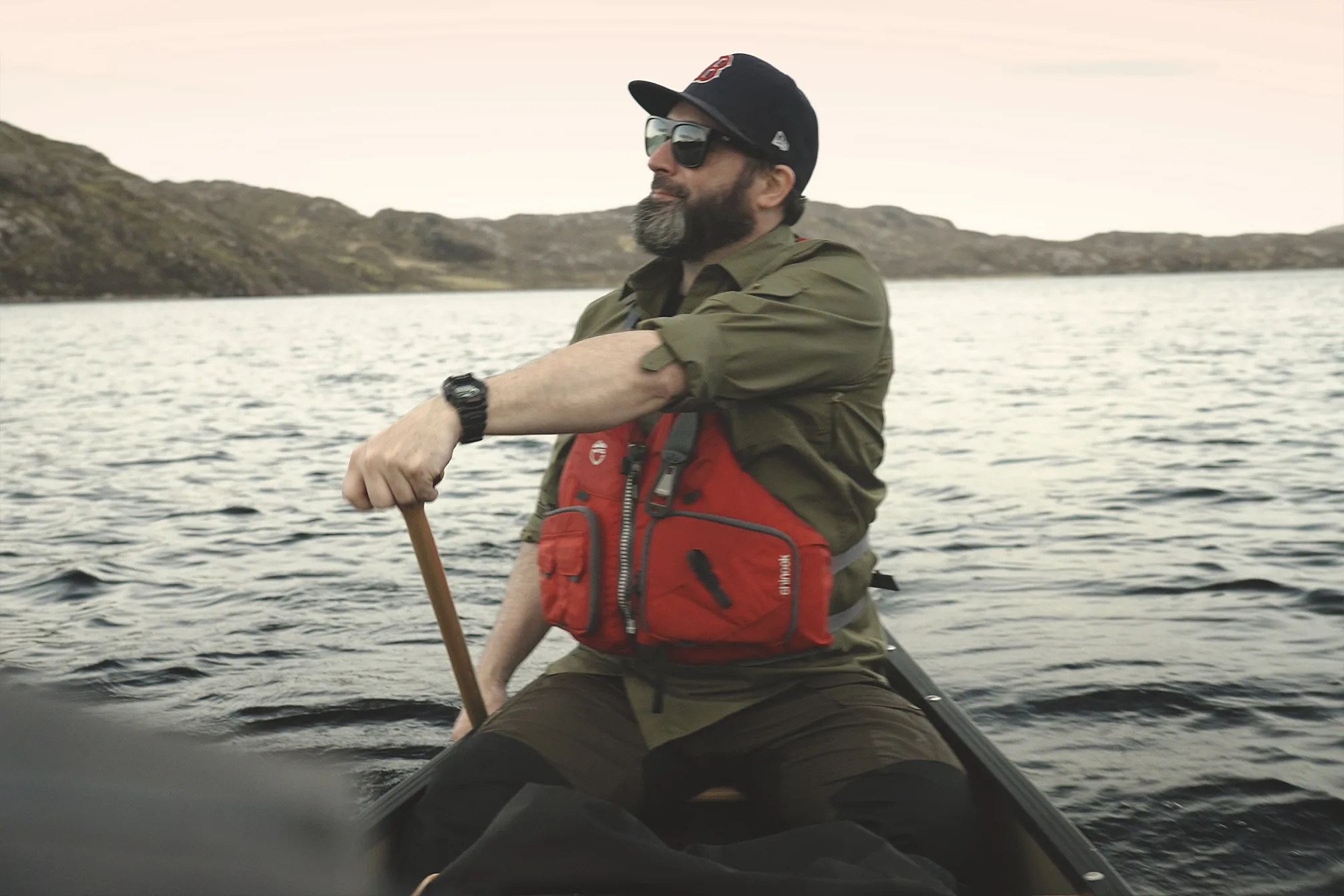
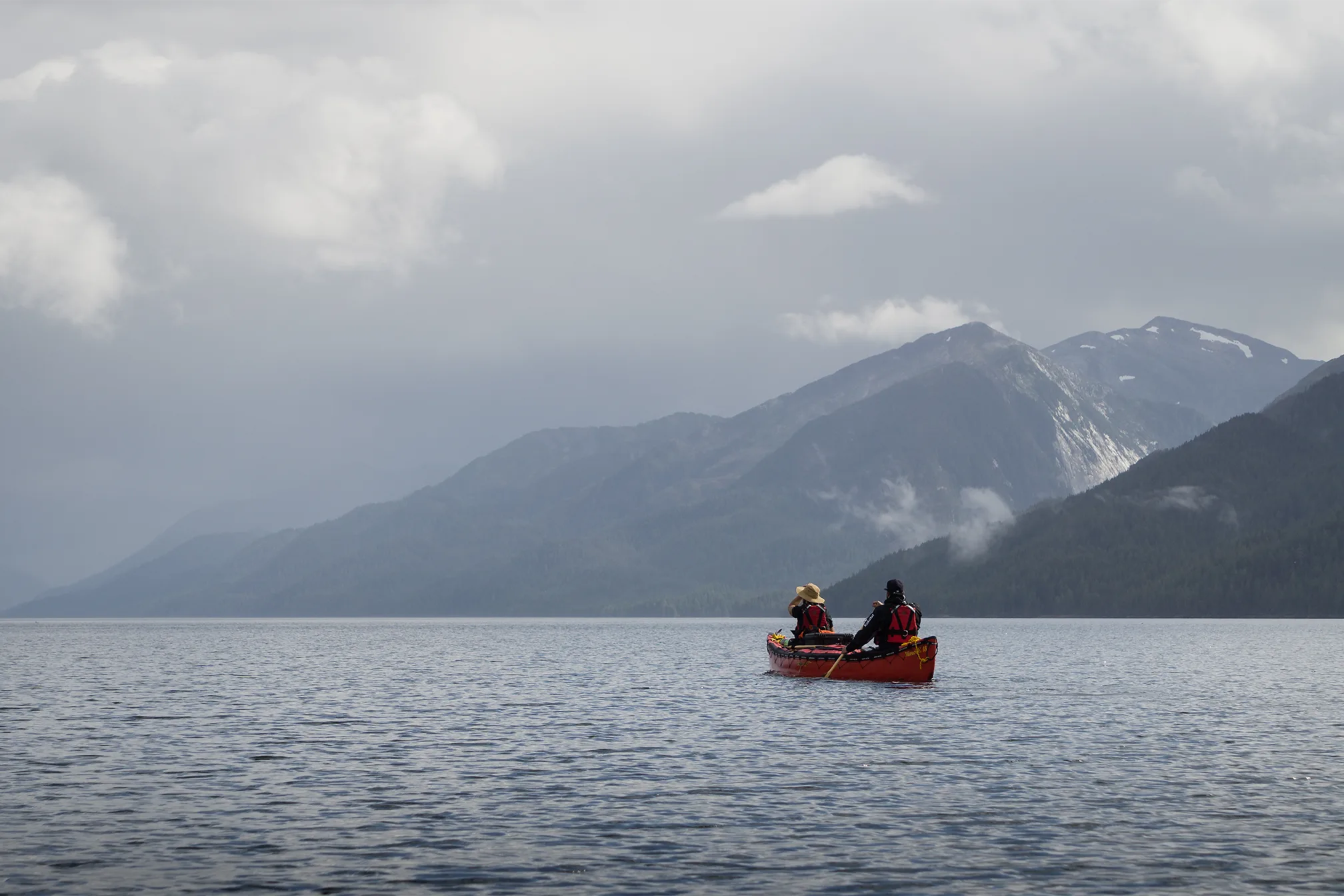
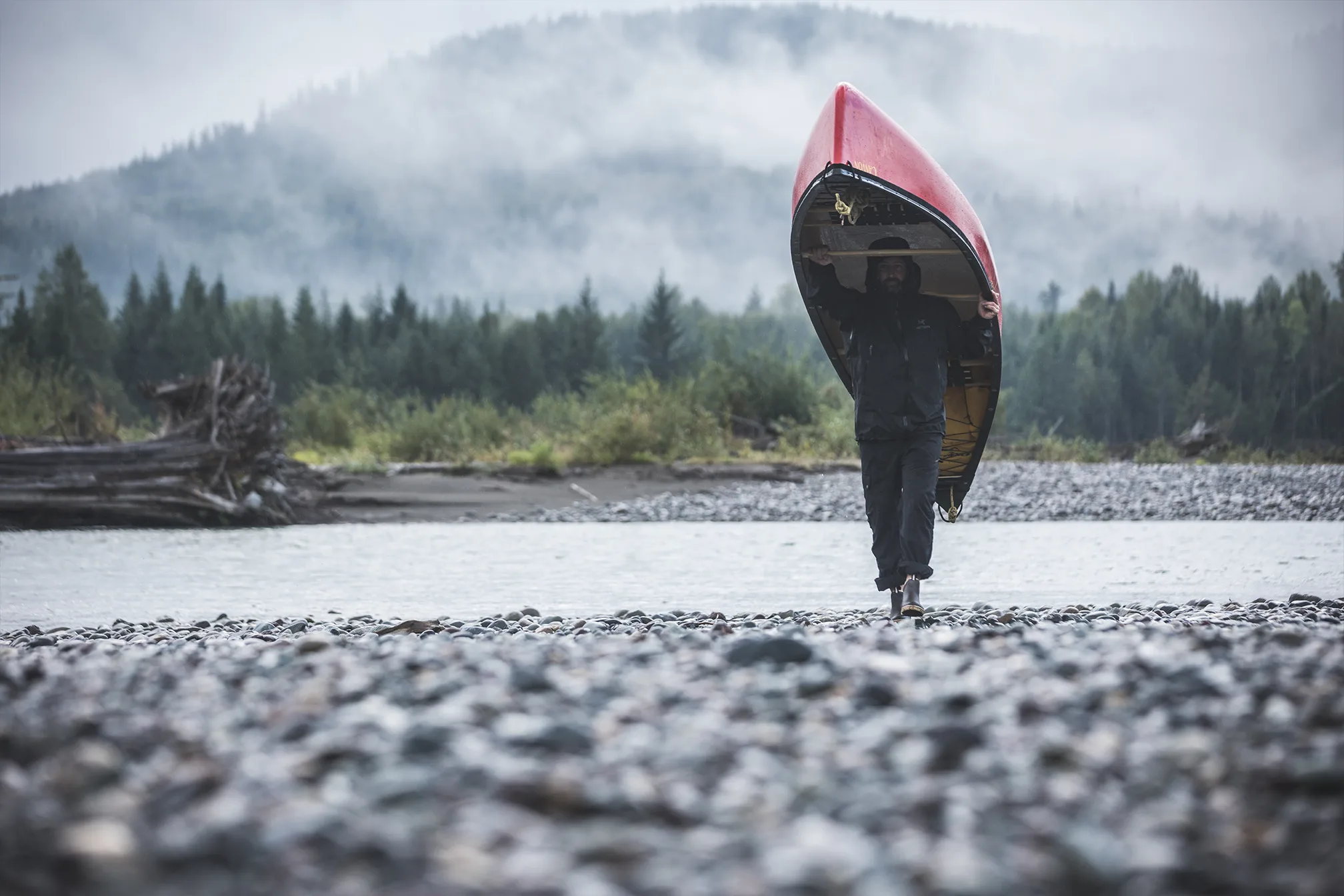
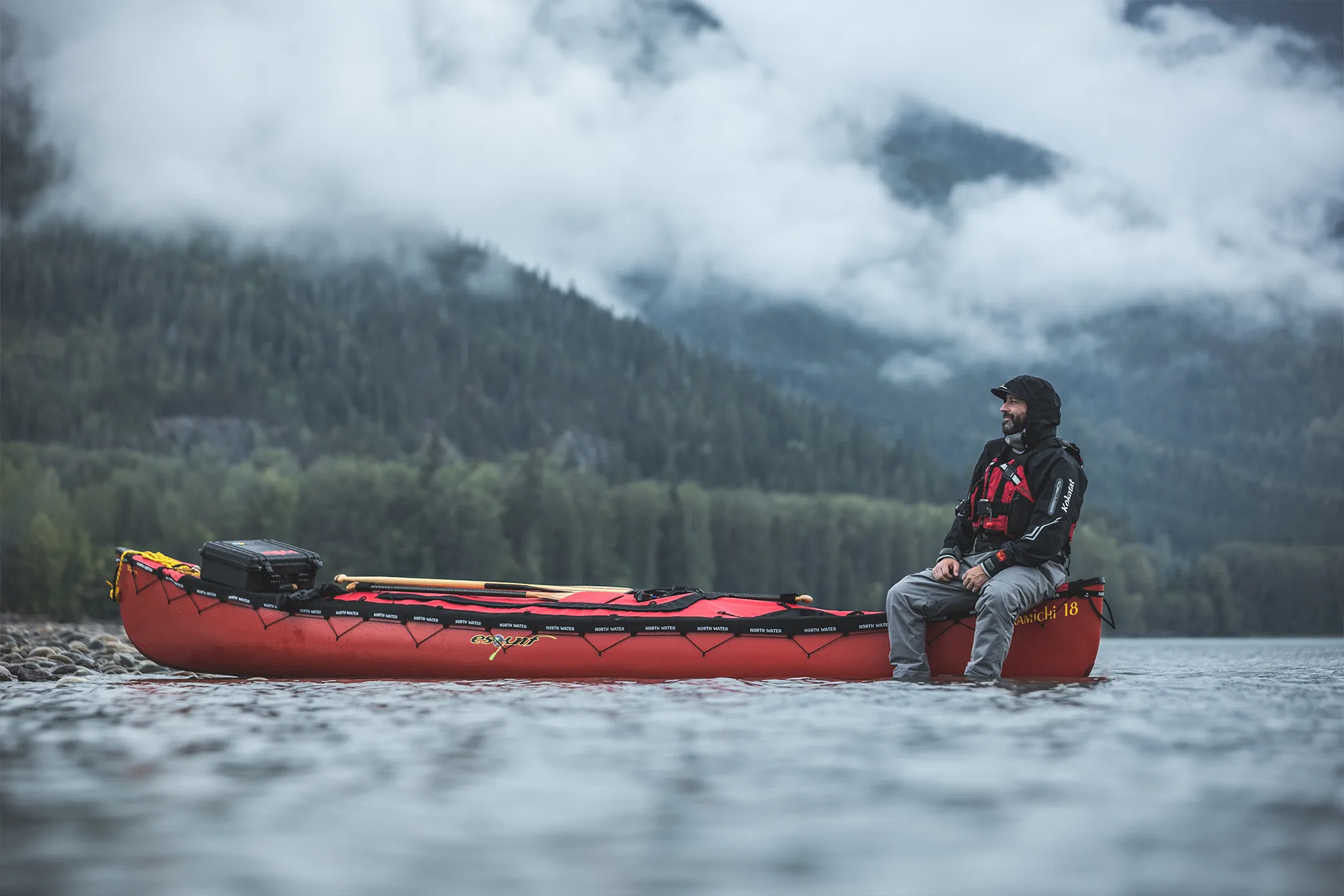
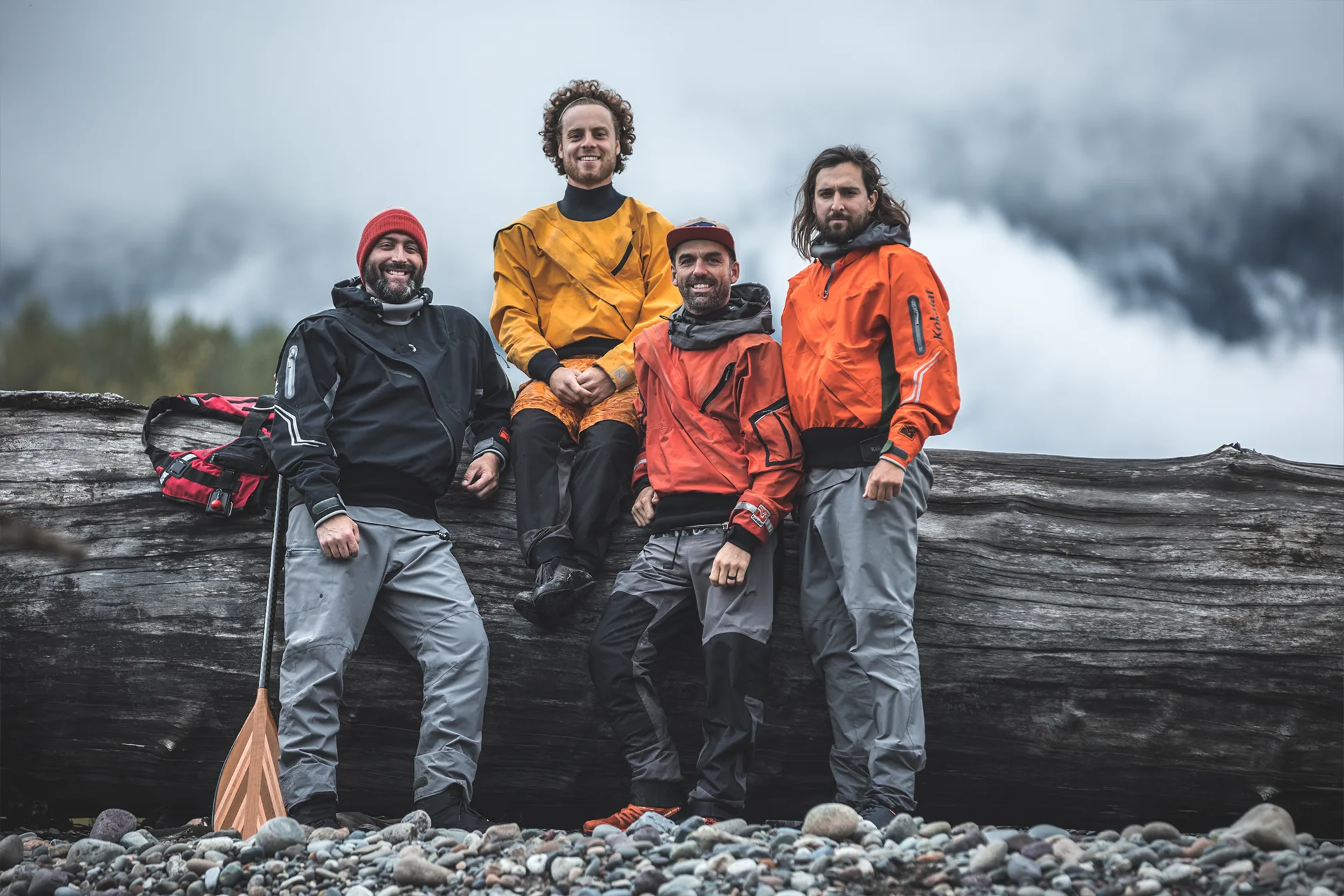
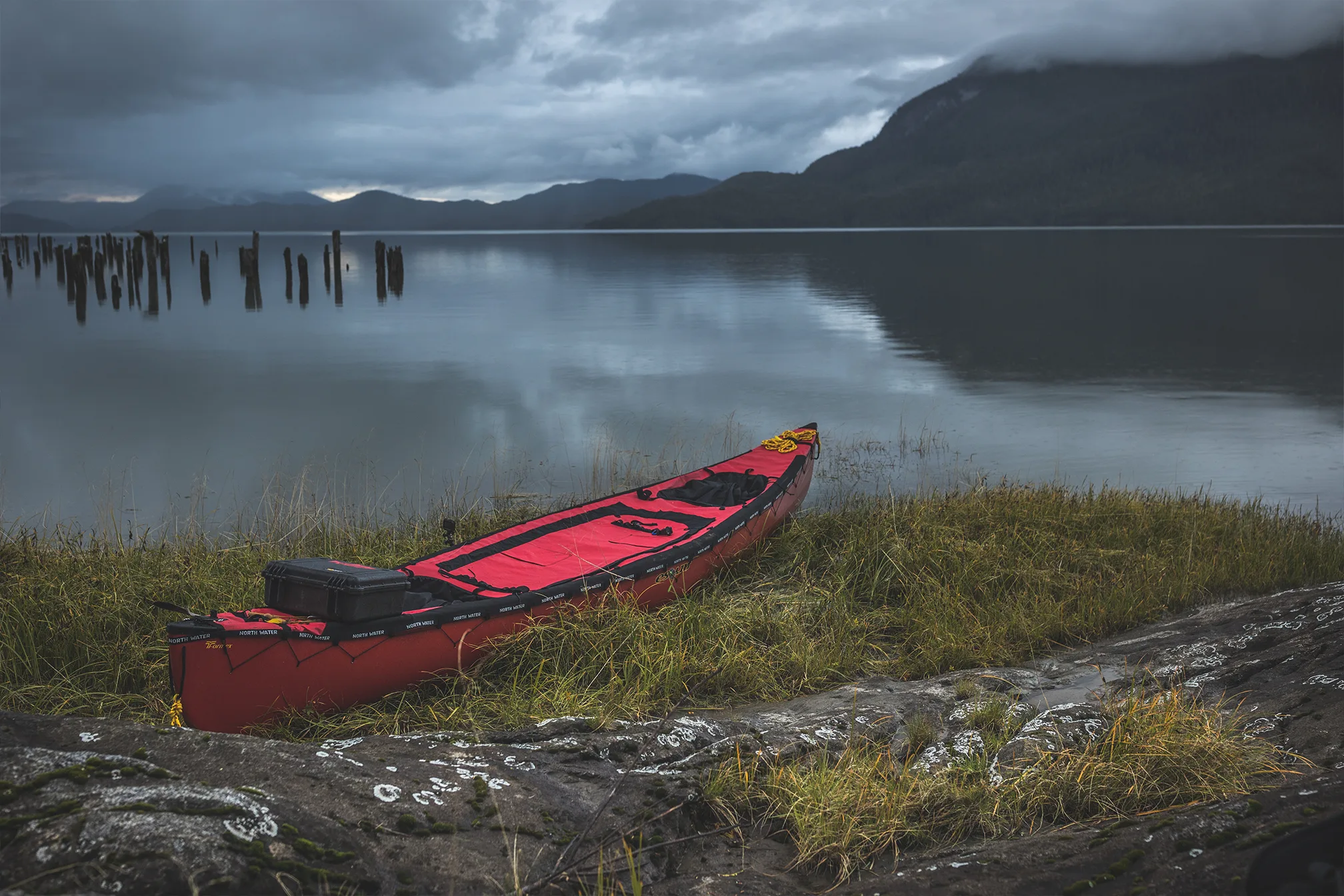
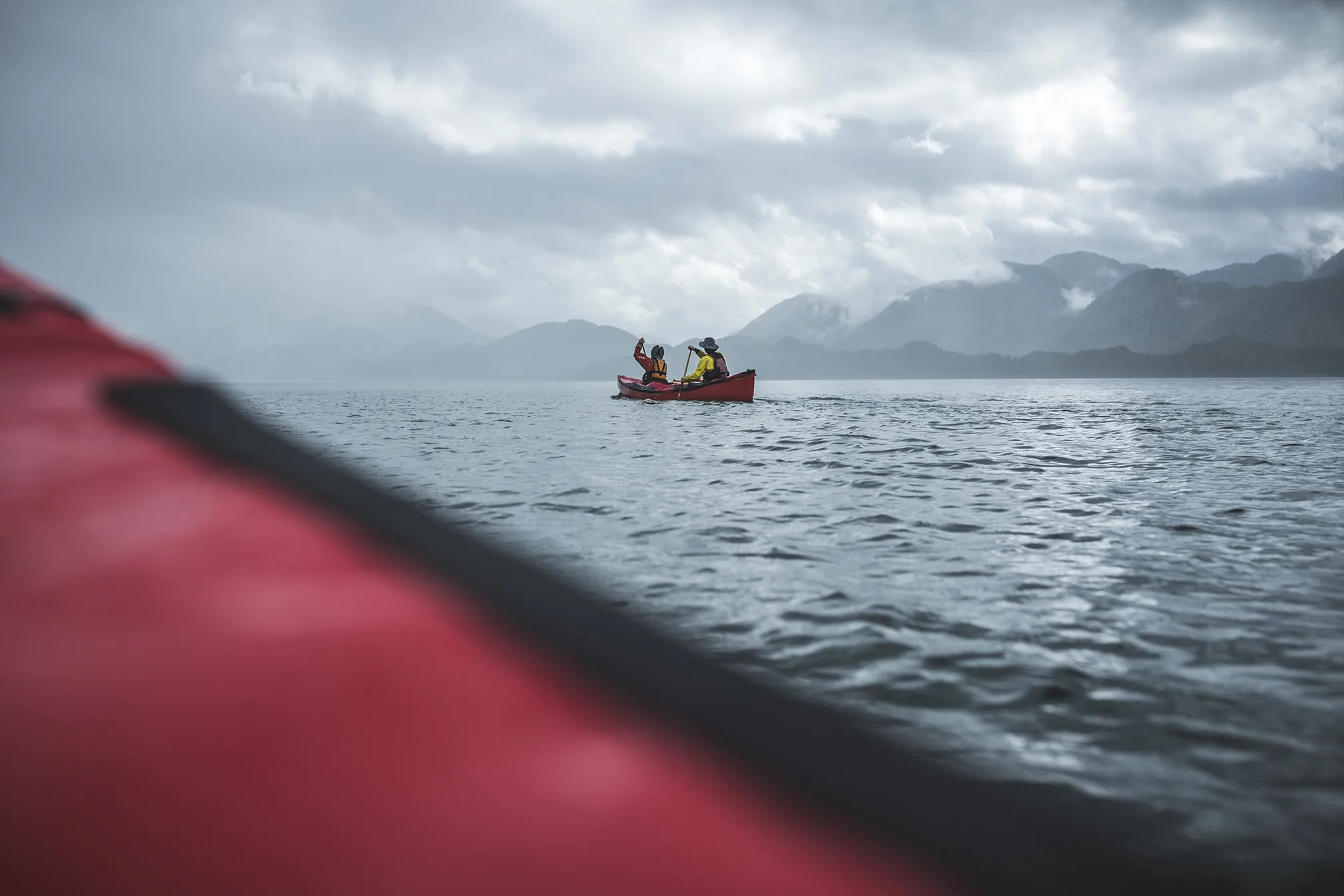
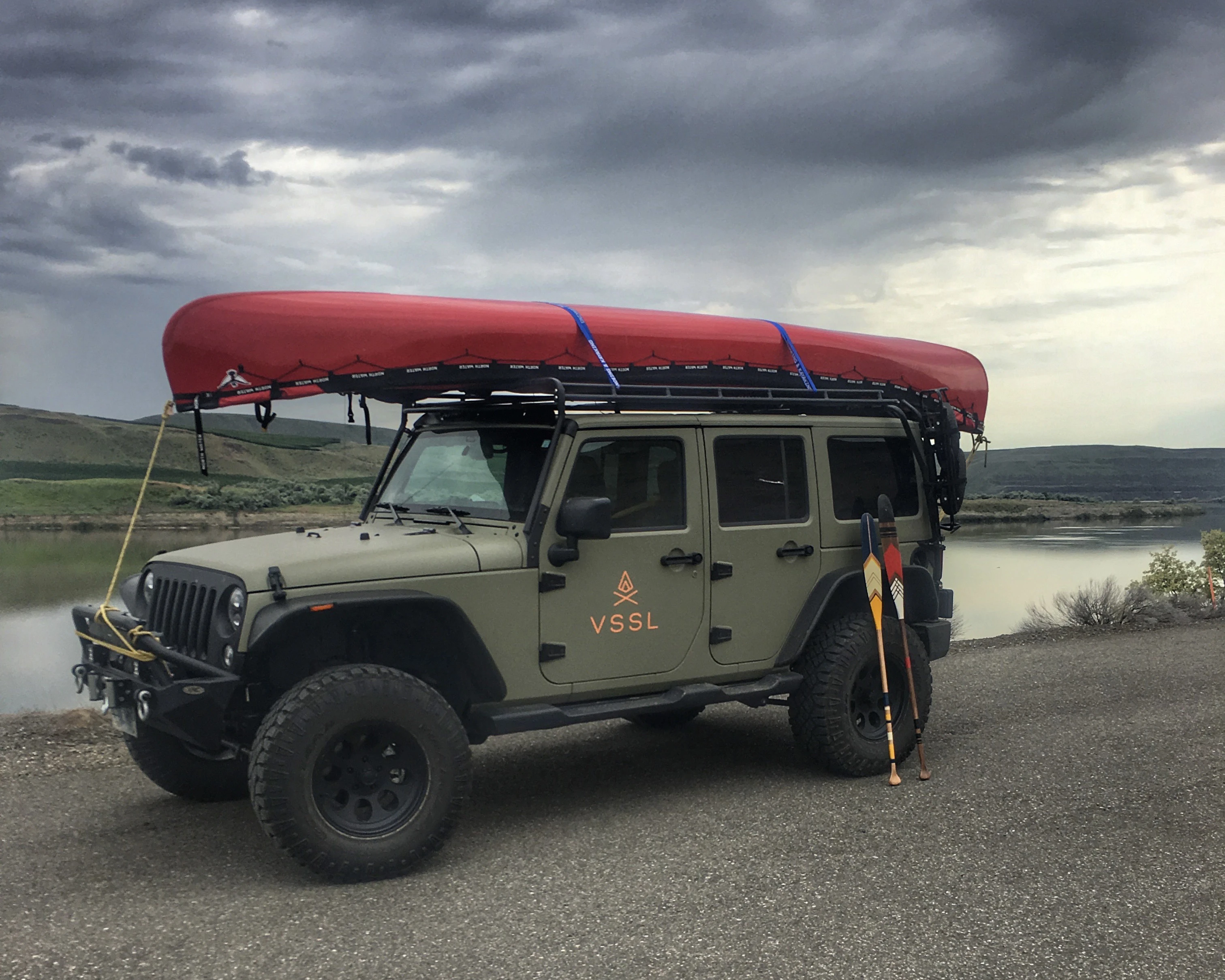
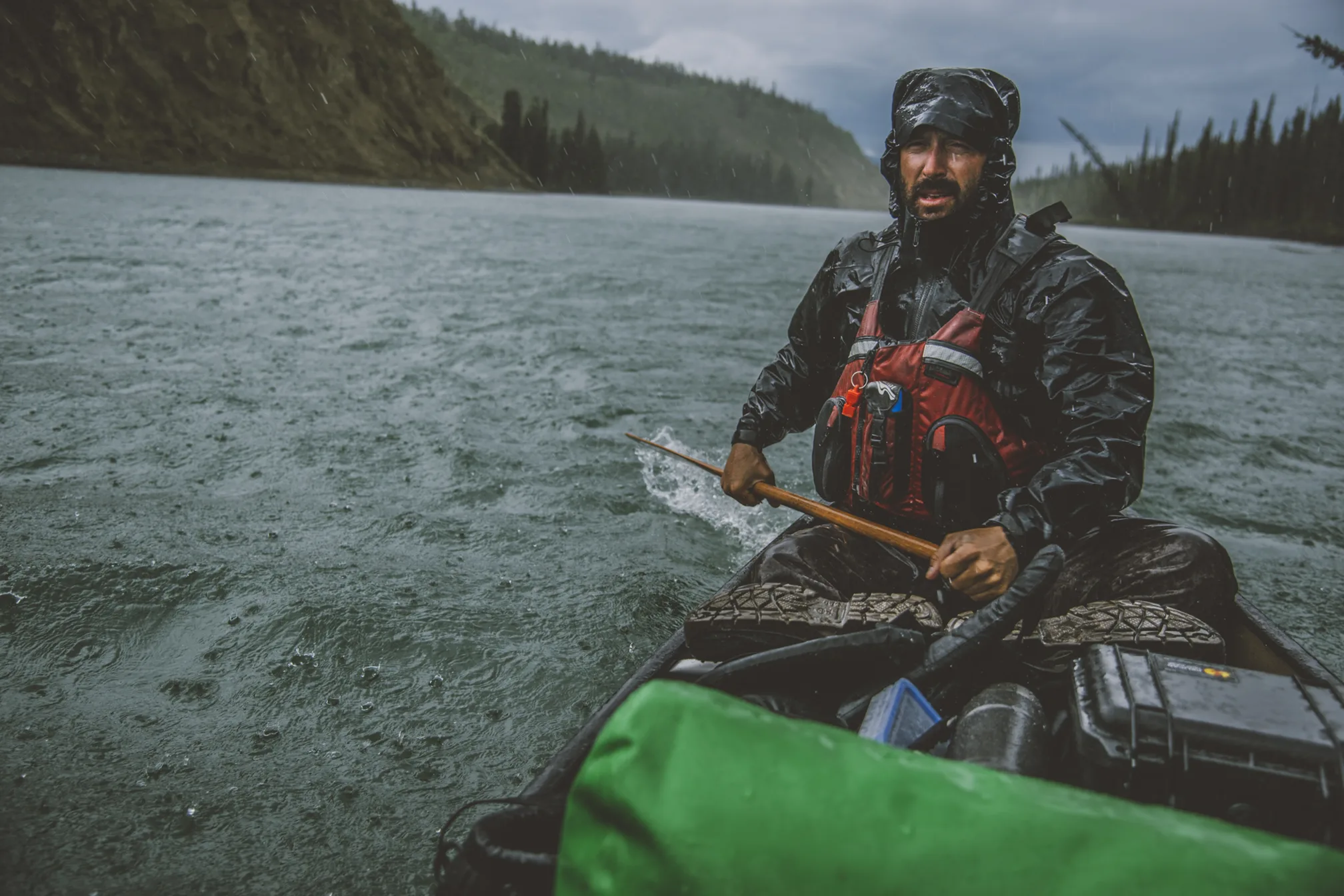
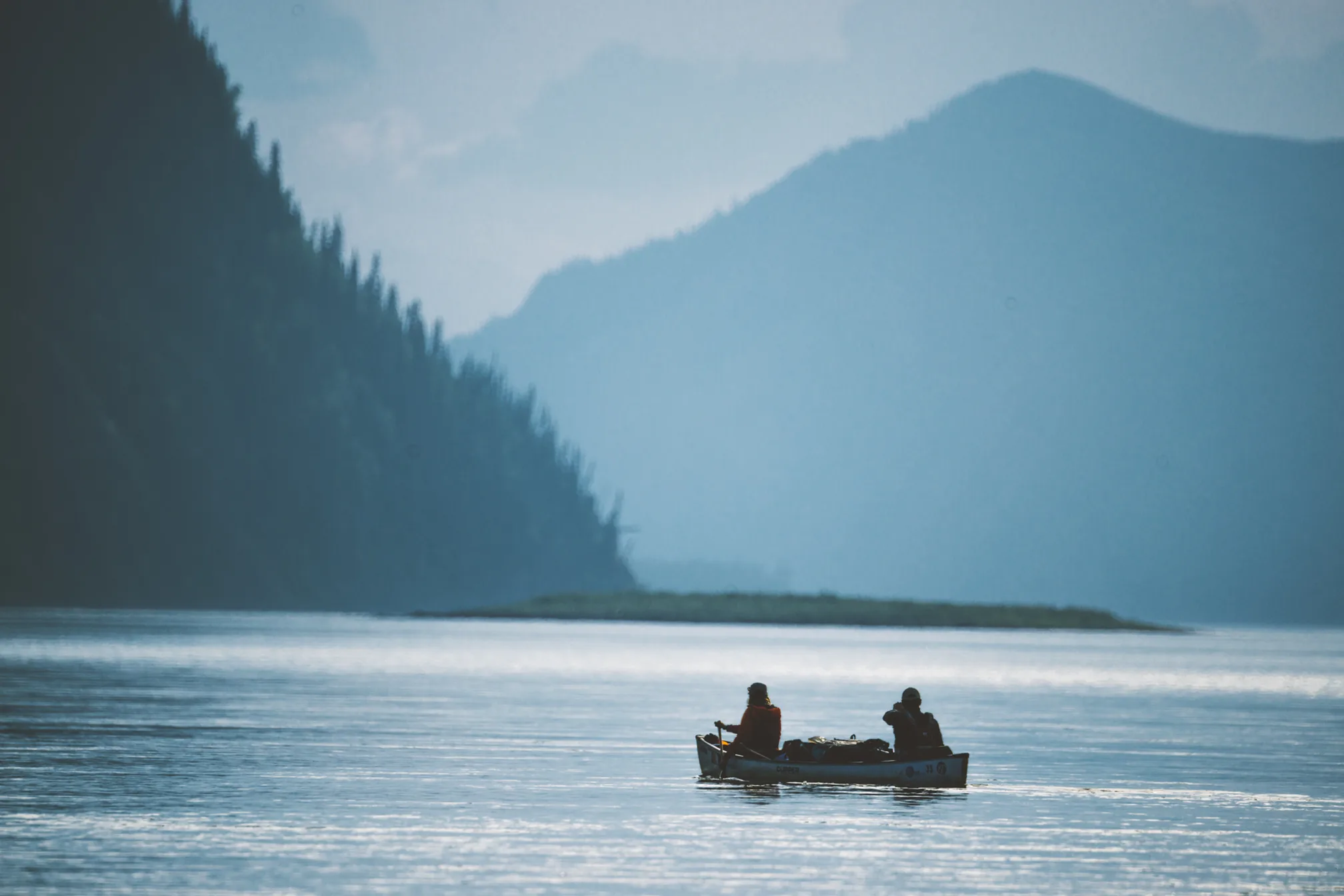
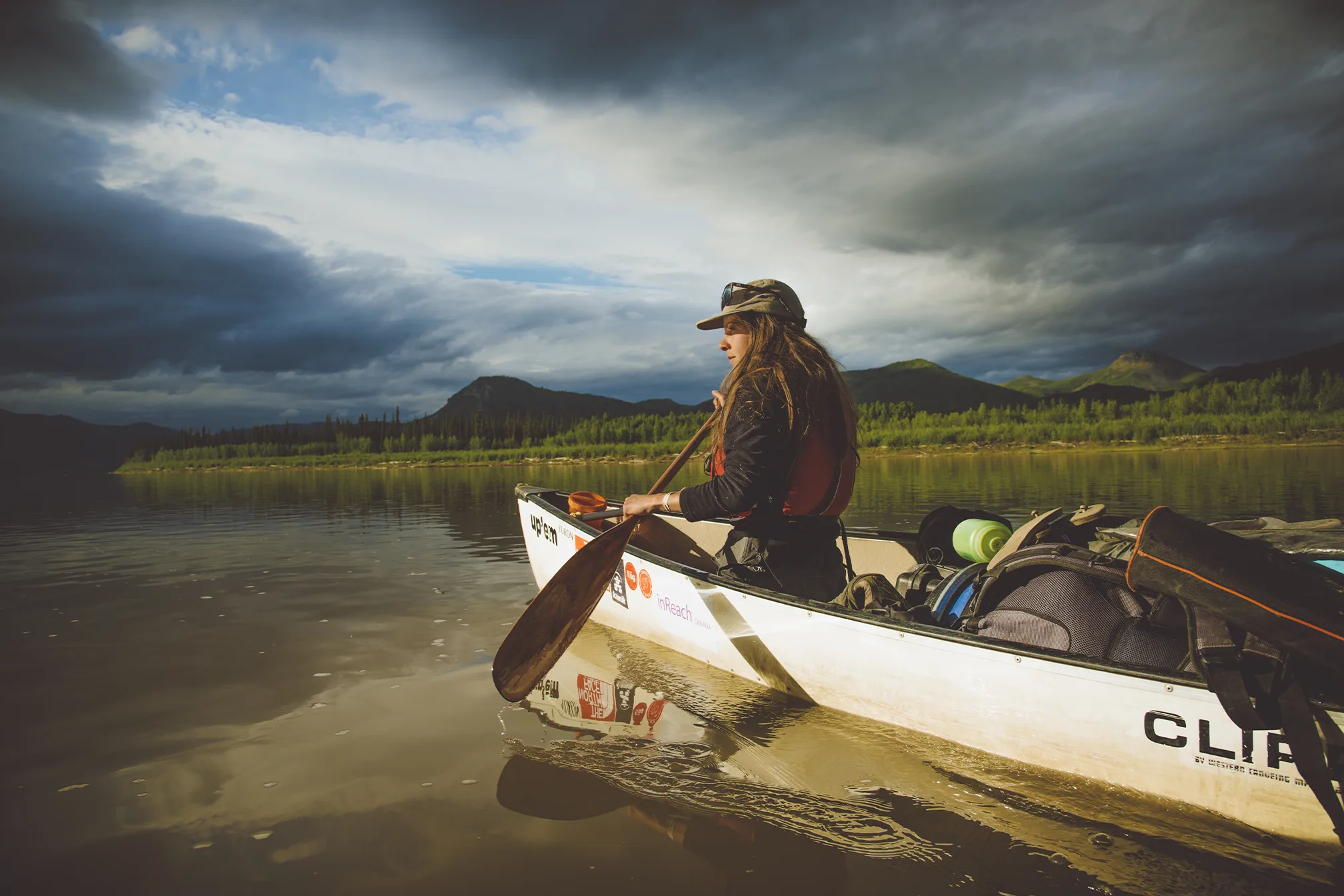
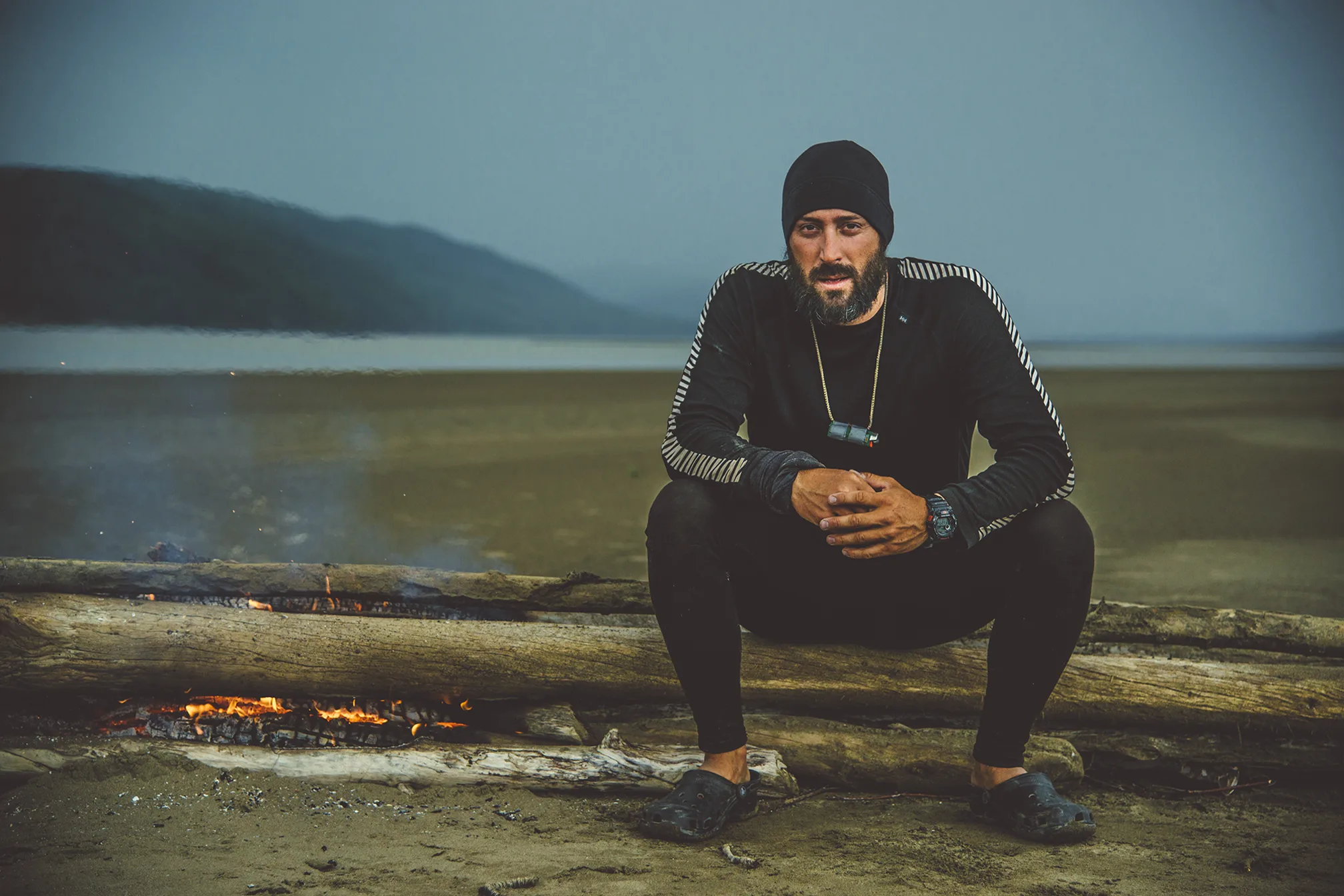
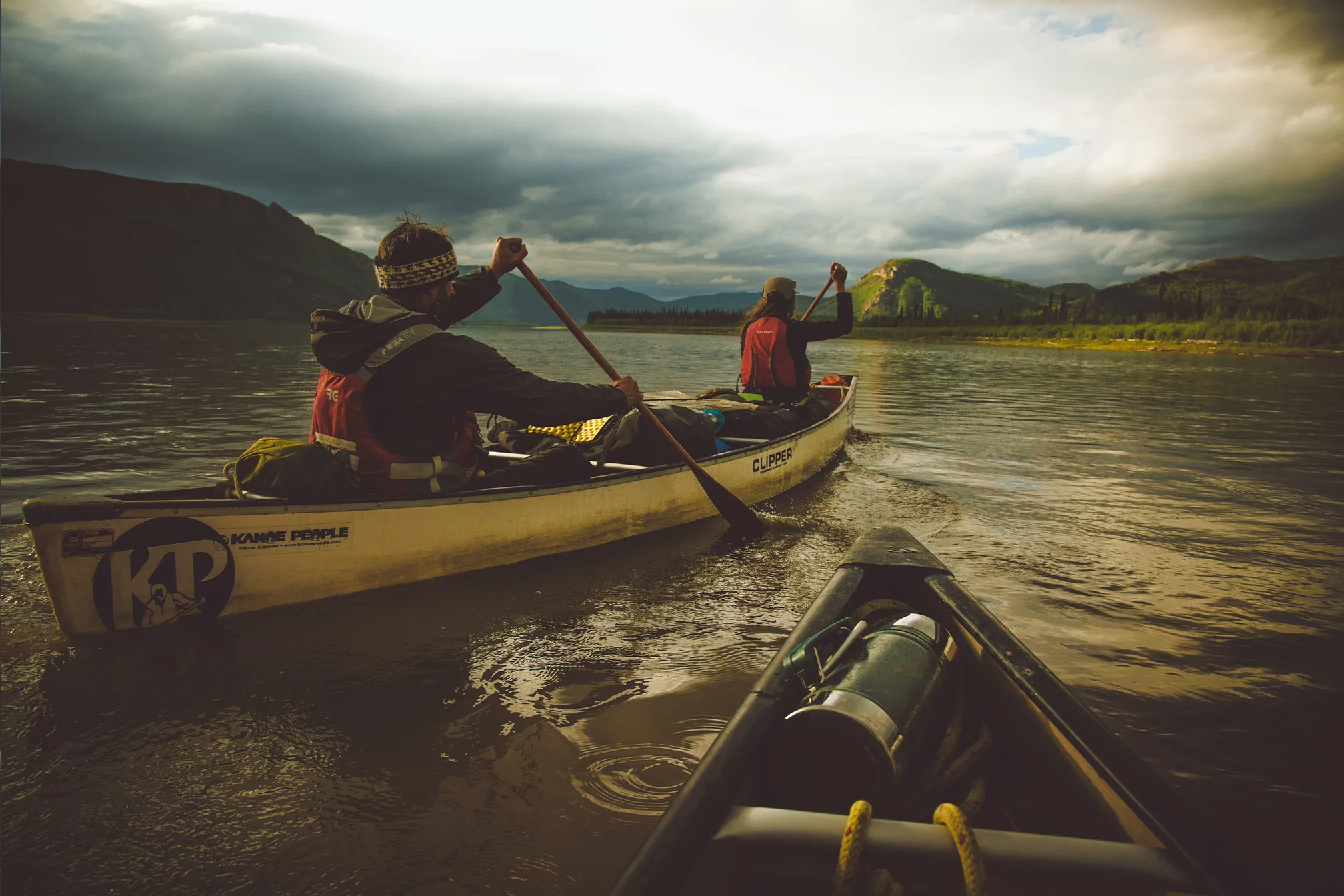
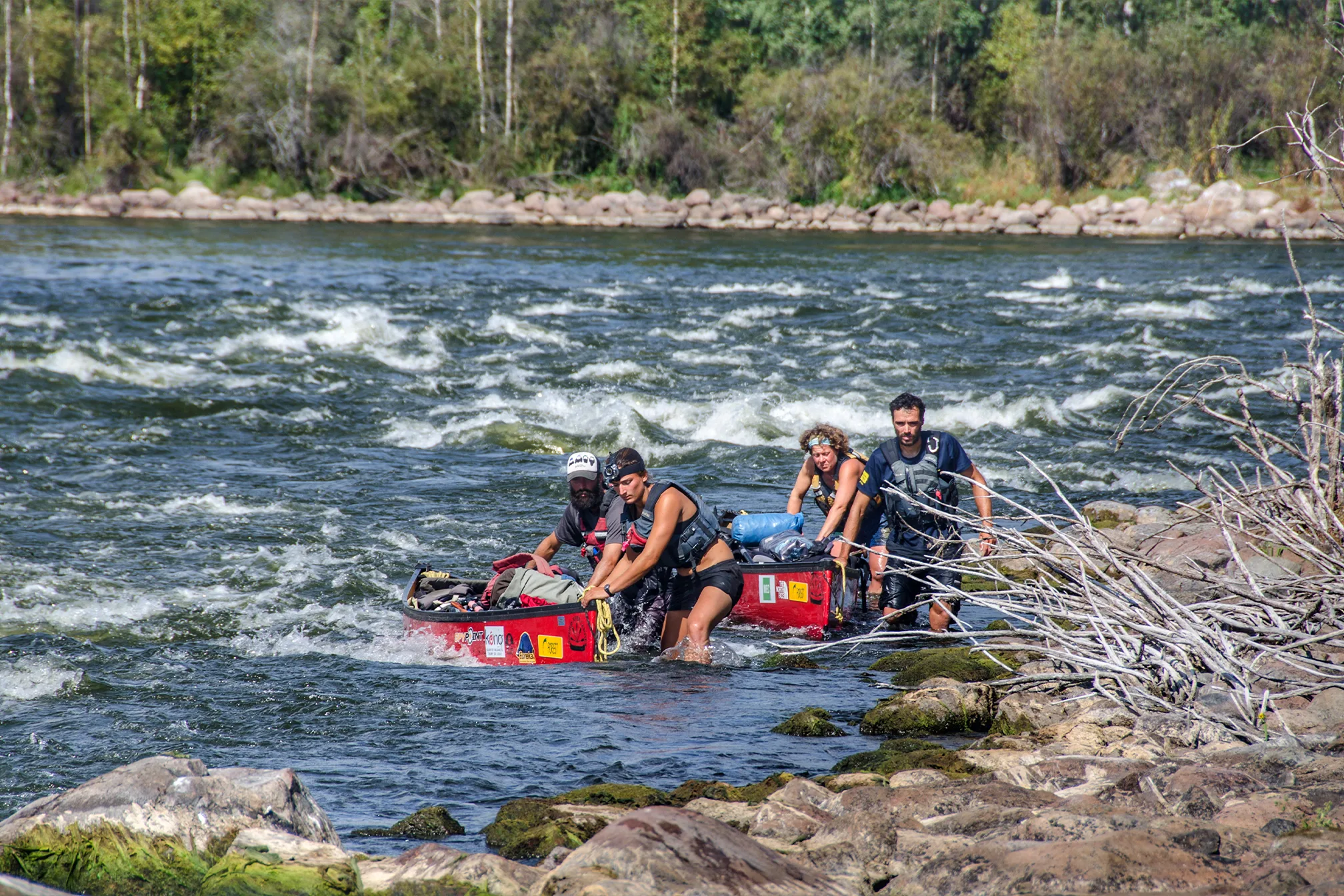
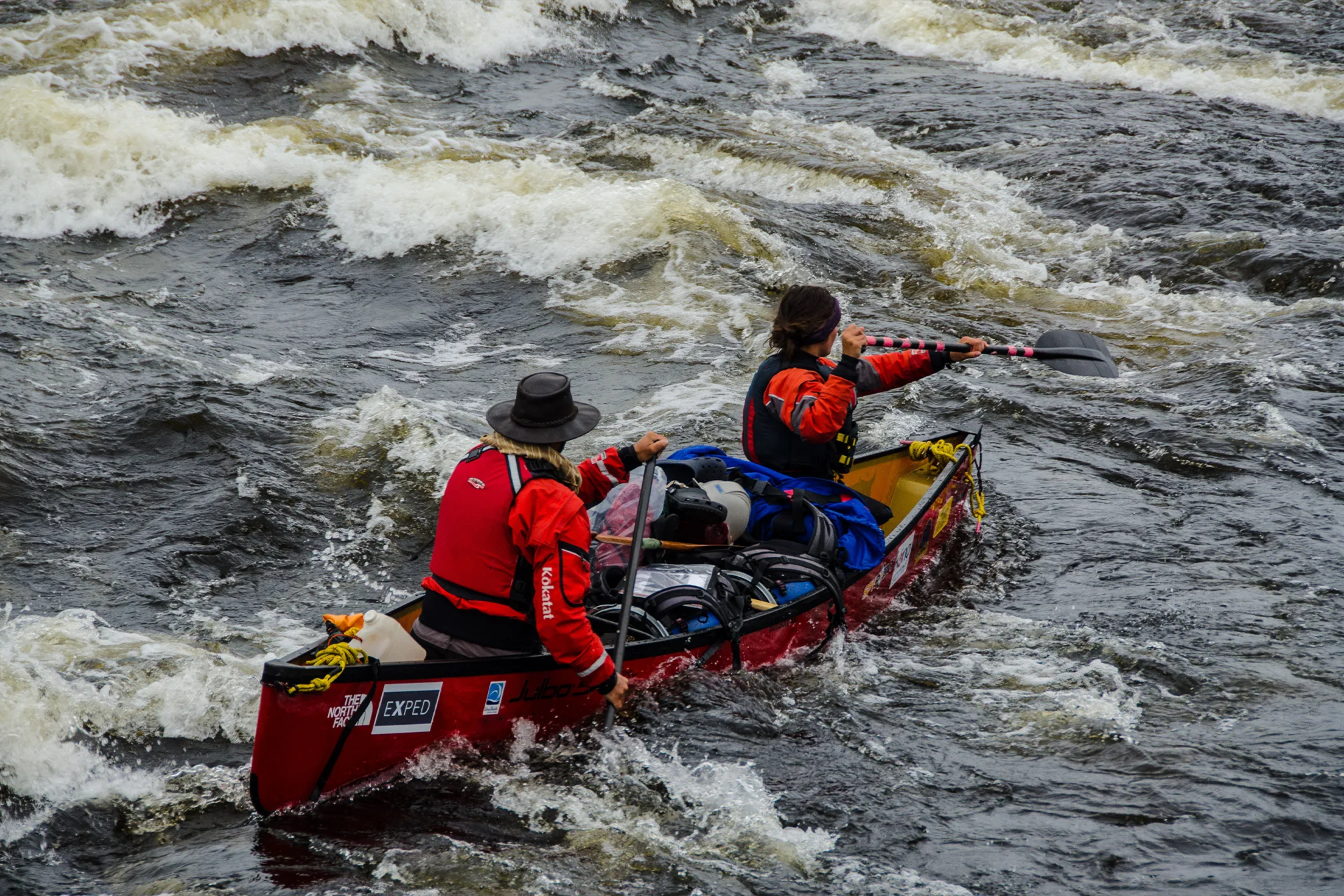
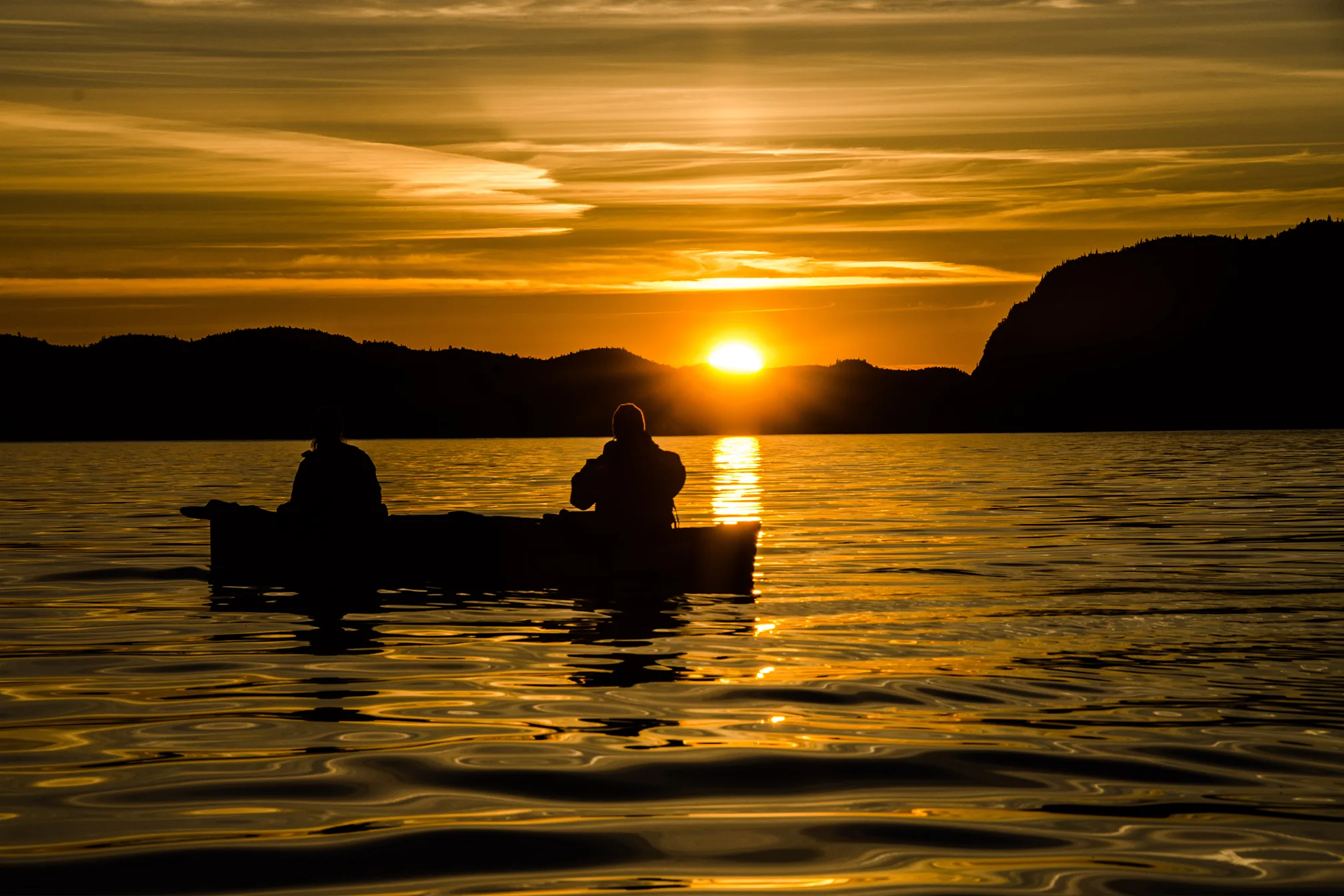
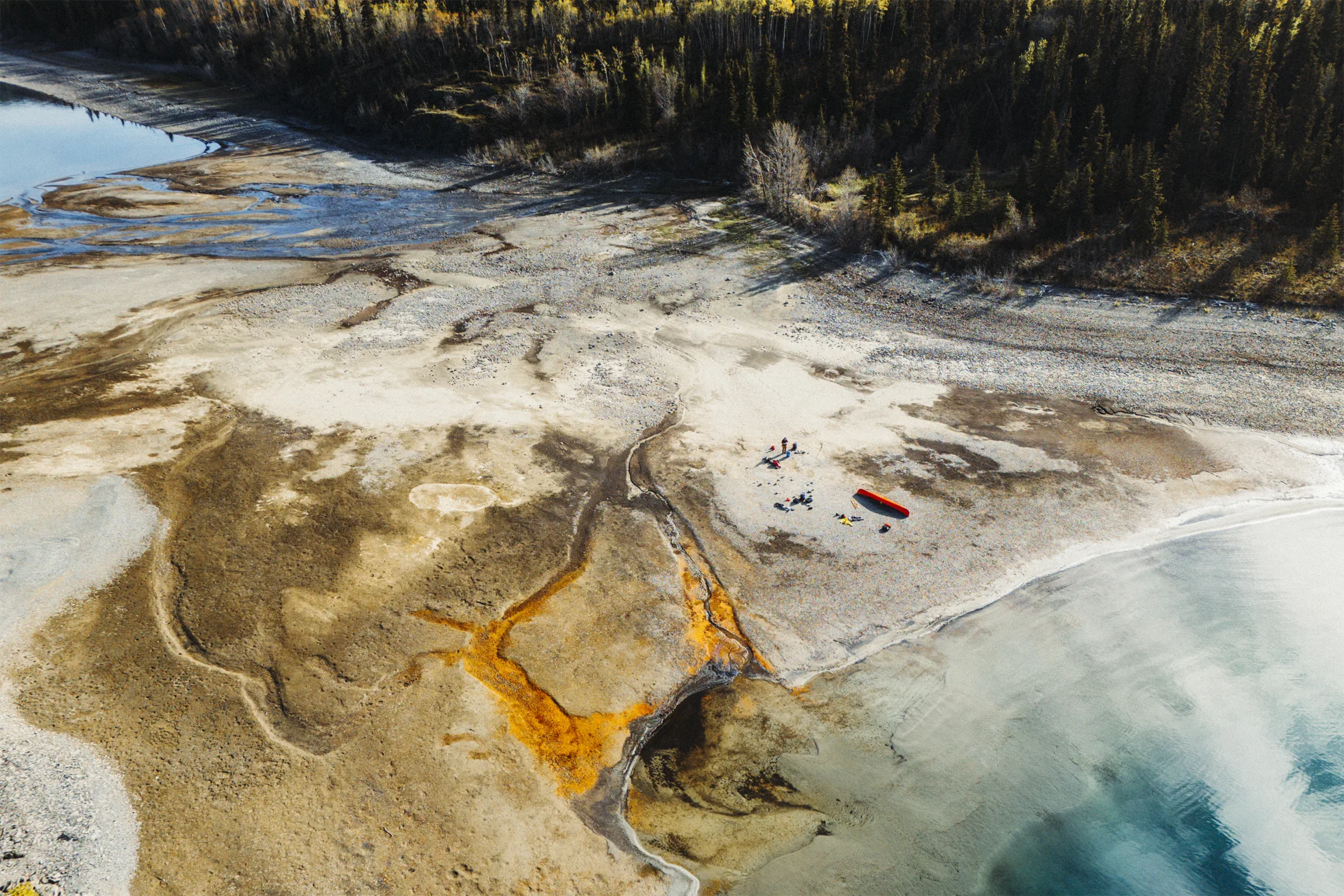
From Atlin Lake in British Columbia to Dawson City in Yukon, this 20-day, 900 km journey followed part of the historic Klondike Gold Rush route.

Biography
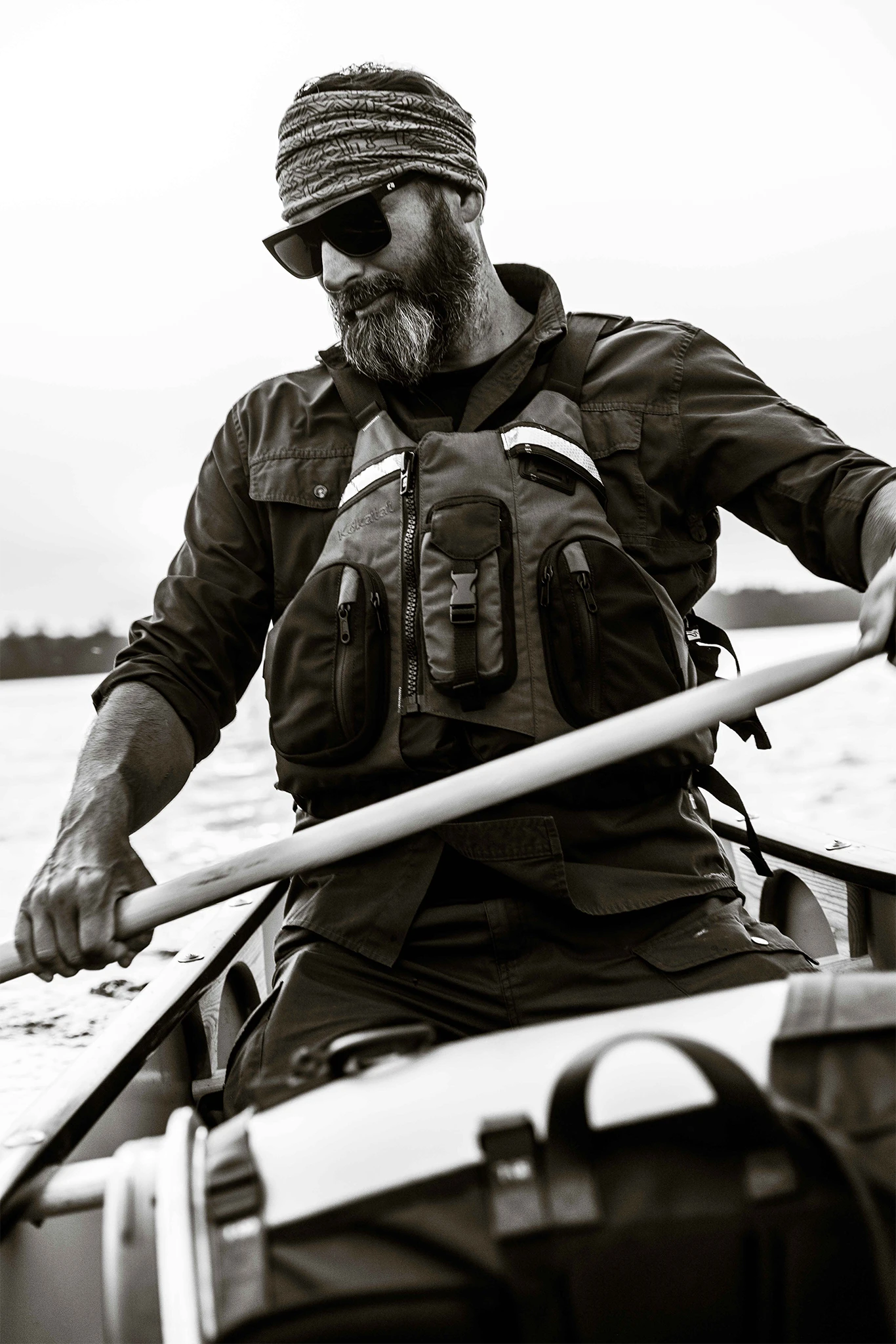
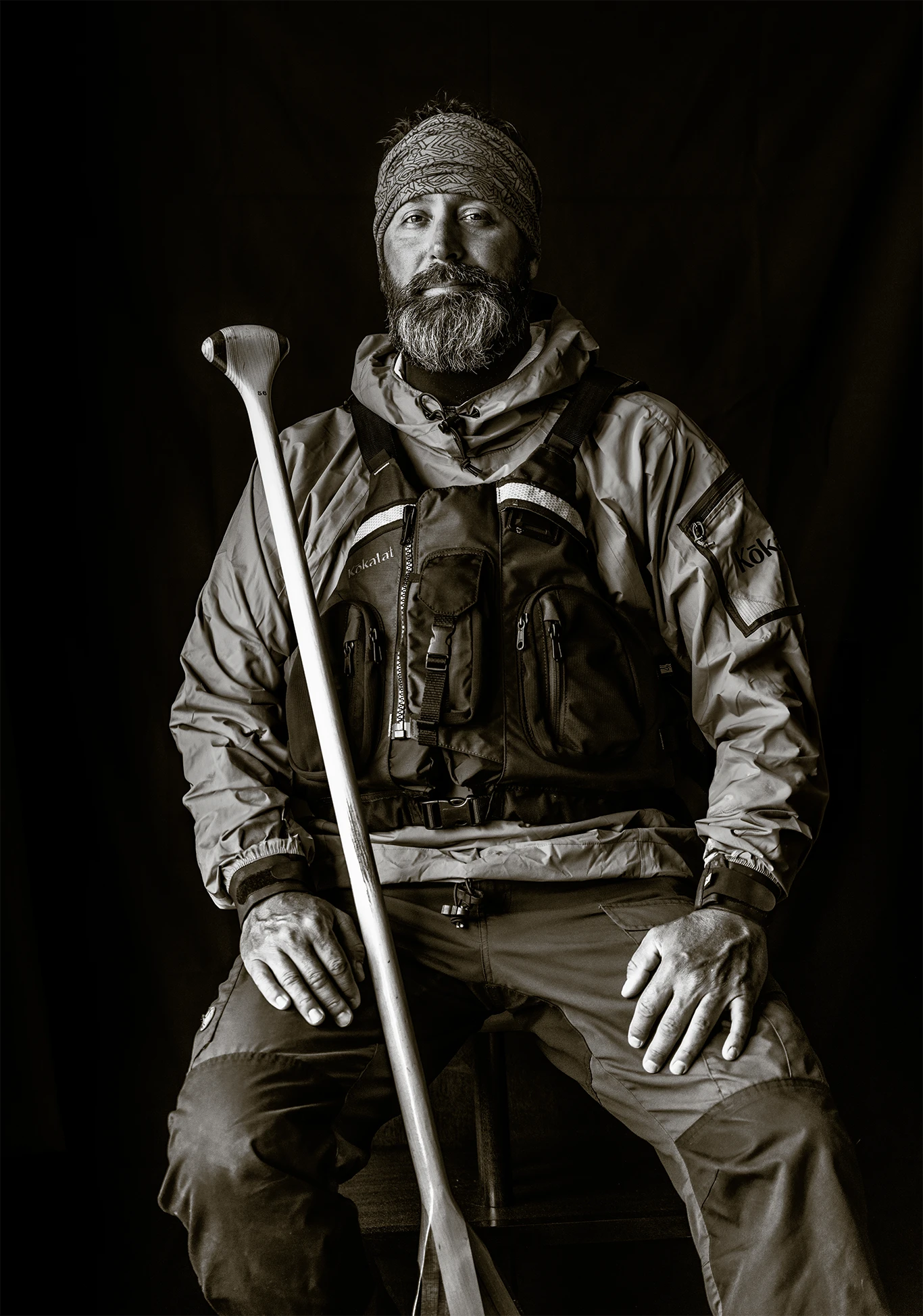
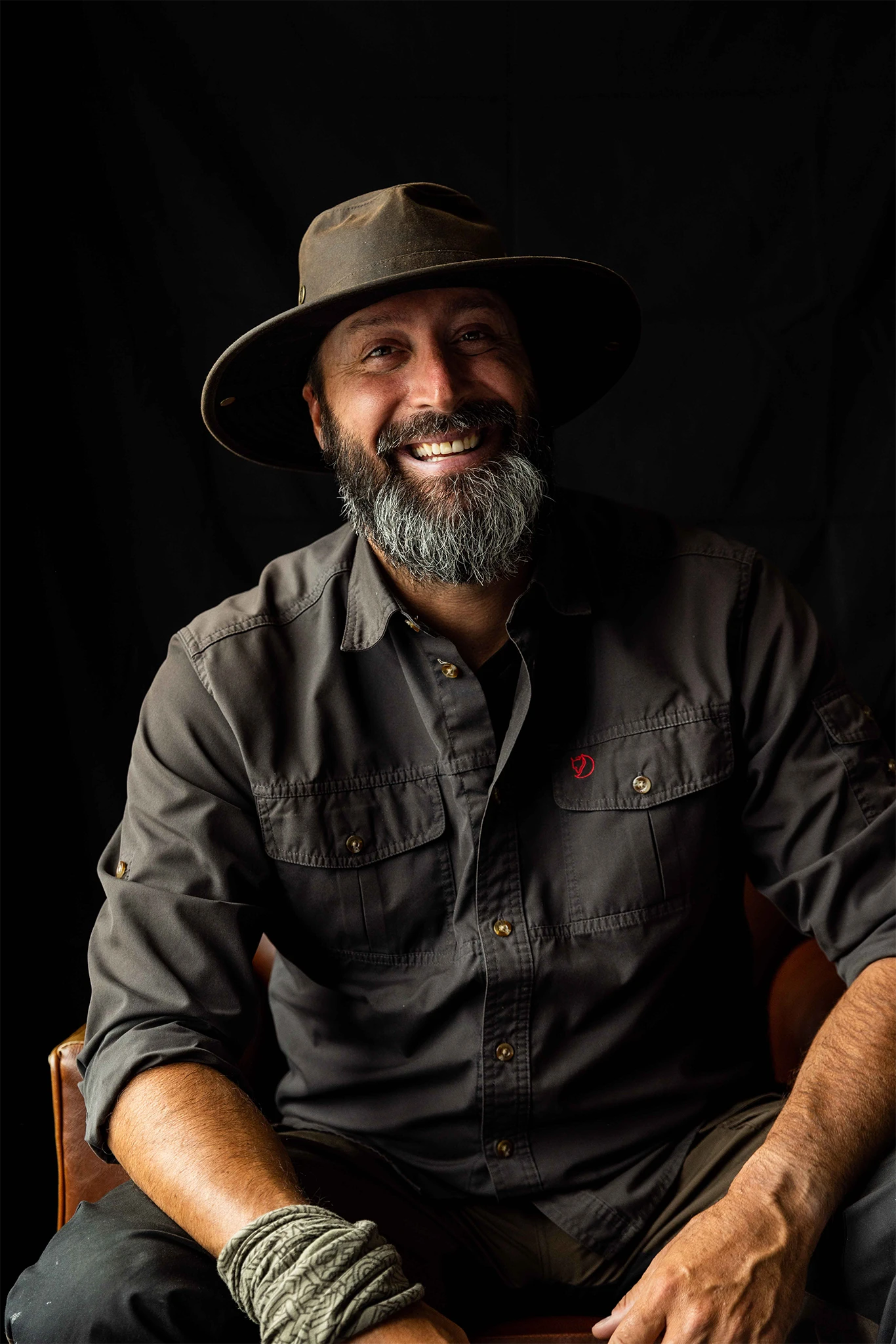
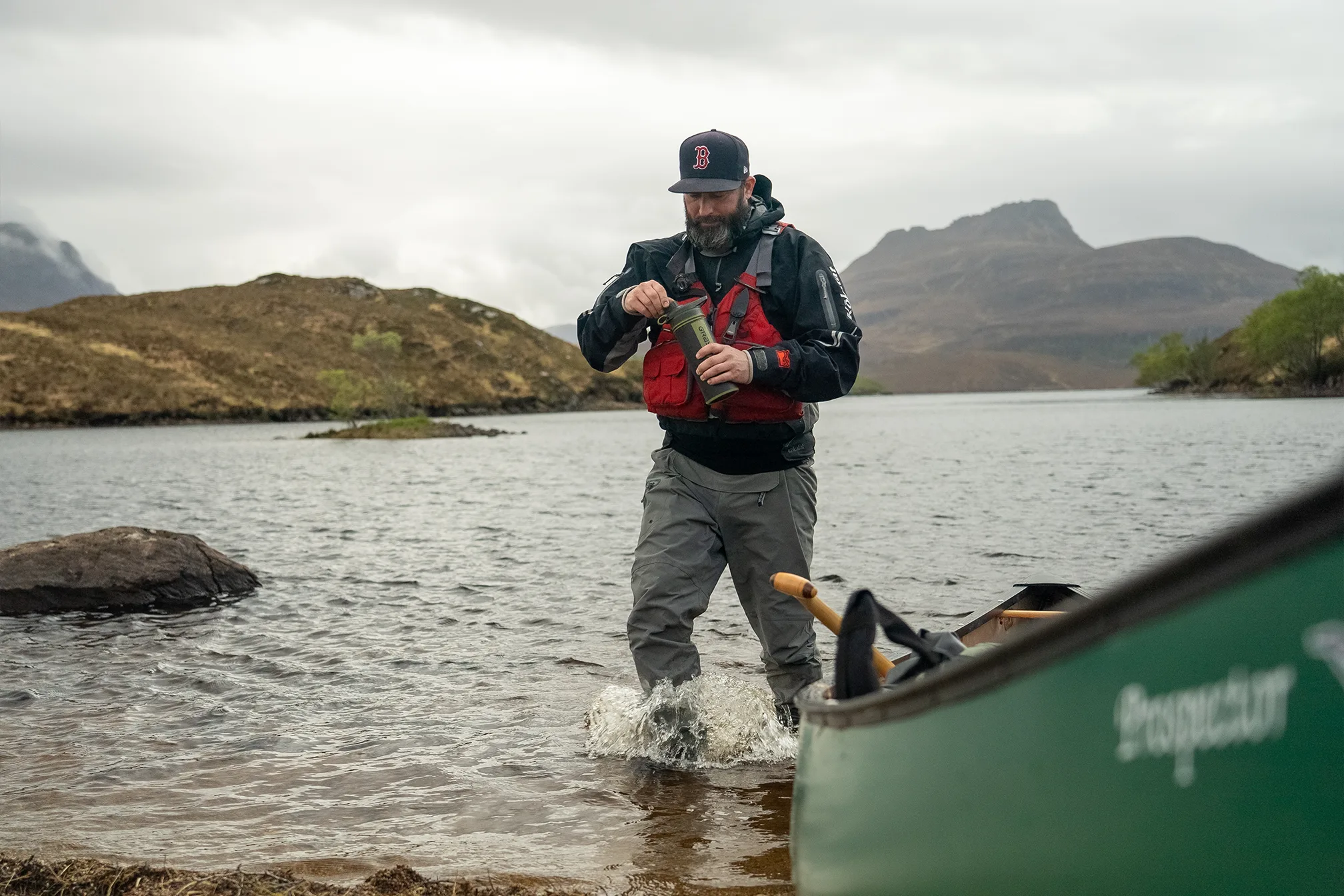
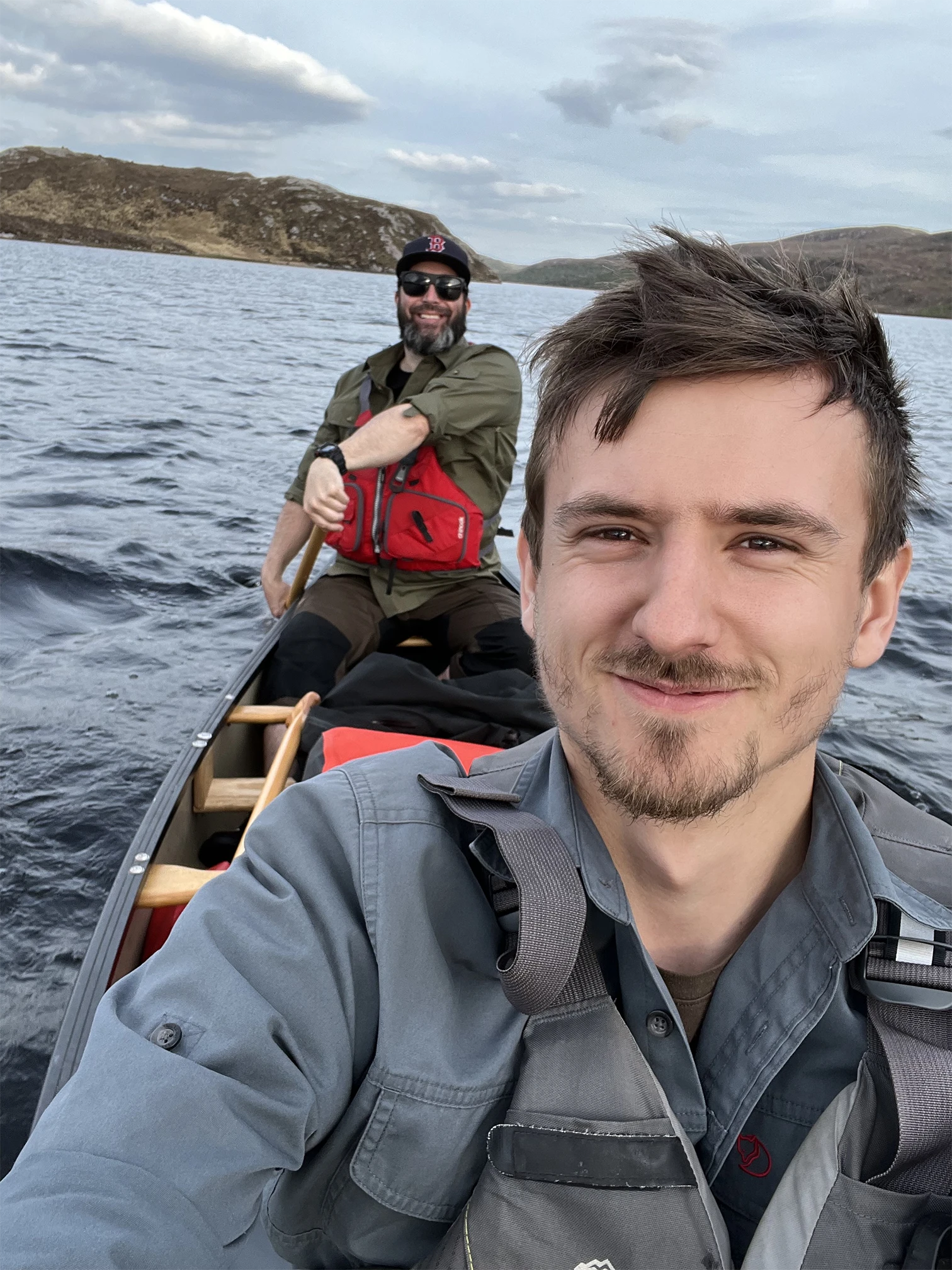
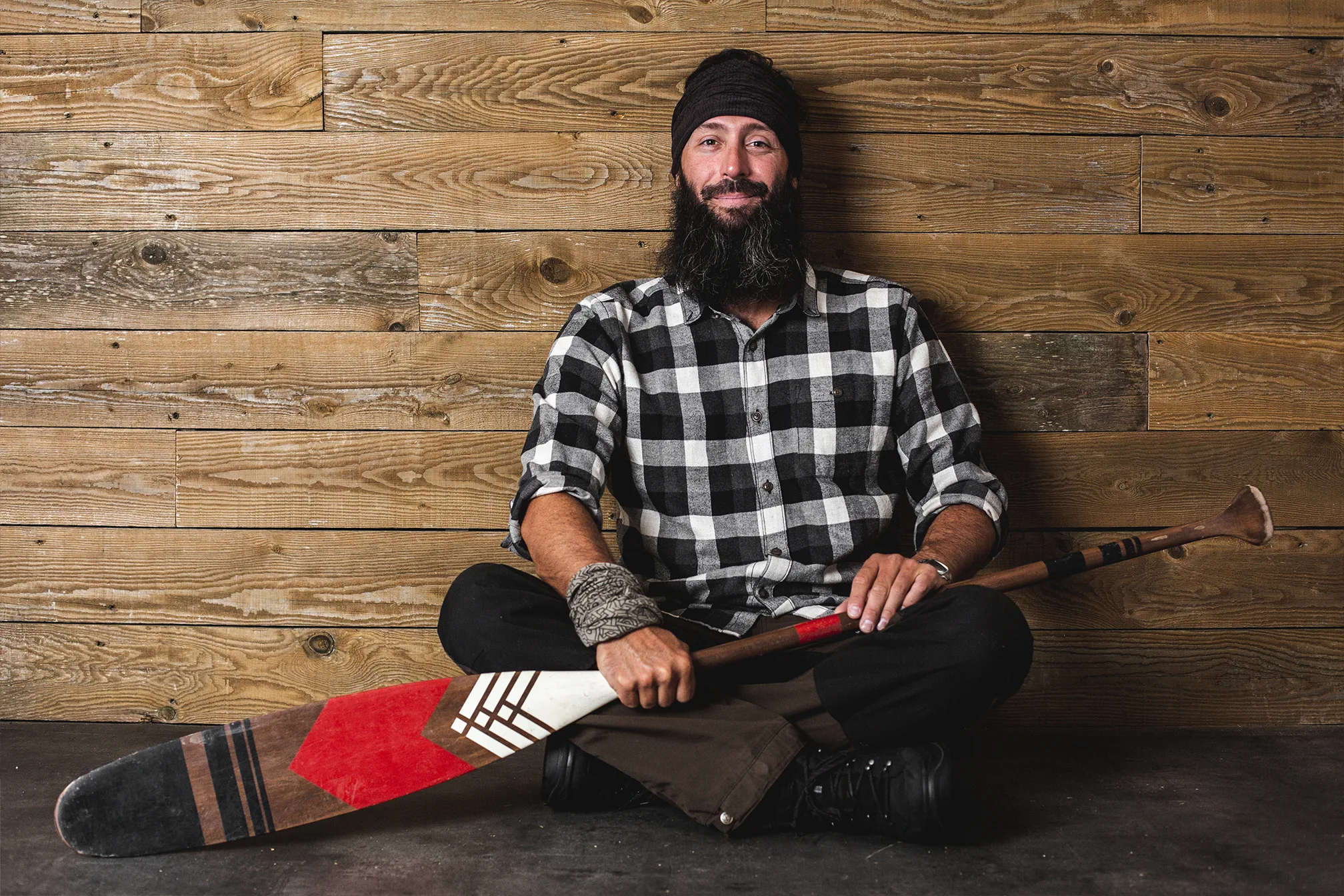
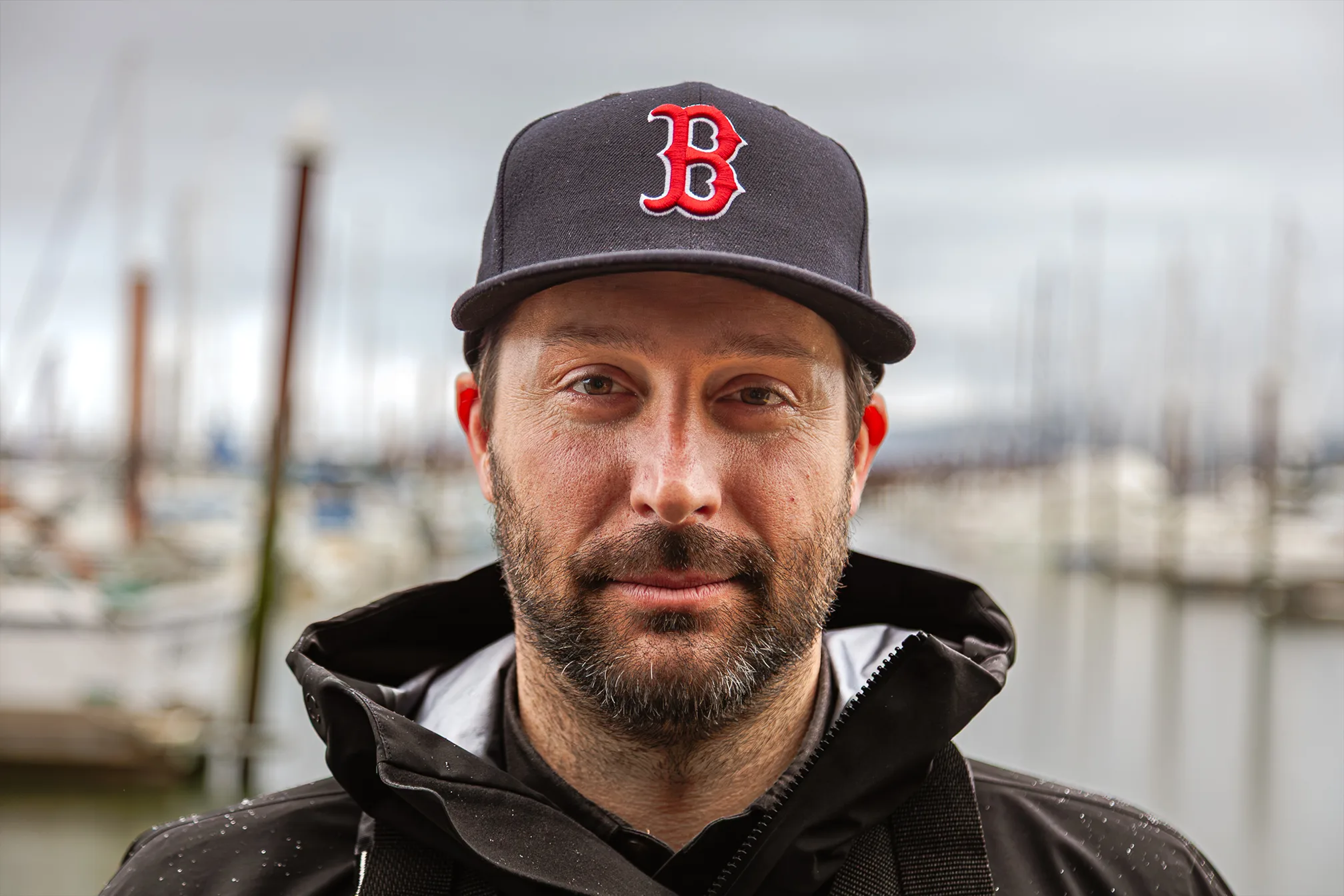
Martin Trahan is an adventurer and long-distance canoeist based in Montreal, Canada. He completed his first canoe trip at the age of 18 in Algonquin Provincial Park (Ontario, Canada) and undertook his first multi-month expedition across Canada at the age of 35. Over the years, Martin has paddled across vast regions of North America, both in his native Canada and the United States. His international expeditions have taken him through the Scottish Highlands, across France, and into the remote landscapes of Lapland, spanning Finland and Norway.
When not on a canoe expedition, he works as a social work technician supporting older adults. In this role, he helps ensure that seniors can remain in their homes as long as possible while maintaining a high quality of life. He assesses their needs and coordinates with appropriate healthcare professionals to deliver the required services. When quality of life declines or loss of autonomy becomes significant, he also supports families in identifying suitable residences or long-term care options that meet their needs.
Canoeing has become a way of life that allows him to express his traditions, identity, values and, above all, provides an opportunity to contribute to the protection of the natural heritage. The experience of being connected to the natural world is the way he has found to face his fears, heal, and feel more alive than ever. Developing a unique relationship with nature is beneficial for everyone, including him. It has the power to fill his mind with positive energy, transforming him for the better, and allowing him to find profound satisfaction in his own life journey.
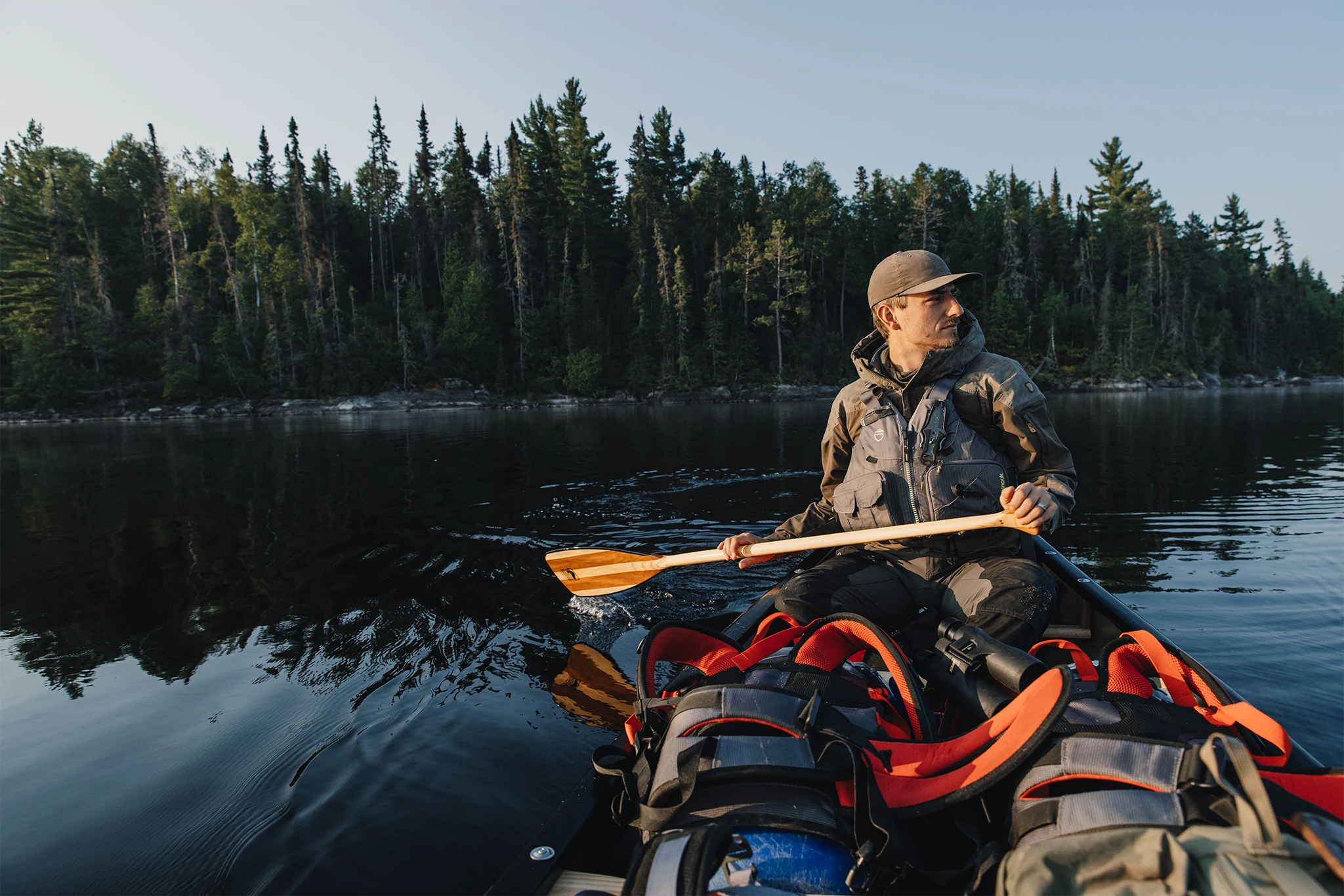
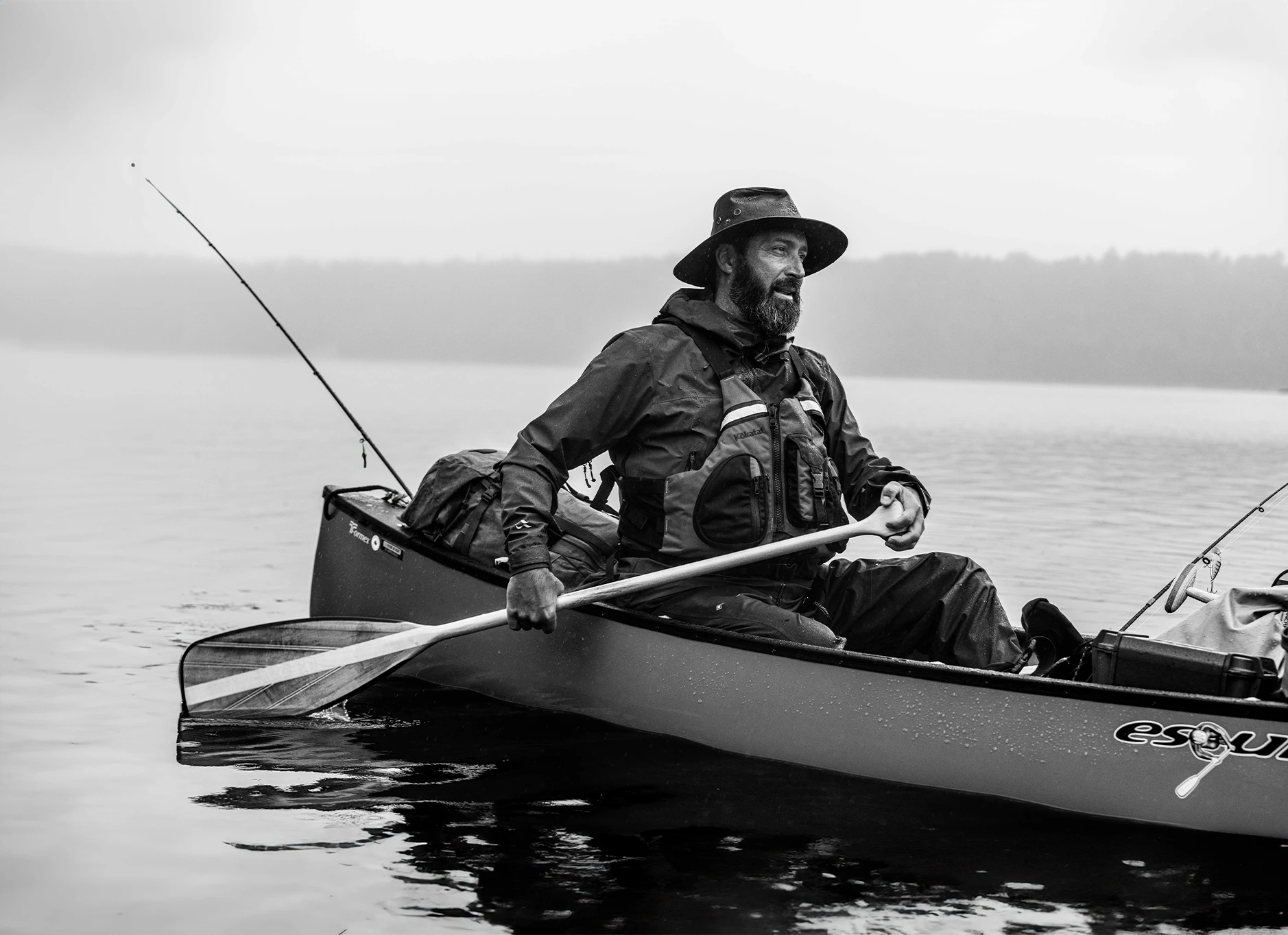
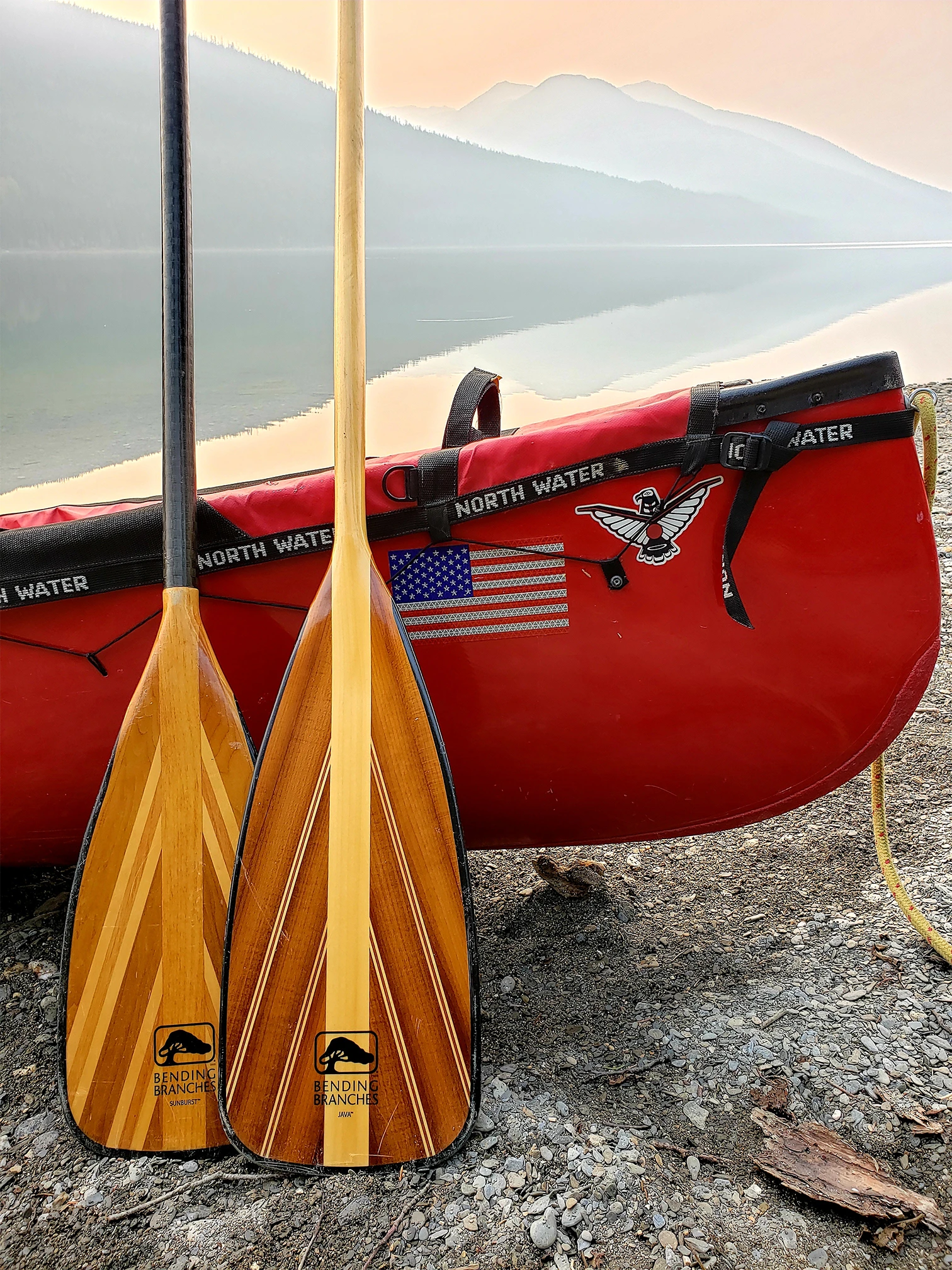
Everybody has their own idea of paradise. His lies out there in the wilderness, feeling the magic of a wooden paddle and the movement of the canoe. The paddle seems to be an extension of his body. The calming power of nature is undeniable. The quest for freedom and well-being fuels his desire to immerse himself in it.
2027 Expedition
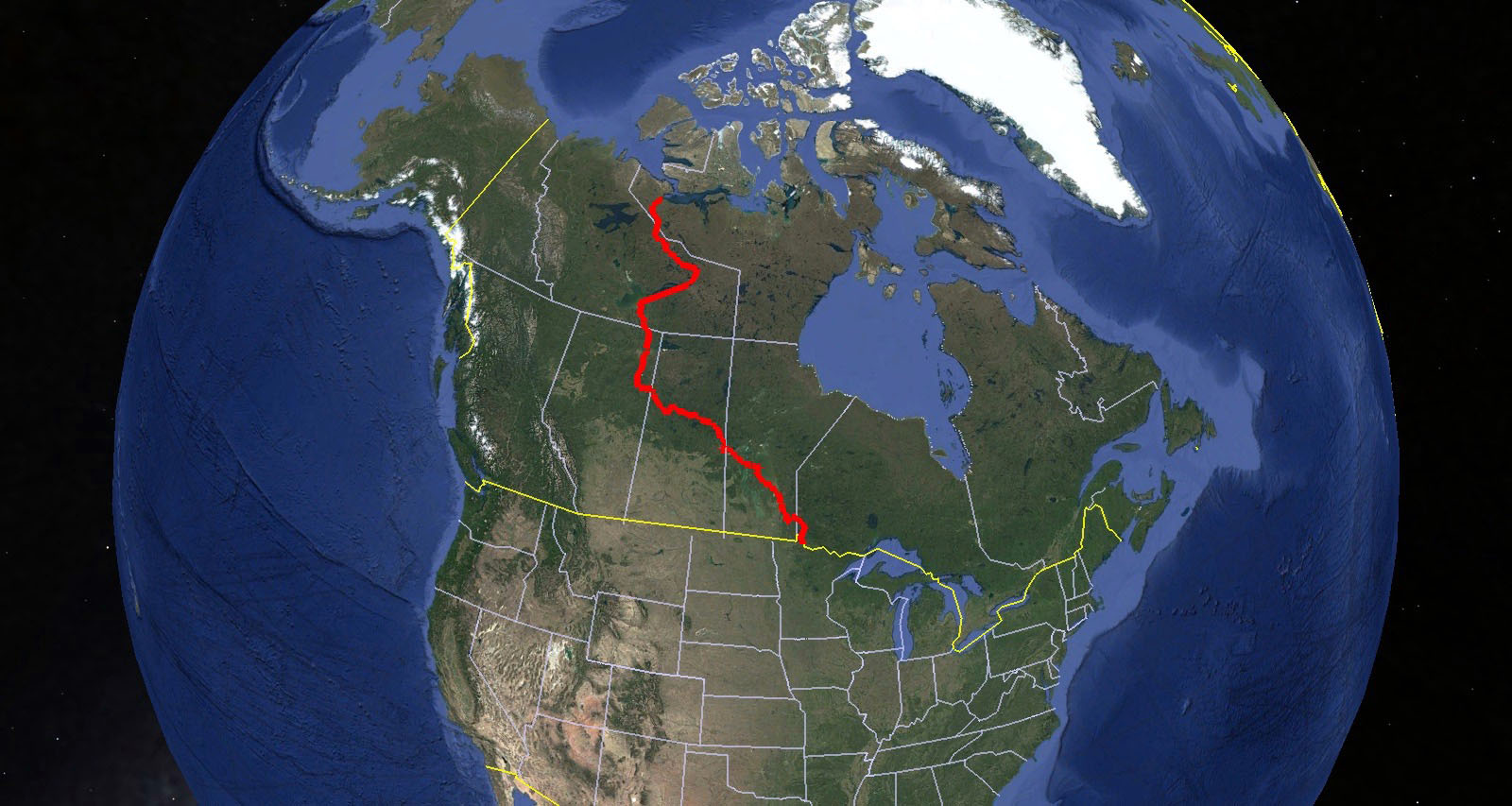
A 140-day, 4,500 km journey linking Lake of the Woods to Kugluktuk, at the mouth of the Coppermine River, on the Arctic Ocean coast (Coronation Gulf).
2027 Expedition
140 days · 4,500 km · Lake of the Woods → Kugluktuk
In 2027, I will undertake my final large-scale, multi-month canoe expedition: a 140-day, 4,500-kilometre journey from Lake of the Woods to Kugluktuk on the Arctic Ocean. The expedition will bring together both new teammates and friends from previous journeys, forming a crew connected by shared experience and a commitment to a long and demanding northern route. The journey will also be documented through a professional film production.
A central theme of the documentary will explore the relationships and group dynamics that emerge over months of continuous travel. Long-distance canoe expeditions create a unique social environment, where teamwork is shaped day after day through decision-making, fatigue, problem-solving, and shared responsibility. These conditions can put relationships under considerable strain, sometimes to the point of weakening or even breaking them. But they can also strengthen trust and forge bonds that extend far beyond the expedition itself. This evolving human dynamic is, in my view, a subject that remains underrepresented in expedition storytelling.
In parallel, the film will examine our evolving relationship with nature and landscape. Over the course of 4,500 kilometres, the route passes through a wide diversity of environments—from lakes and river systems bordered by small communities and towns, to increasingly remote northern stretches as we approach the Arctic watershed. This gradual transition offers a rare opportunity to experience how both the land and our perspective of it change over time. Rather than a static wilderness experience, it is a continuous passage through living landscapes that shape how we move, adapt, and understand our surroundings.
A third theme will focus on the idea of a purposeful journey: committing to a human-powered expedition of this scale, where time, distance, and effort naturally define the experience. The goal is to reach the Arctic waters into the barren lands where the landscape opens and the character of the river systems shifts once again. These waters are known for exceptional fishing opportunities, but the focus of the journey lies in the progression toward them. In this context, fishing represents a meaningful culmination of the expedition—an outcome shaped as much by the process of travel as by the moment itself.
Planned route
Past expeditions
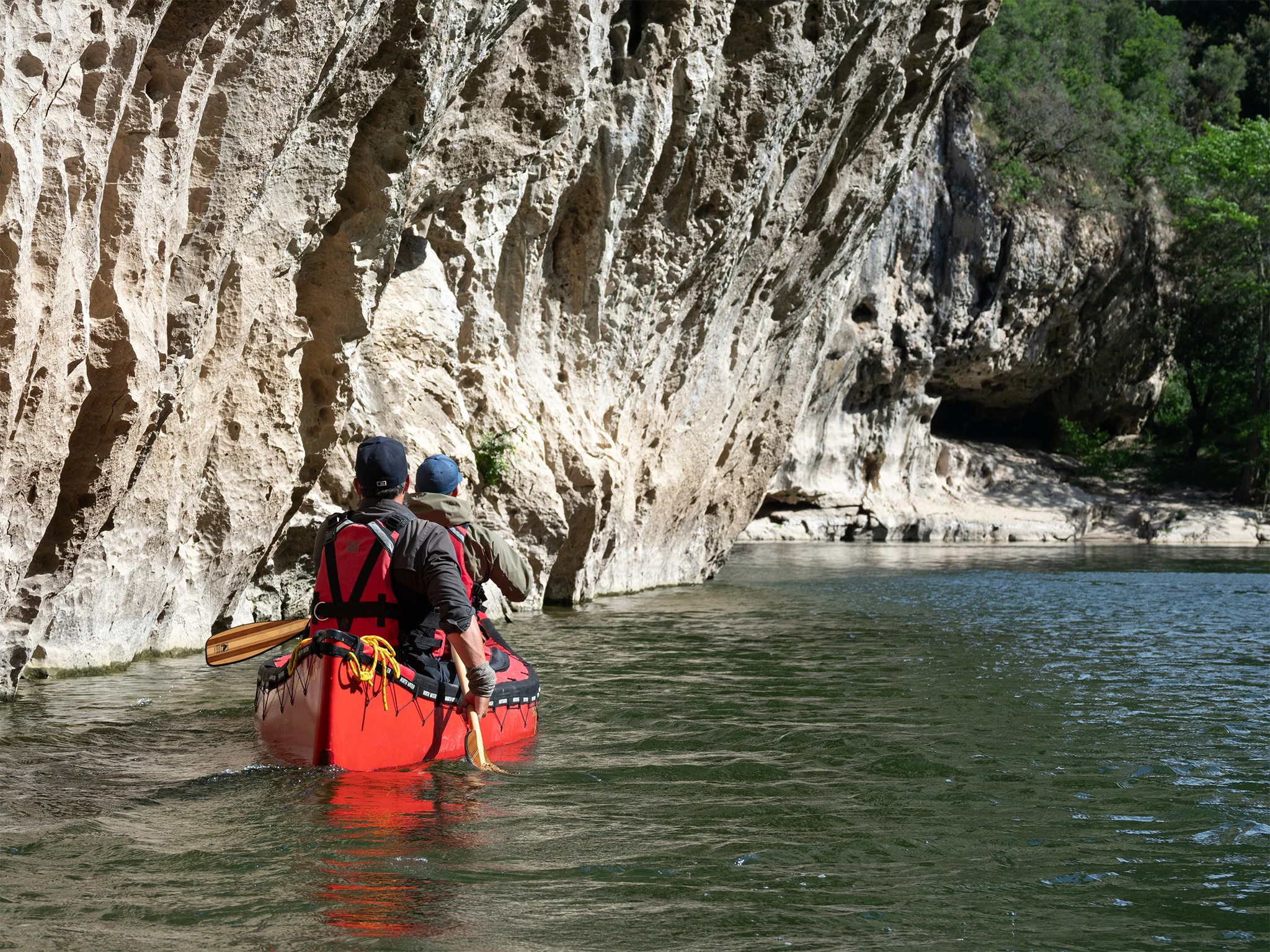
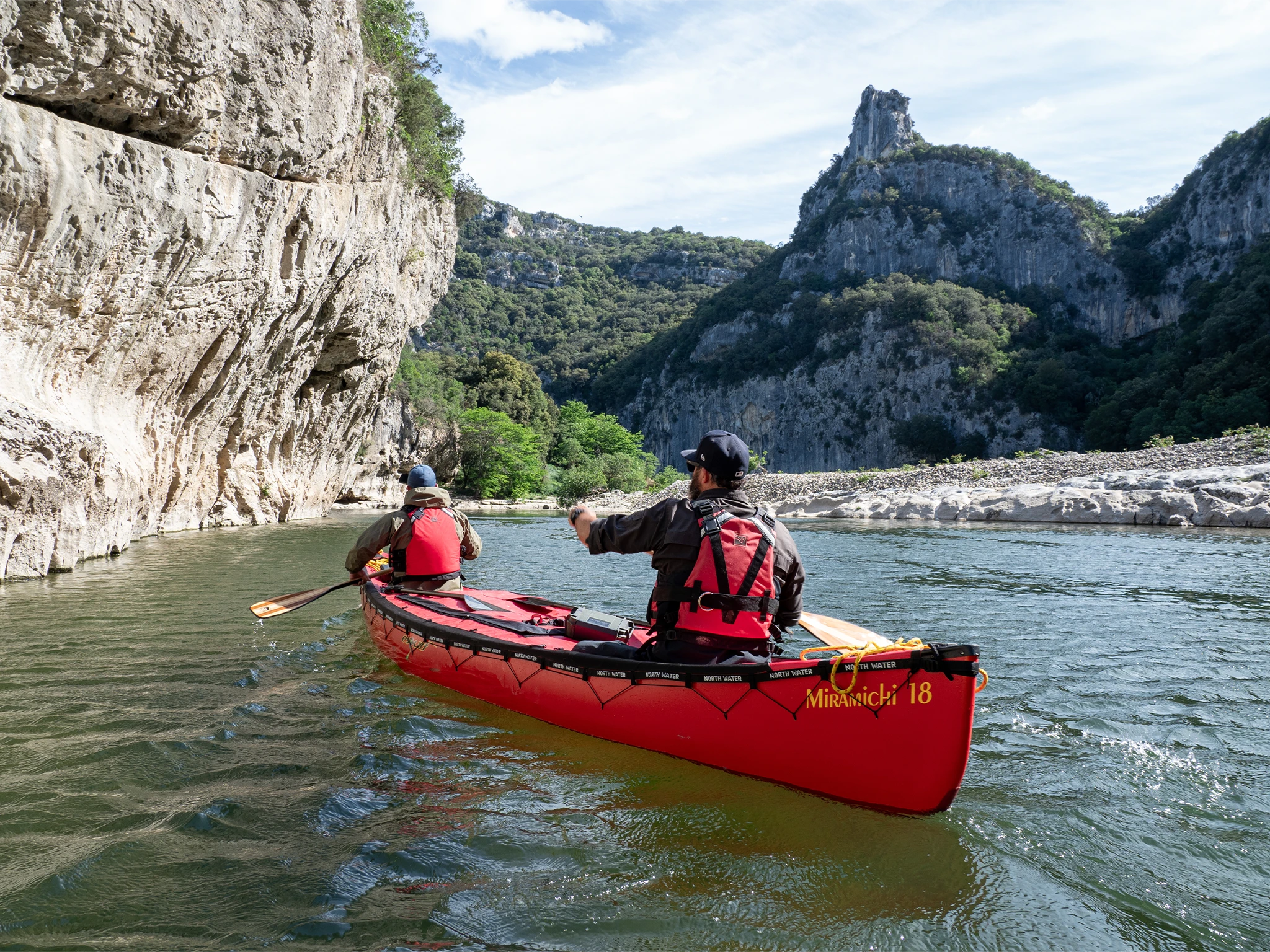
From Atlin Lake in British Columbia to Dawson City in Yukon, this 20-day, 900 km journey followed part of the historic Klondike Gold Rush route.
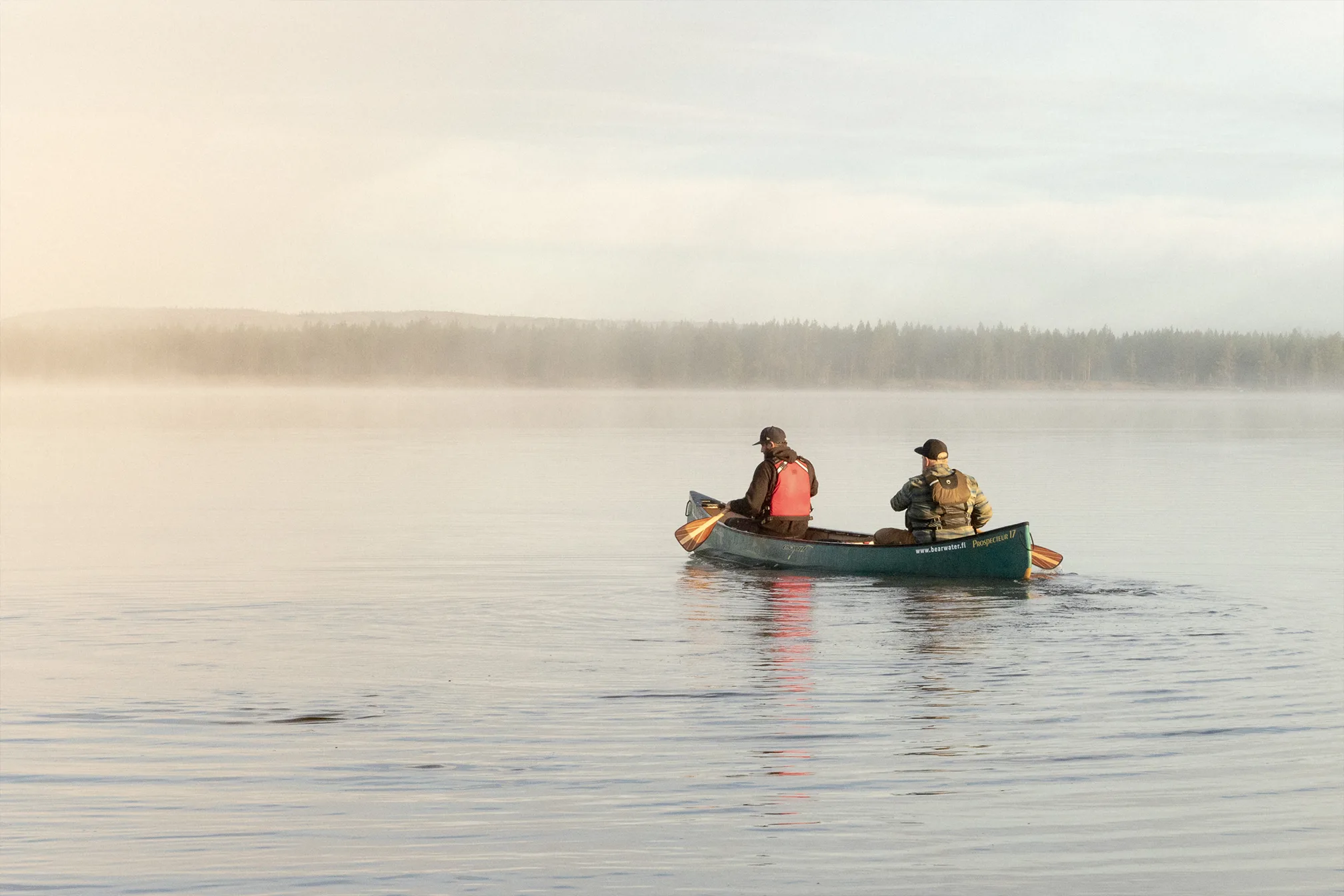
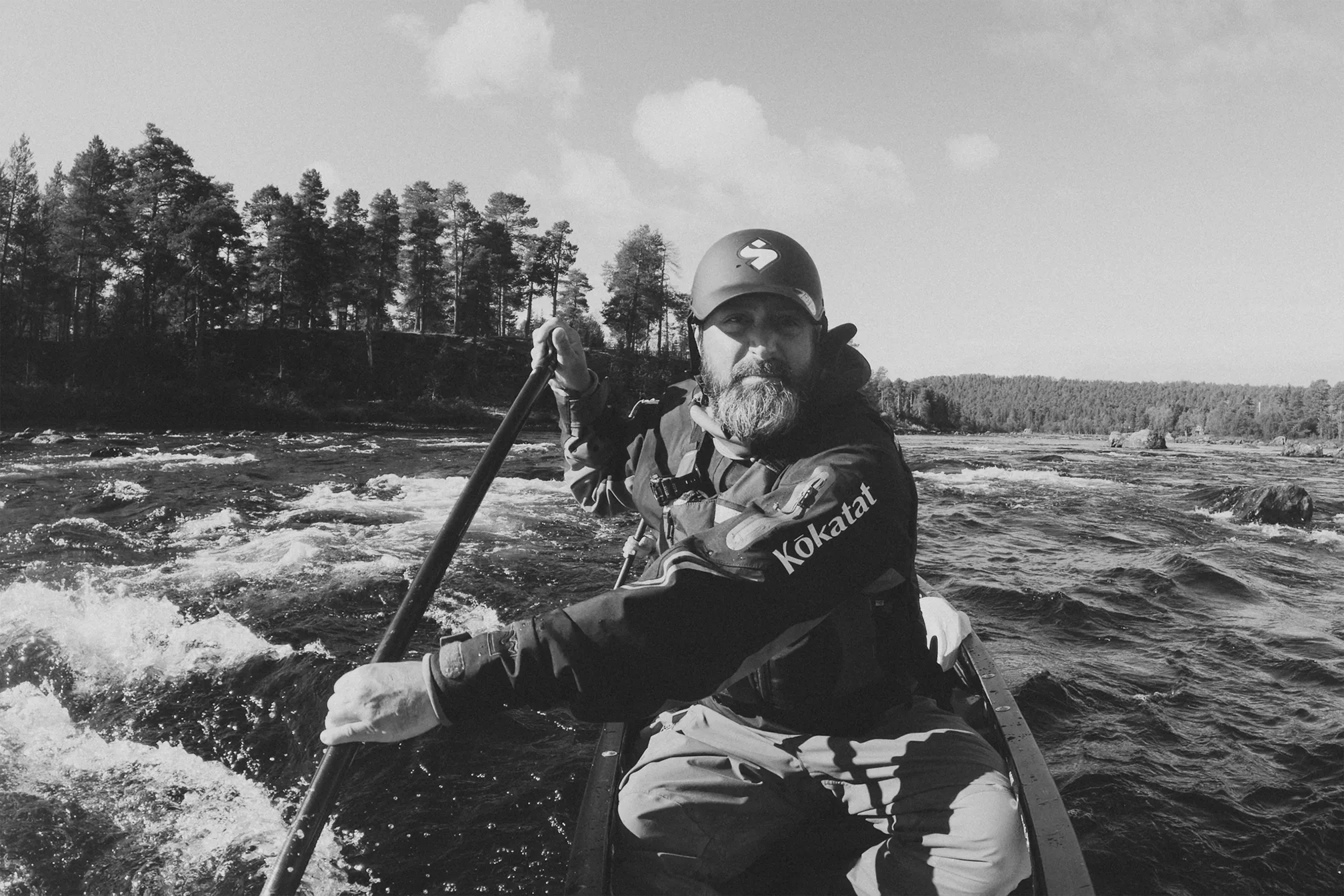
An exceptional adventure in Finnish and Norwegian Lapland: 350 km by canoe over 21 days, deep within the Arctic Circle, from the Lemmenjoki River to the Barents Sea, via Lake Inari and the Vätsäri region.
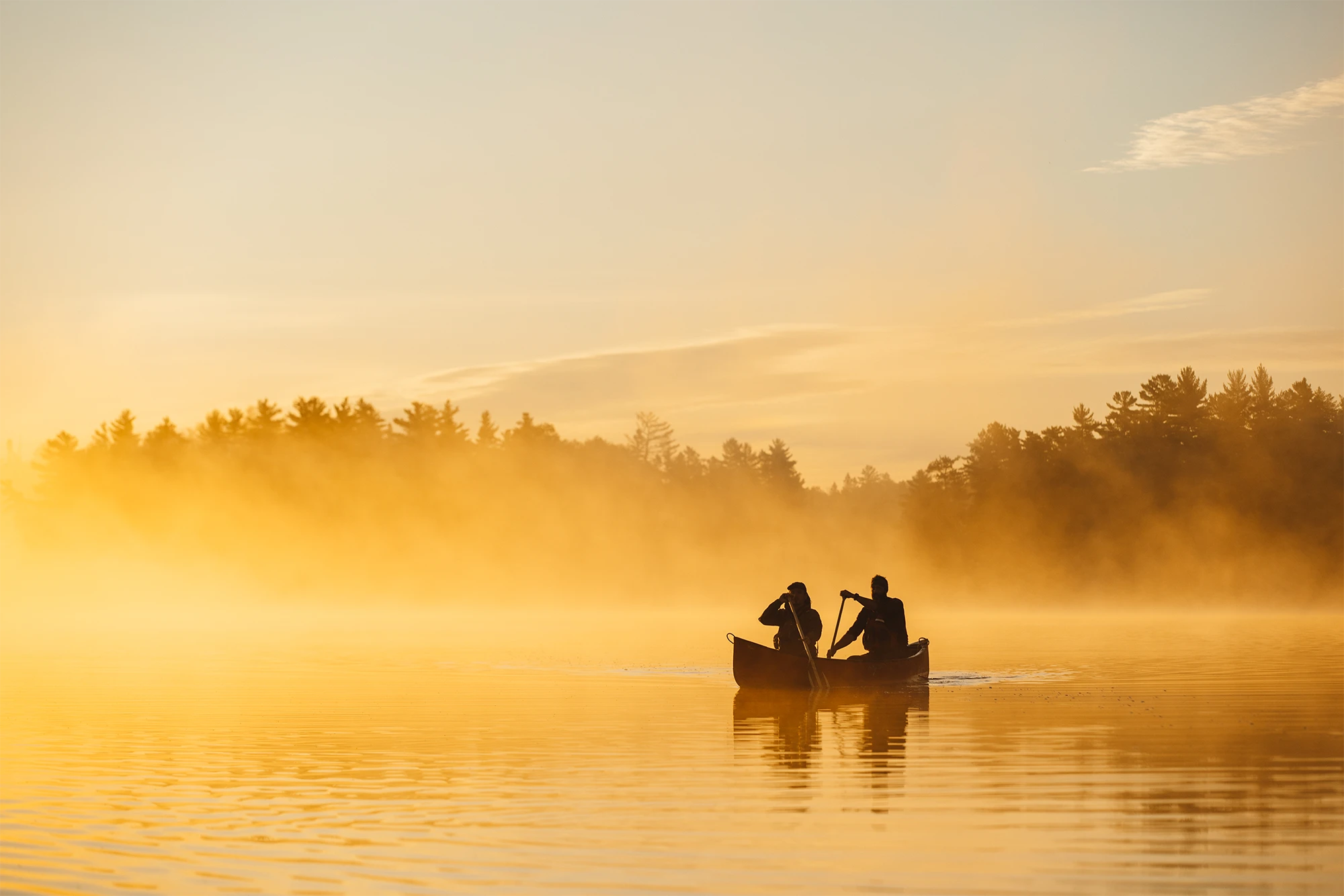
Moose Tracks Under Water : A nine-day canoe trip in search of moose.
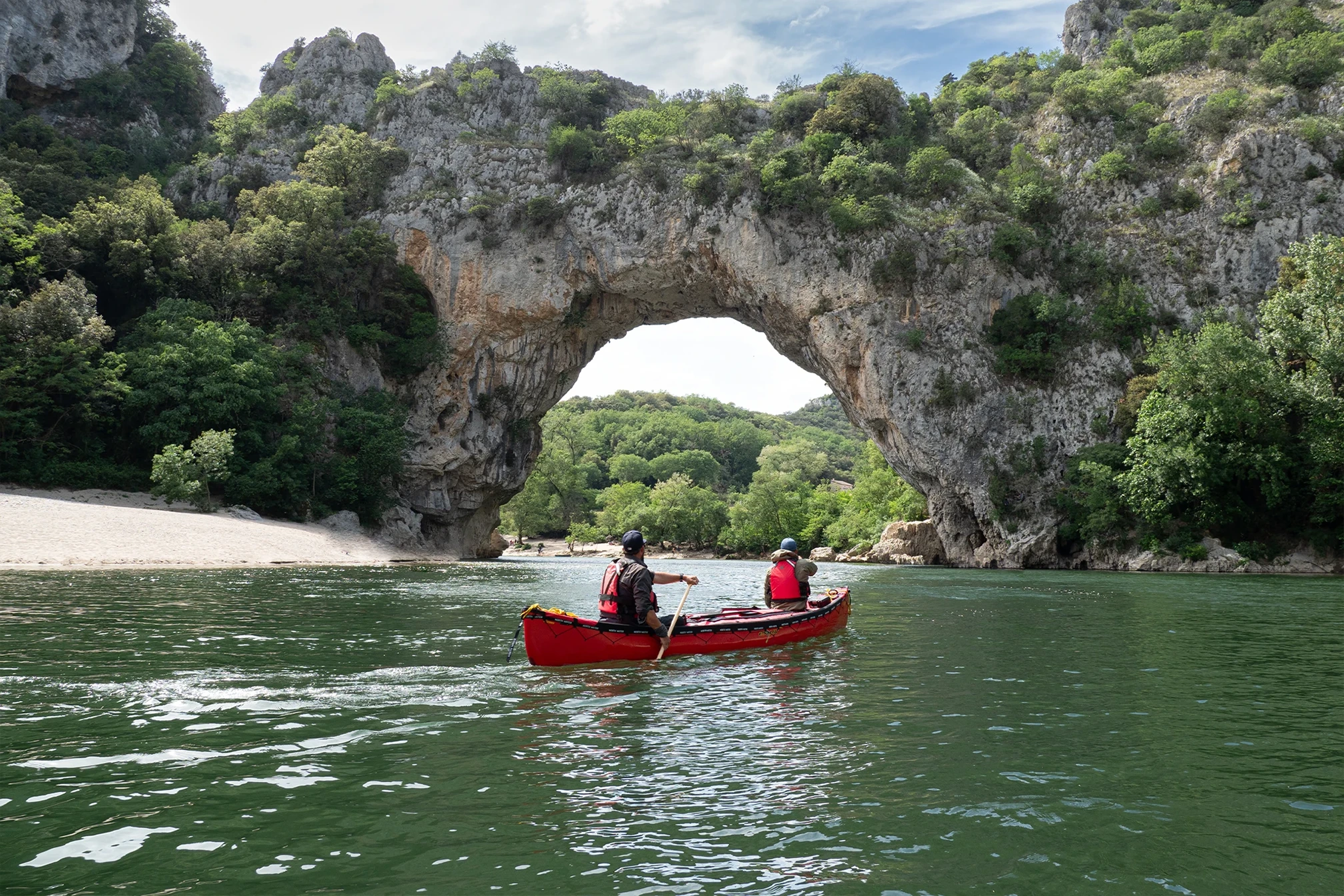
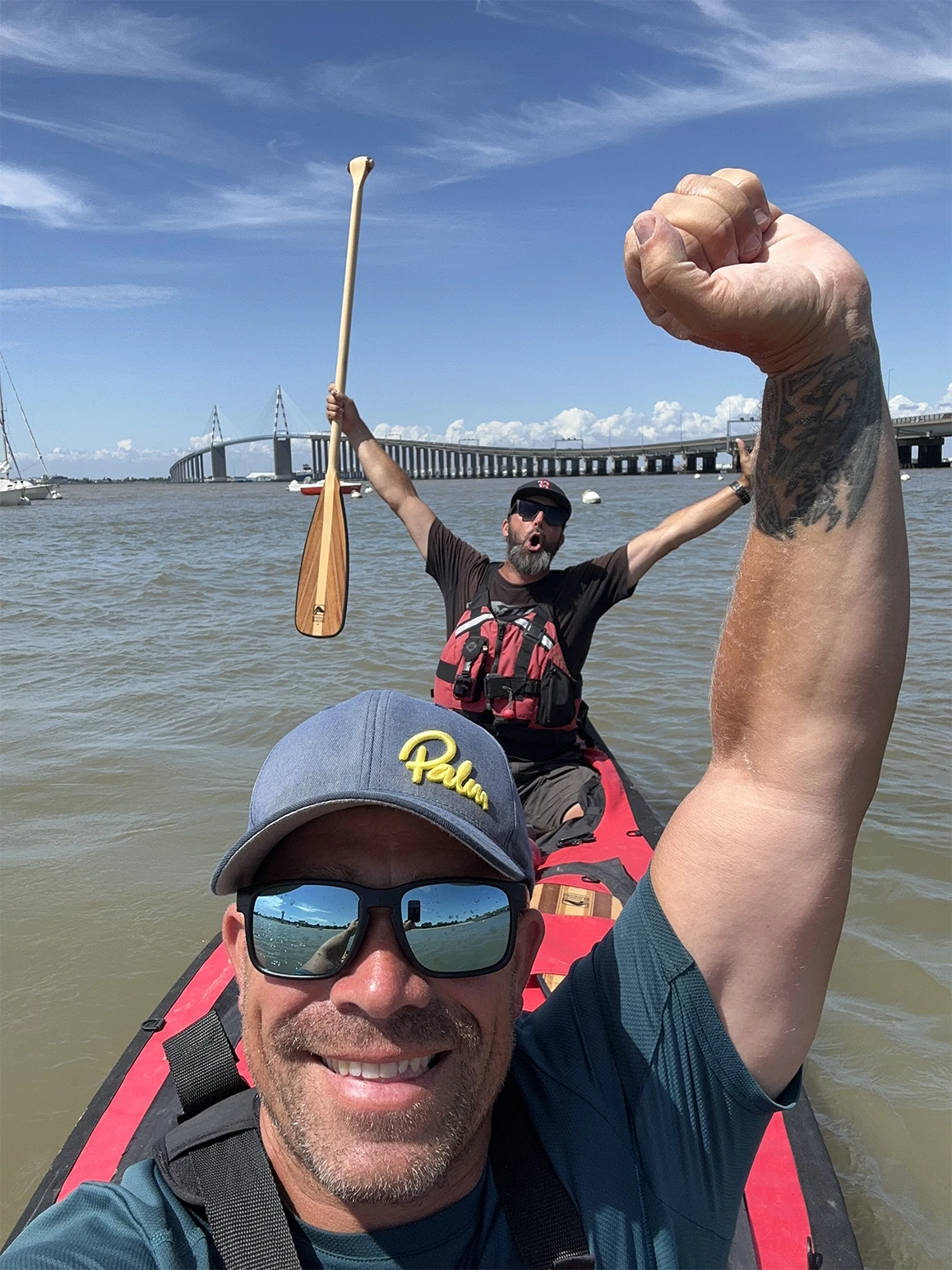
A journey across France from Geneva, Switzerland, to the Atlantic Ocean at Saint-Brevin-les-Pins, through a country rich in history. A 37-day expedition covering 1,500 km.
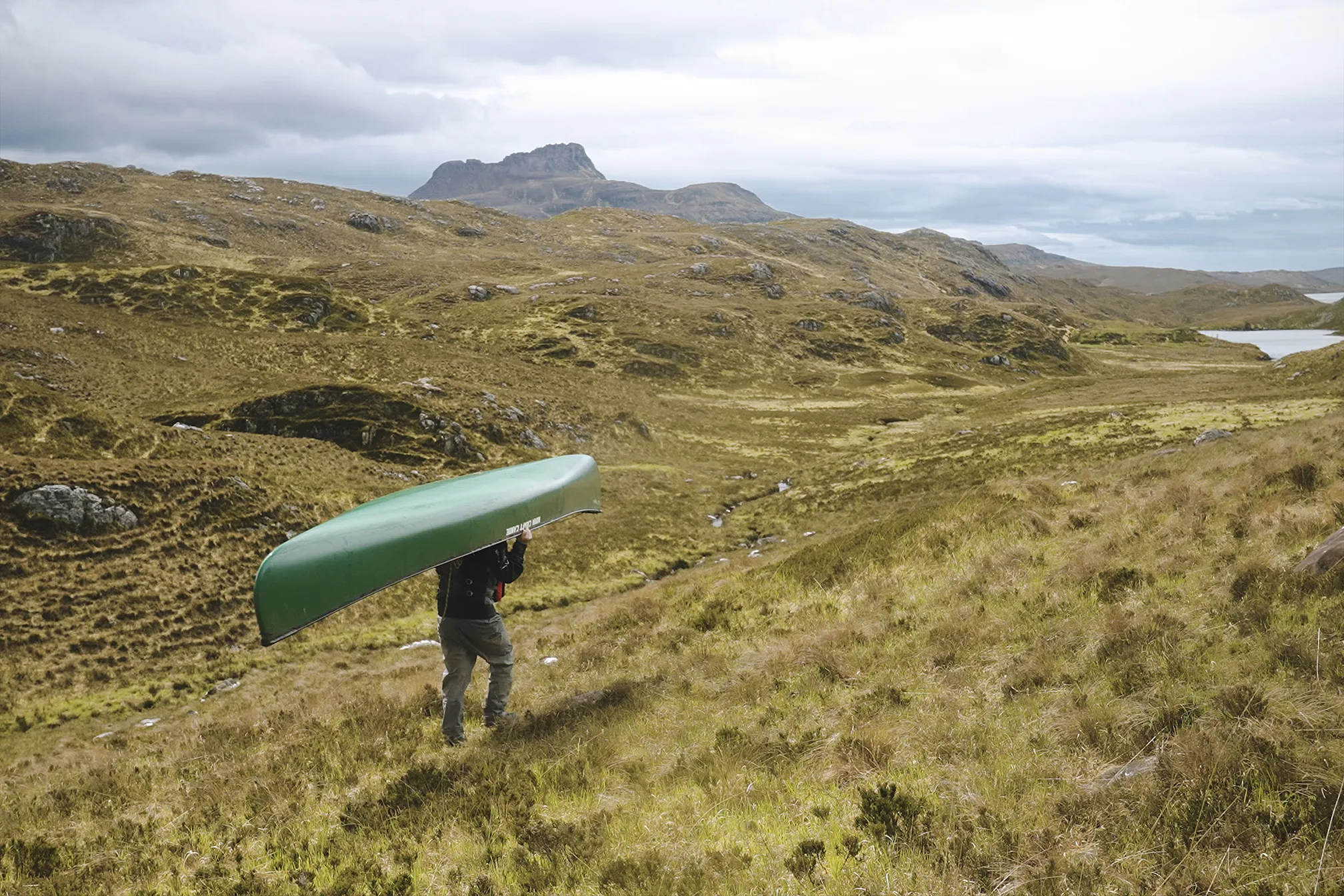
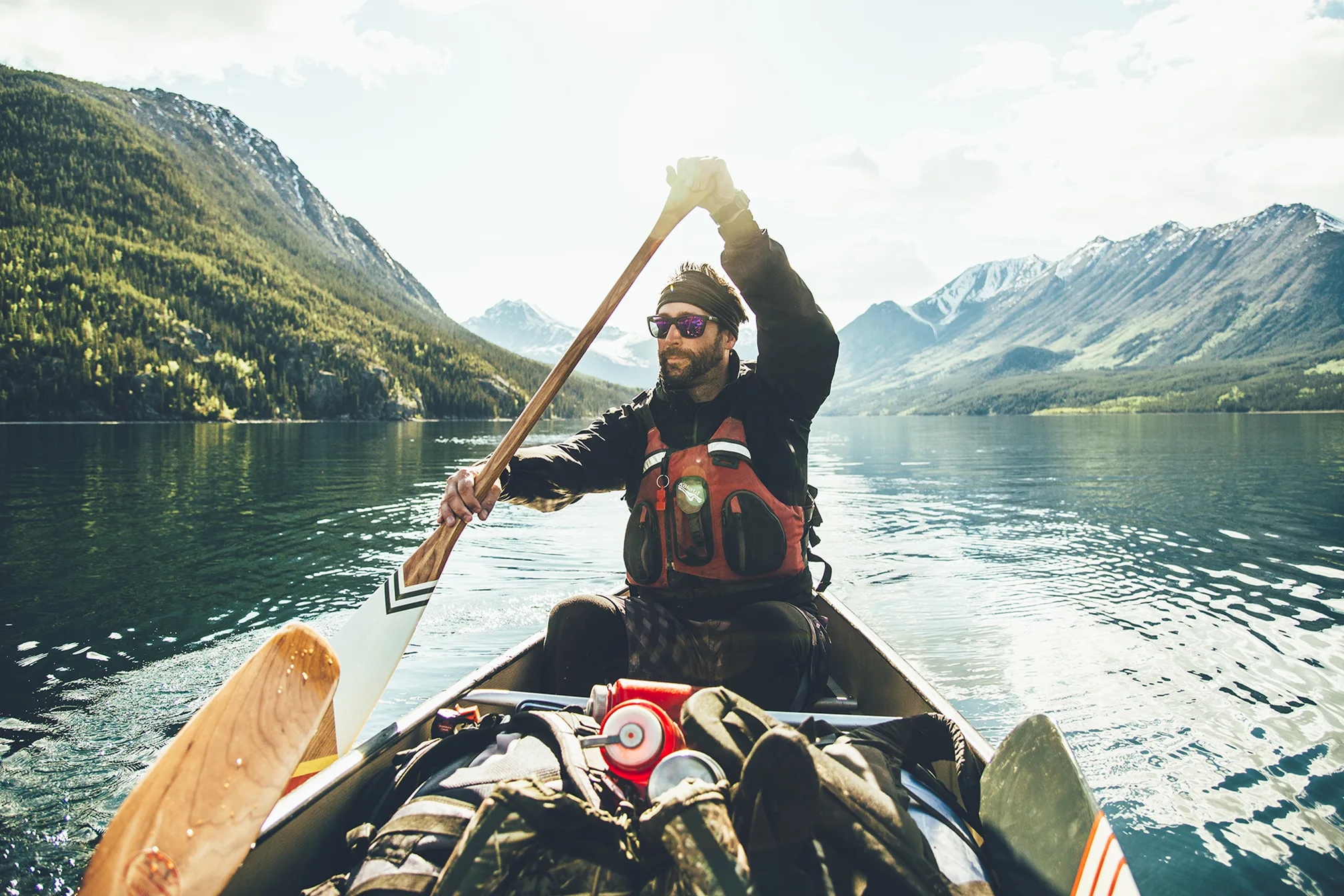
Finding purpose, identity, and perspective through canoe expeditions.
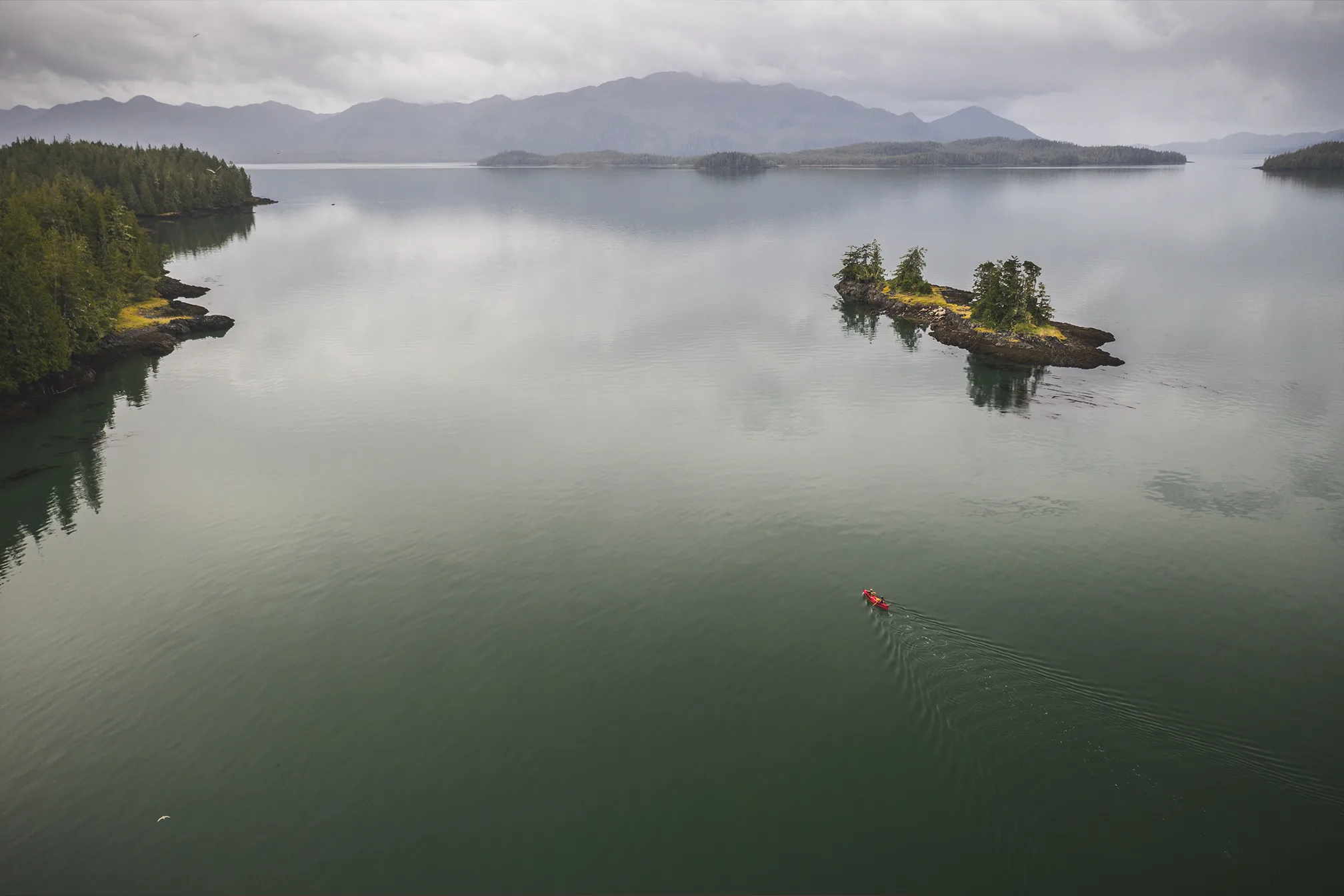
From Terrace on the Skeena River to the Pacific coast, then through the Great Bear Rainforest in the heart of the Coast Mountains to Kitimat along the Inside Passage. An immersion among giants, in a world in constant motion.
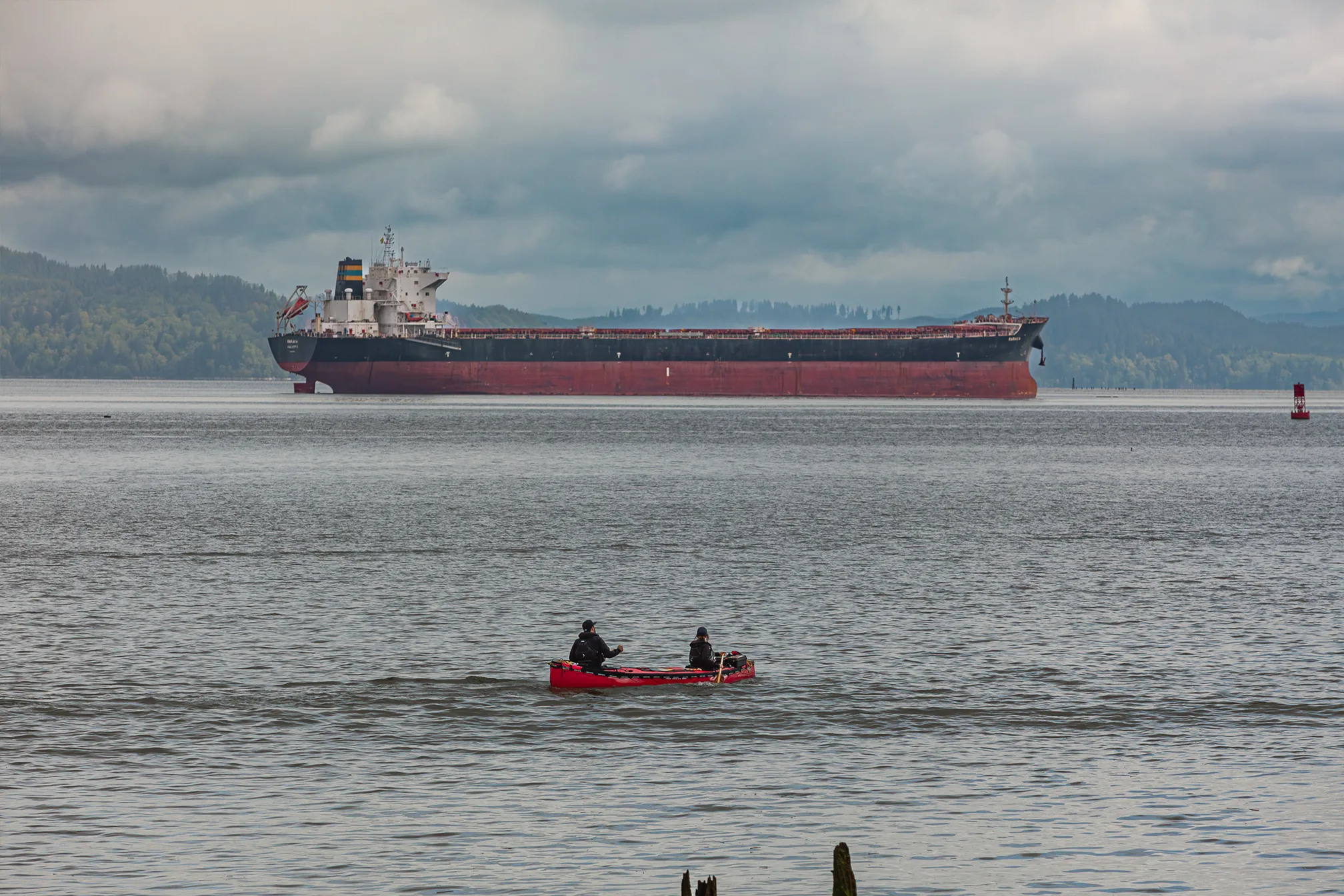
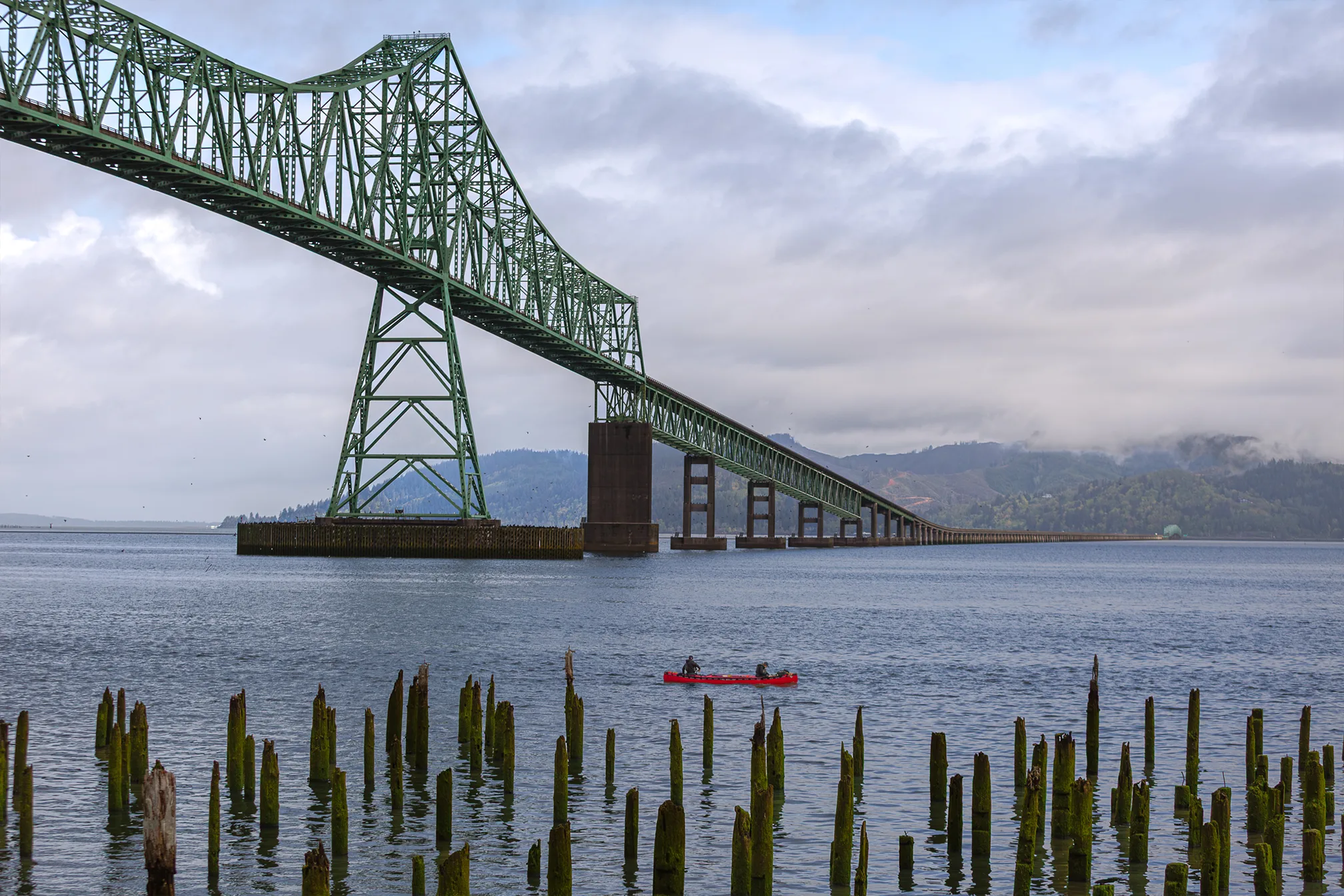
A 7,500 km canoe journey across a vast portion of the United States, linking the Pacific Ocean at Astoria, Oregon, to the Atlantic Ocean at Key Largo, Florida. A 190-day expedition through a country of remarkable beauty.
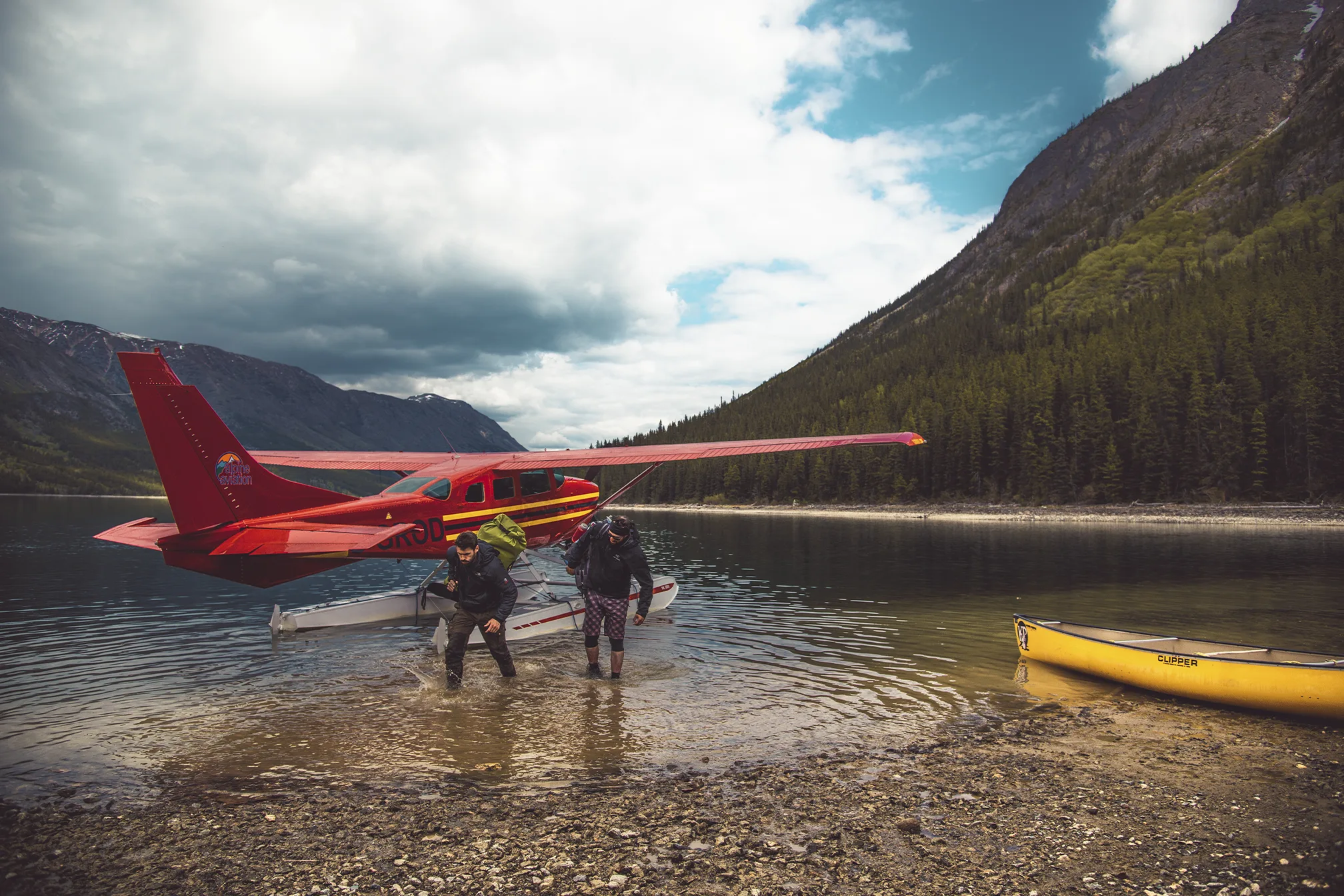
From Lake Bennett in British Columbia to the Bering Sea in Alaska, this 68-day, 3,200 km expedition followed the legendary course of the Yukon River. A complete immersion in the heart of a wild landscape.
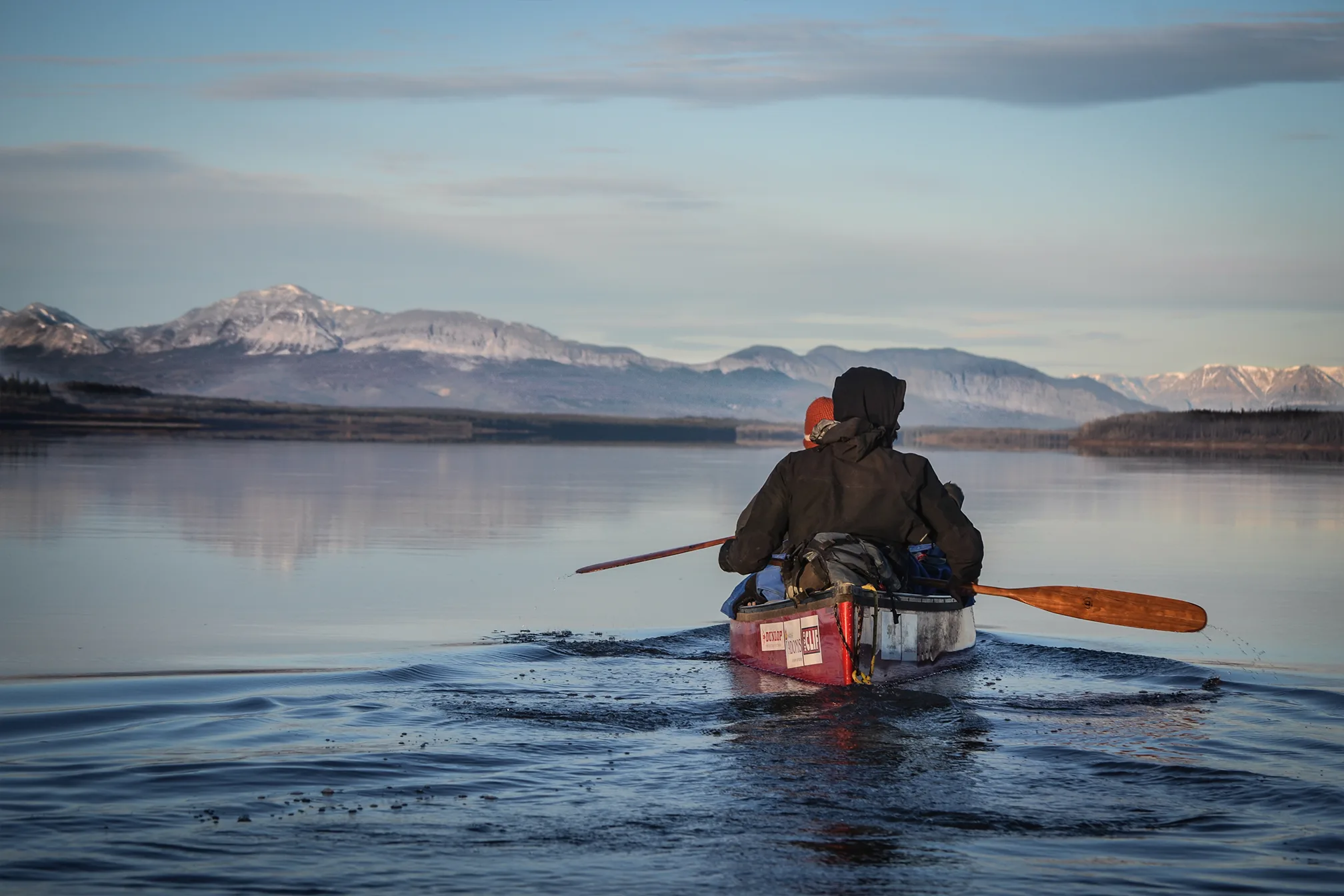
A canoe journey across a vast portion of Canada, tracing a sweeping diagonal through the world’s second-largest country. A 175-day expedition covering 7,000 km, including 117 portages and 13 resupplies.
Films & Videos
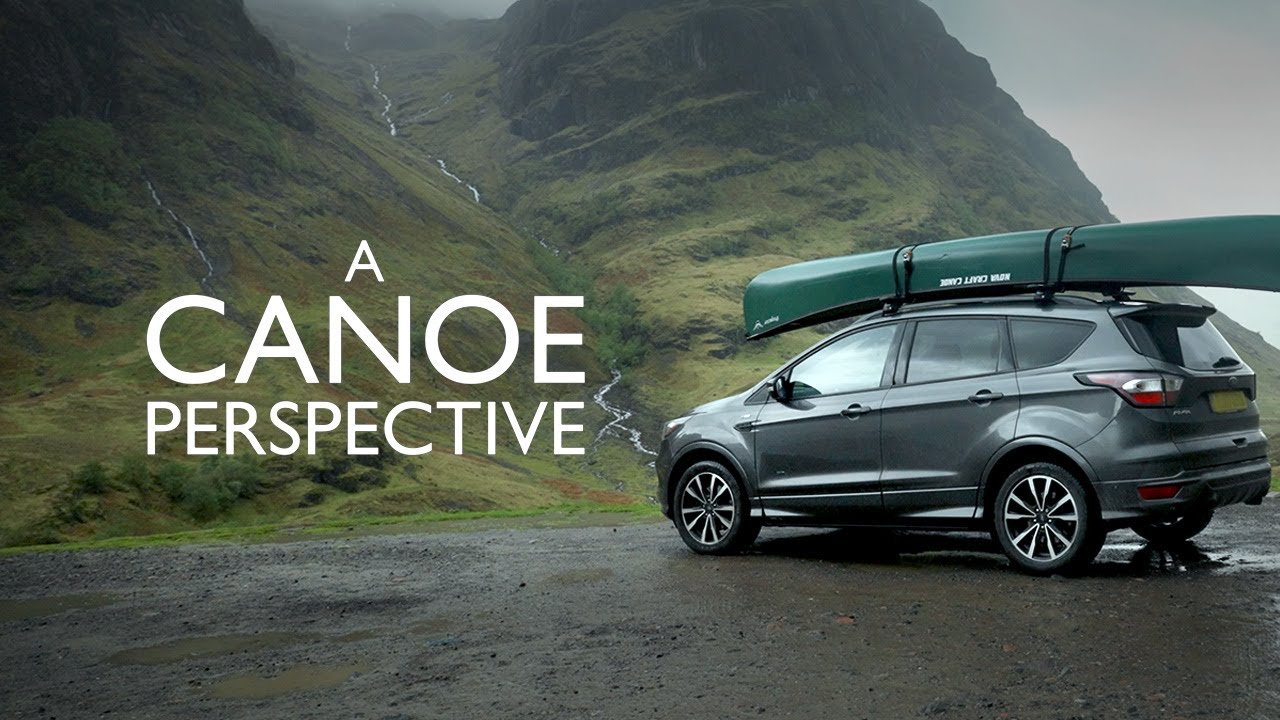
Finding purpose, identity, and perspective through canoe expeditions.
Watch video →
A visual and poetic reflection on the relationship between the canoe, movement and nature.
Watch video →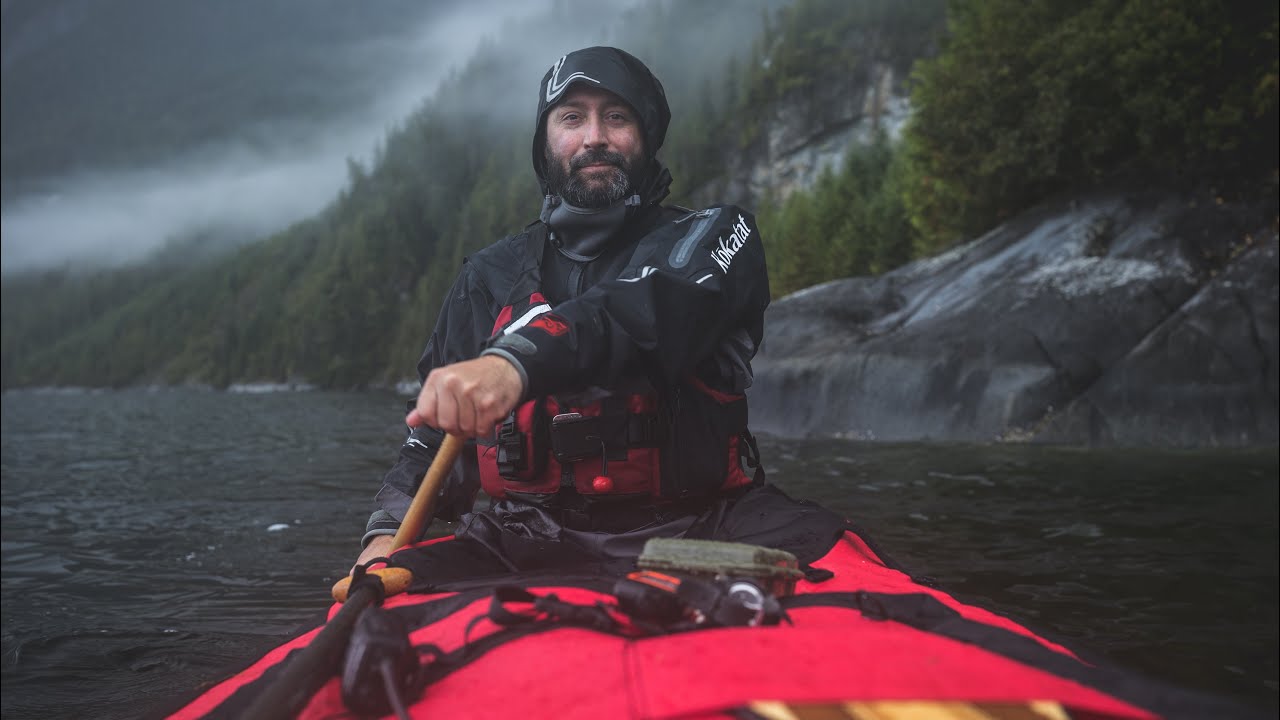
Paddling among giants: from the Skeena River to the Pacific Ocean.
Watch video →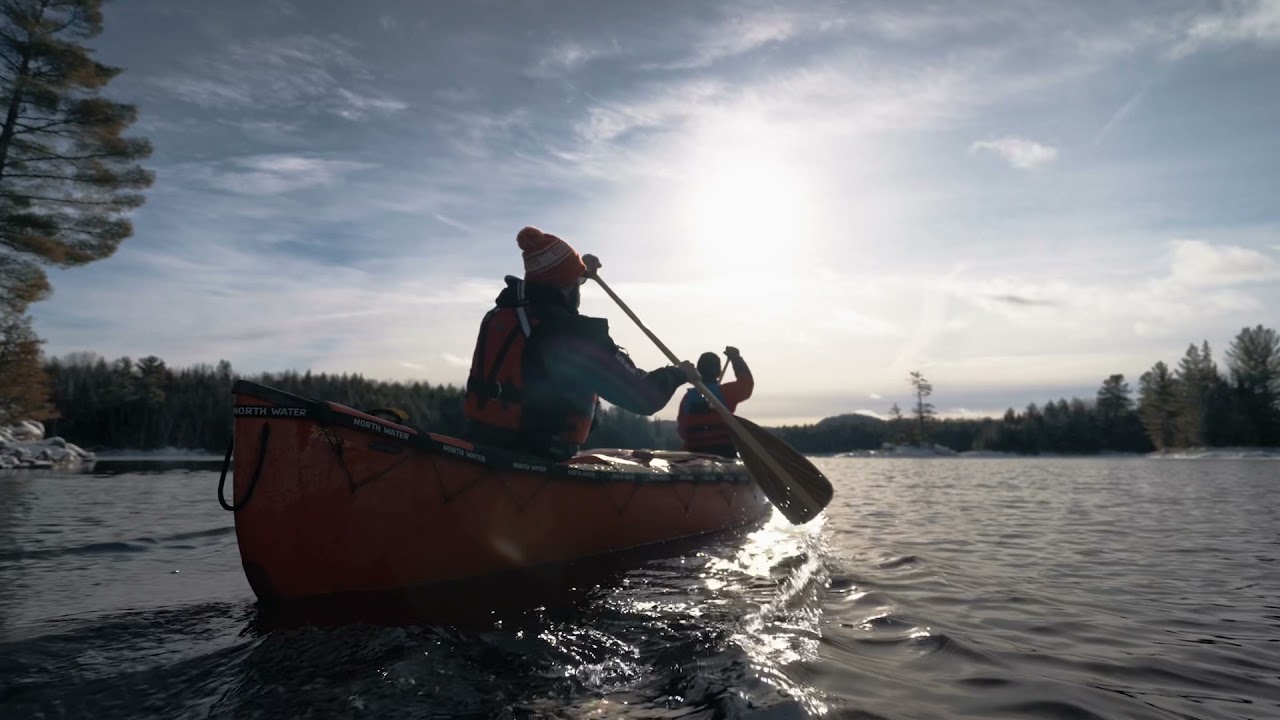
A reflection on climate change and the gradual disappearance of northern winters.
Watch video →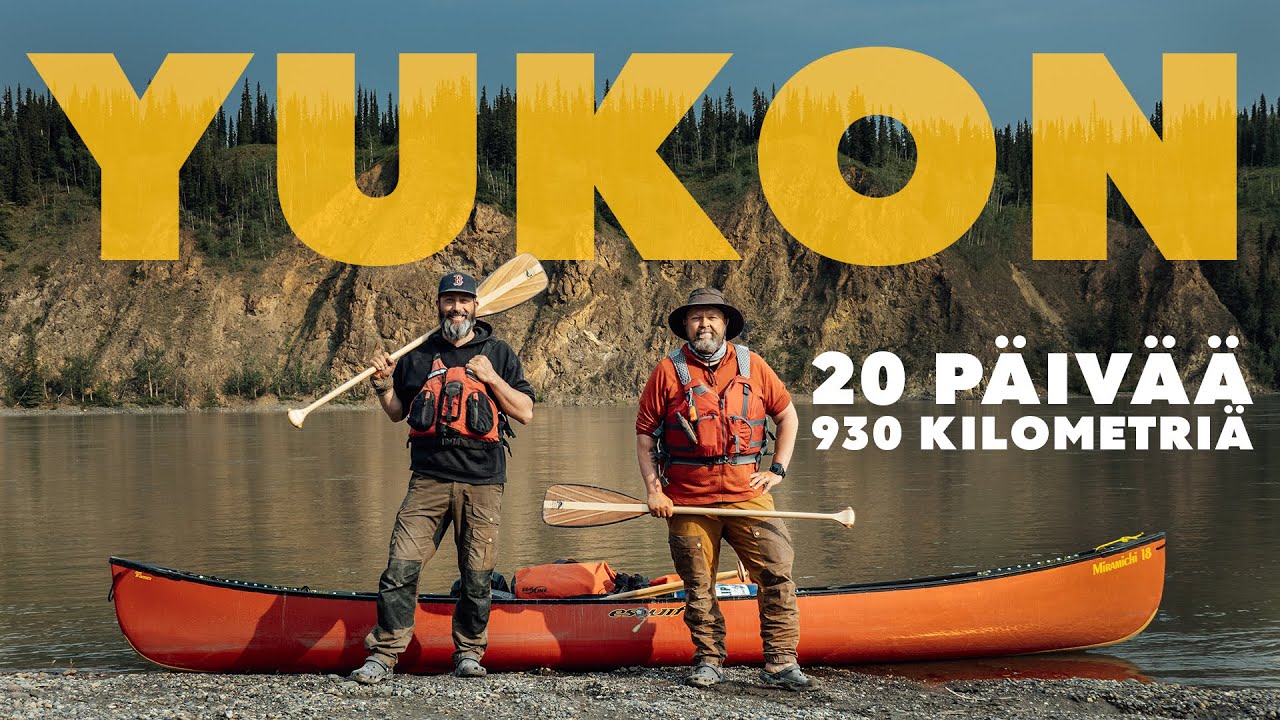
Paddling the legendary Yukon River from Atlin Lake to Dawson City.
Watch video →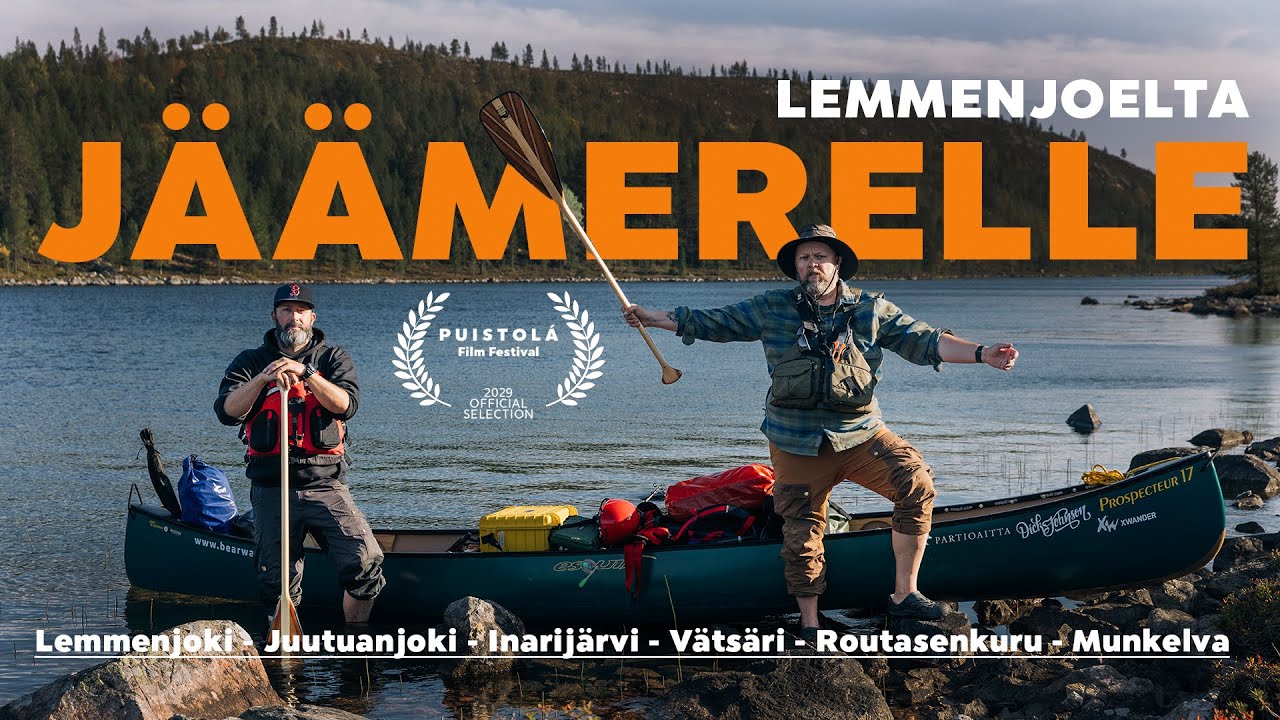
350 km through the wilderness of Lapland.
Watch video →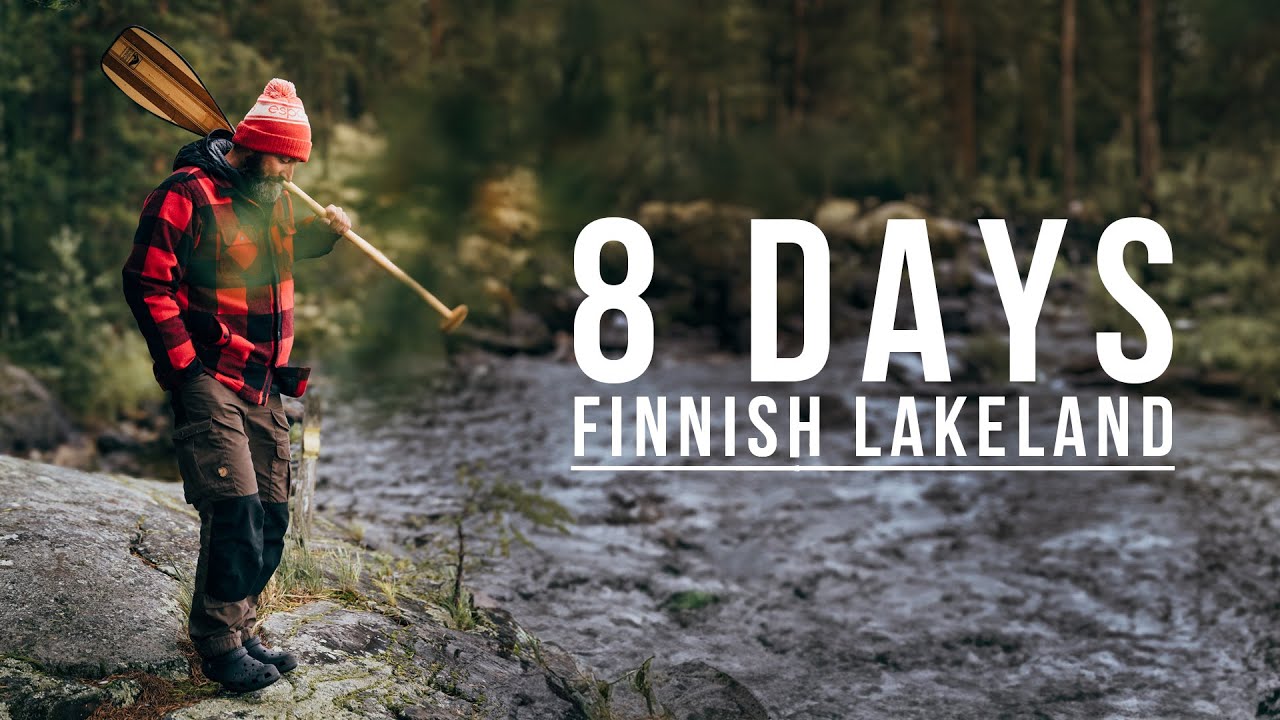
An immersive adventure in the wild expanses of Finland.
Watch video →Gear
Here is the gear and equipment I rely on for my canoeing expeditions. Over the years and after paddling thousands of kilometers, I’ve learned to prioritize gear that’s reliable, durable, and suited to the realities of the terrain.


Expedition 1
2027 · Canada
La grande traversée à venir. Cette section servira de page principale pour raconter l’expédition, présenter le contexte, le trajet, l’équipe et renvoyer vers le suivi Garmin en direct.
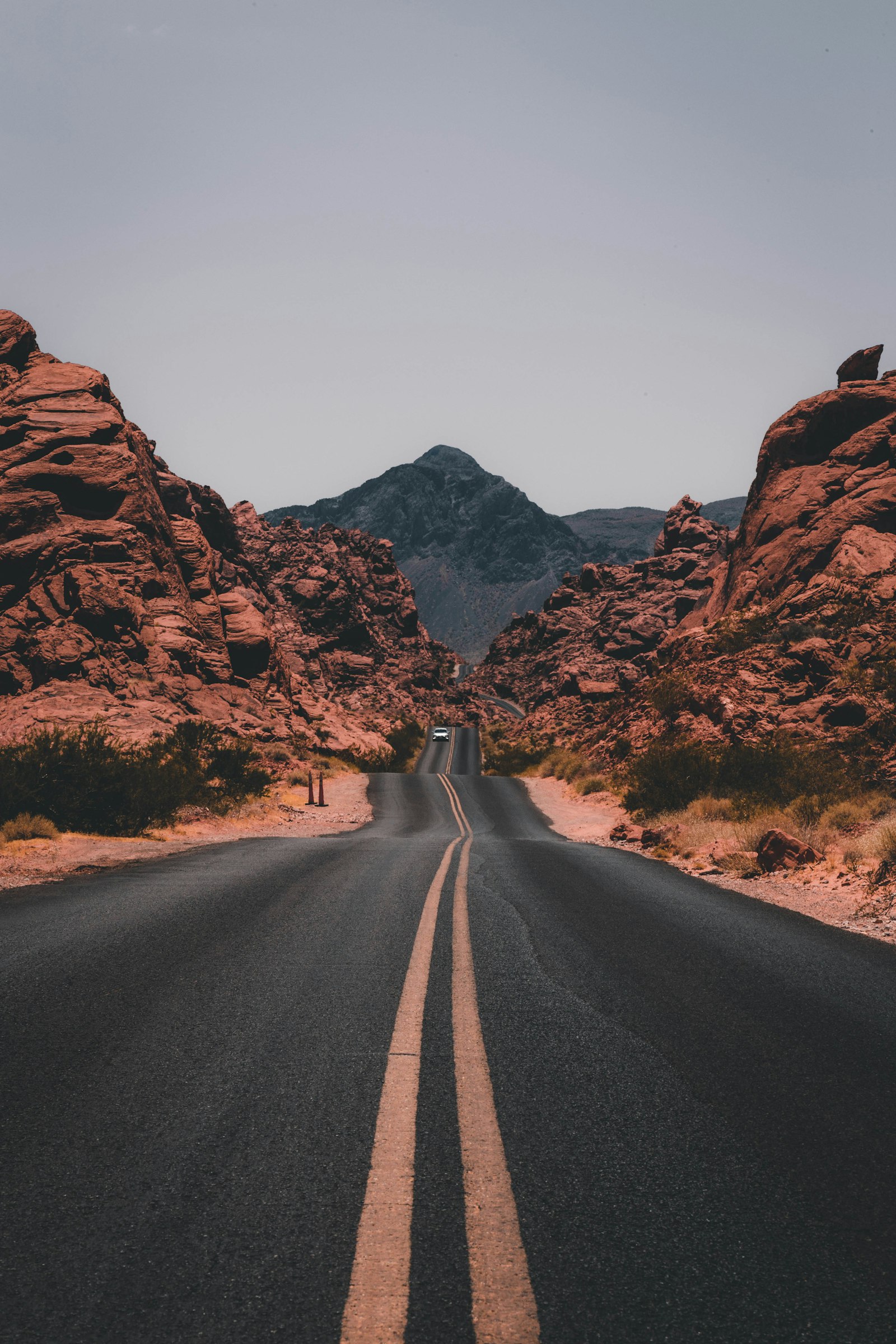

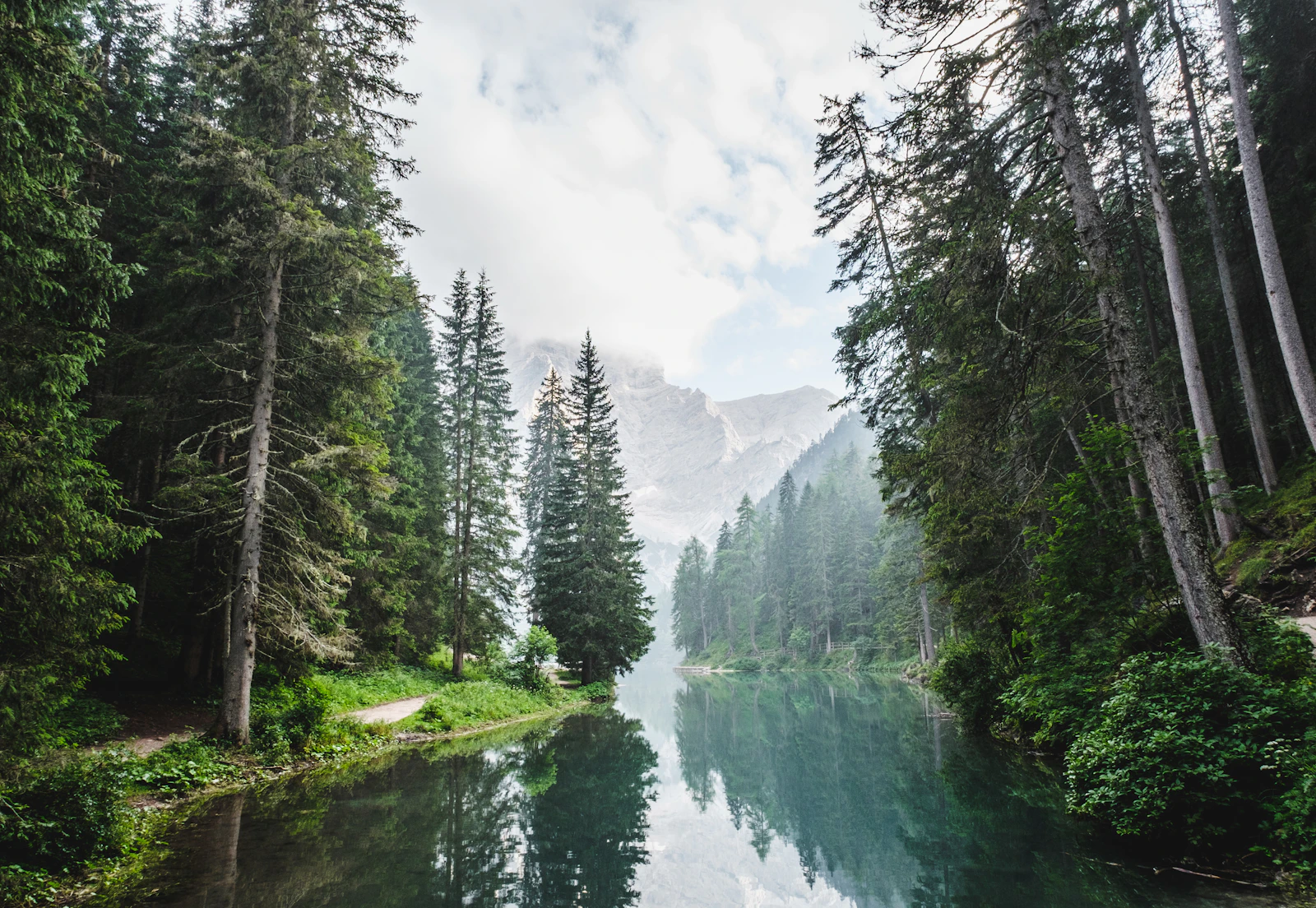
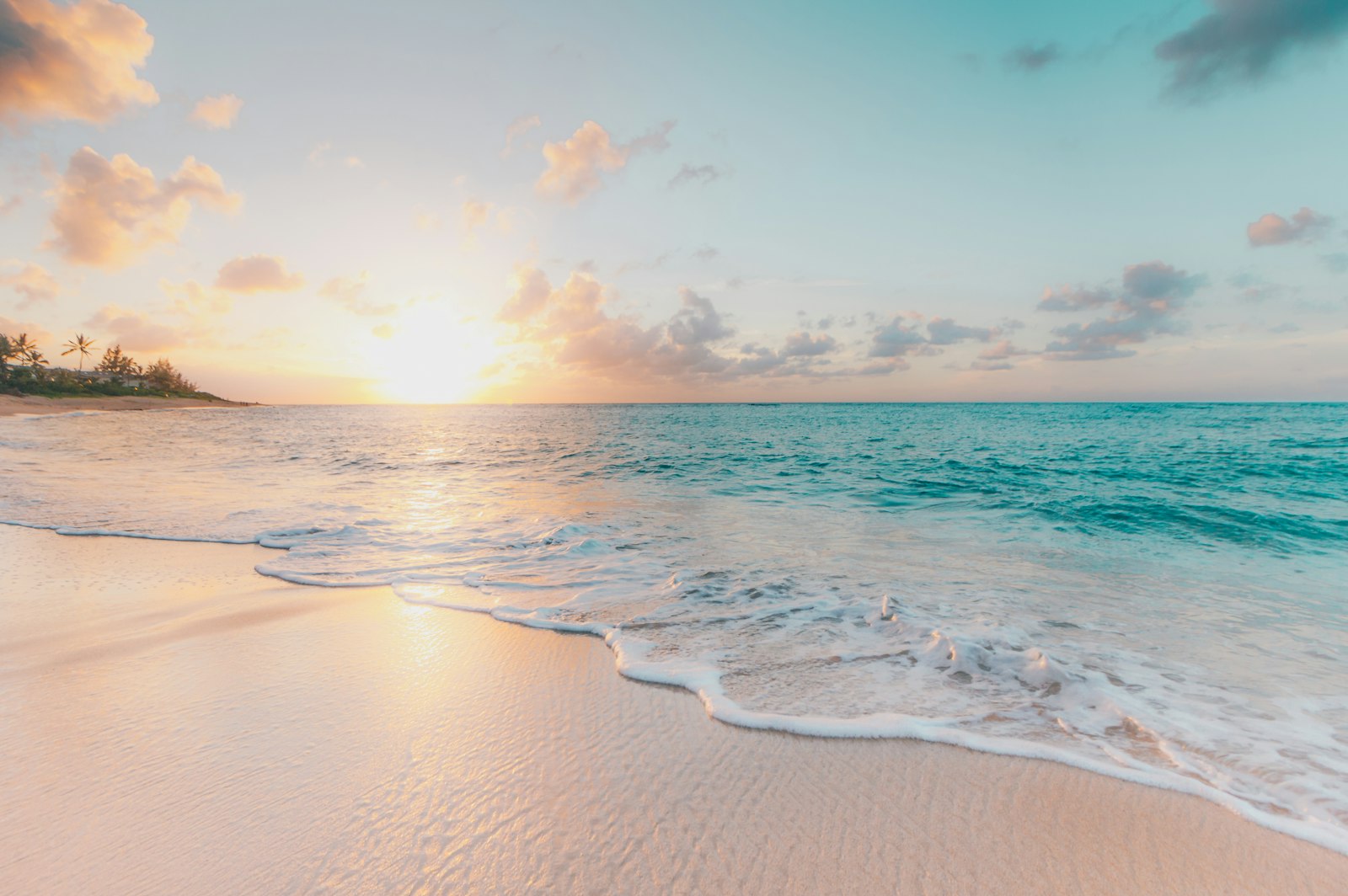
Photo credit: @photographe
Expedition 9
2025 · Yukon
From Atlin Lake in British Columbia to Dawson City in Yukon, this 20-day, 900 km journey followed part of the historic Klondike Gold Rush route. Learn more ↓
Full Story
"No one paddles the same river twice, for he is not the same man, and it is not the same river (Heraclitus)."
This river holds a special place in my heart. Back in 2016, along with Canadian filmmaker and polar explorer Caroline Côté, British expedition leader & writer Ian Finch and American photographer Jay Kolsch, we paddled the Yukon River from Bennett Lake in British Columbia to Emmonak in Alaska.
During that expedition, Finch and Côté produced a documentary that shares stories of the Indigenous communities that still live along the river and how the modern world and shifting environment is changing their traditional ways of living on the Yukon River. Kolsch documented the expedition with his photography. The film Pull of the North is available on Amazon Prime.
Some paddlers choose never to paddle the same river twice, reasoning that with so many beautiful rivers to experience, each adventure can offer a new and unique journey. That’s not my approach. I find value in returning, seeing how both the river and I have changed.
The waters are constantly moving, reshaping the current and we too are never the same. Each stroke carries a new version of ourselves into a river that has already changed. Both the river and the paddler are in perpetual transformation. The flowing waters and our evolving experiences ensure that each encounter with the river is fundamentally different from the previous one.
That is why my return to the Yukon River felt both familiar and entirely different. In May 2025, I found myself back on its waters for a second time—but both the river and I had changed. I approached this journey with a fundamentally different mindset: prioritizing learning, honoring the landscape, embracing gratitude for the experience, and consciously setting aside my ego.
It was equally remarkable to experience the Yukon River through a different perspective—especially as it marked Antti Vettenranta’s first time in Canada. For those who dream of paddling the Yukon River, Antti’s film of our expedition on YouTube is truly captivating and well worth watching.
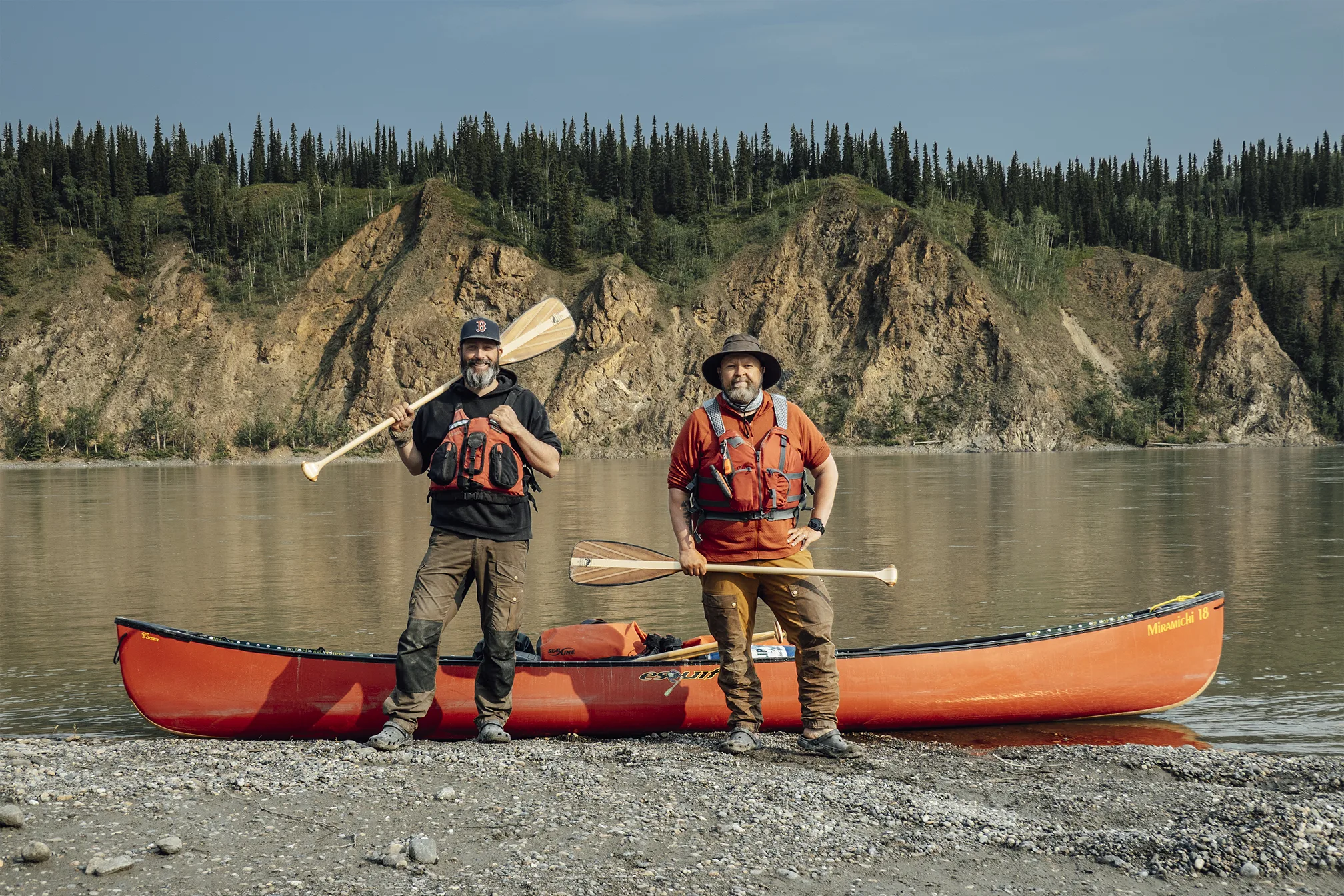
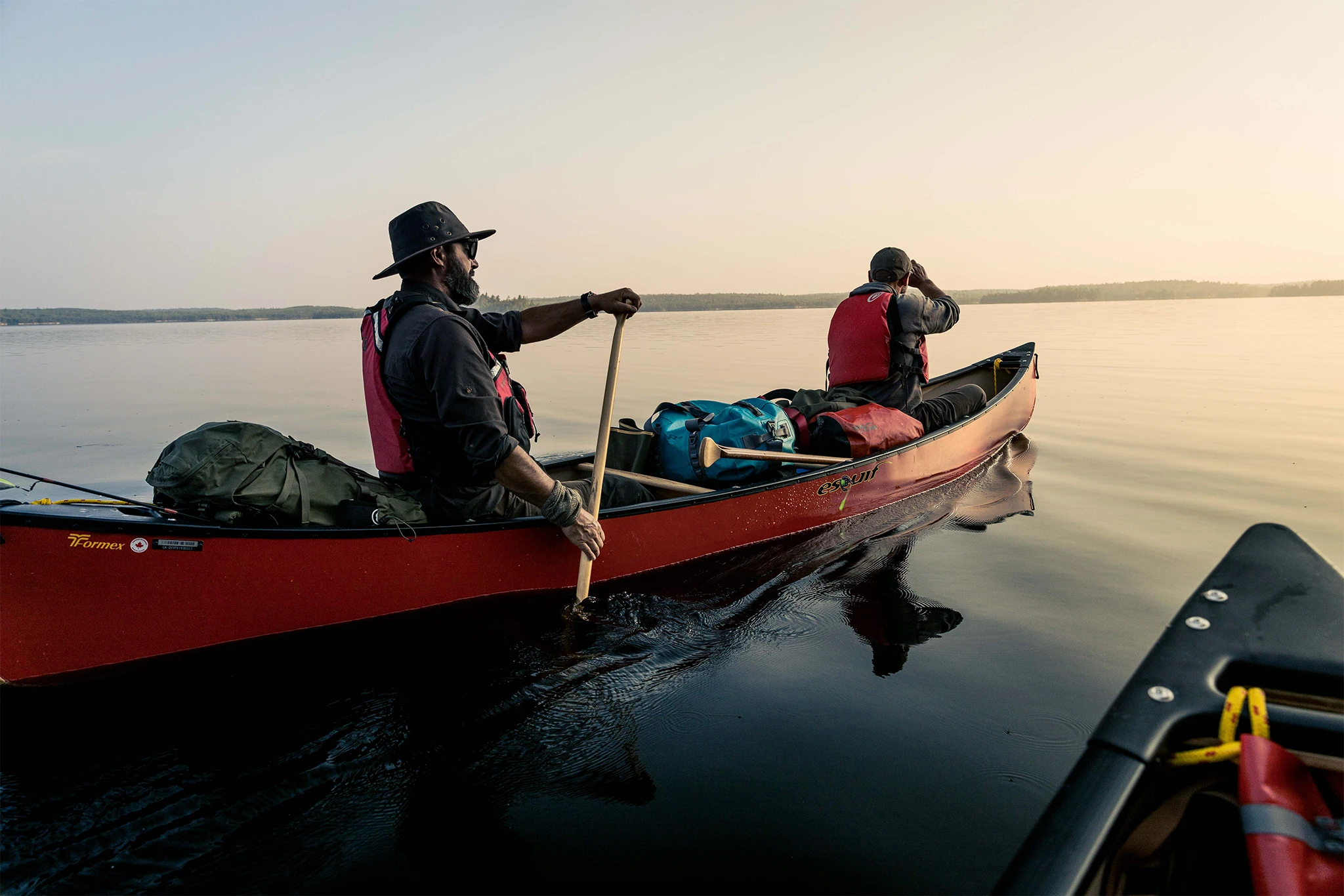
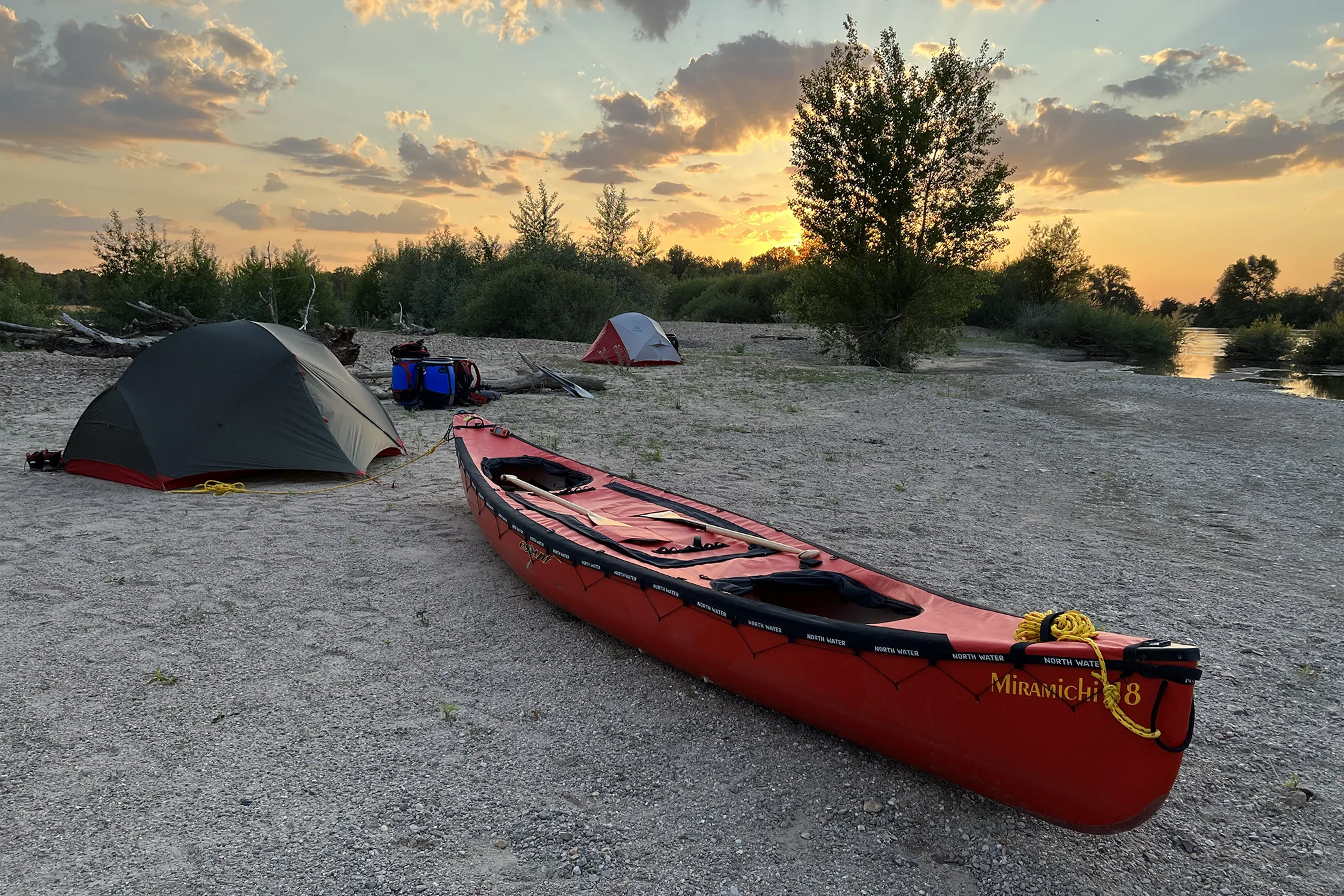
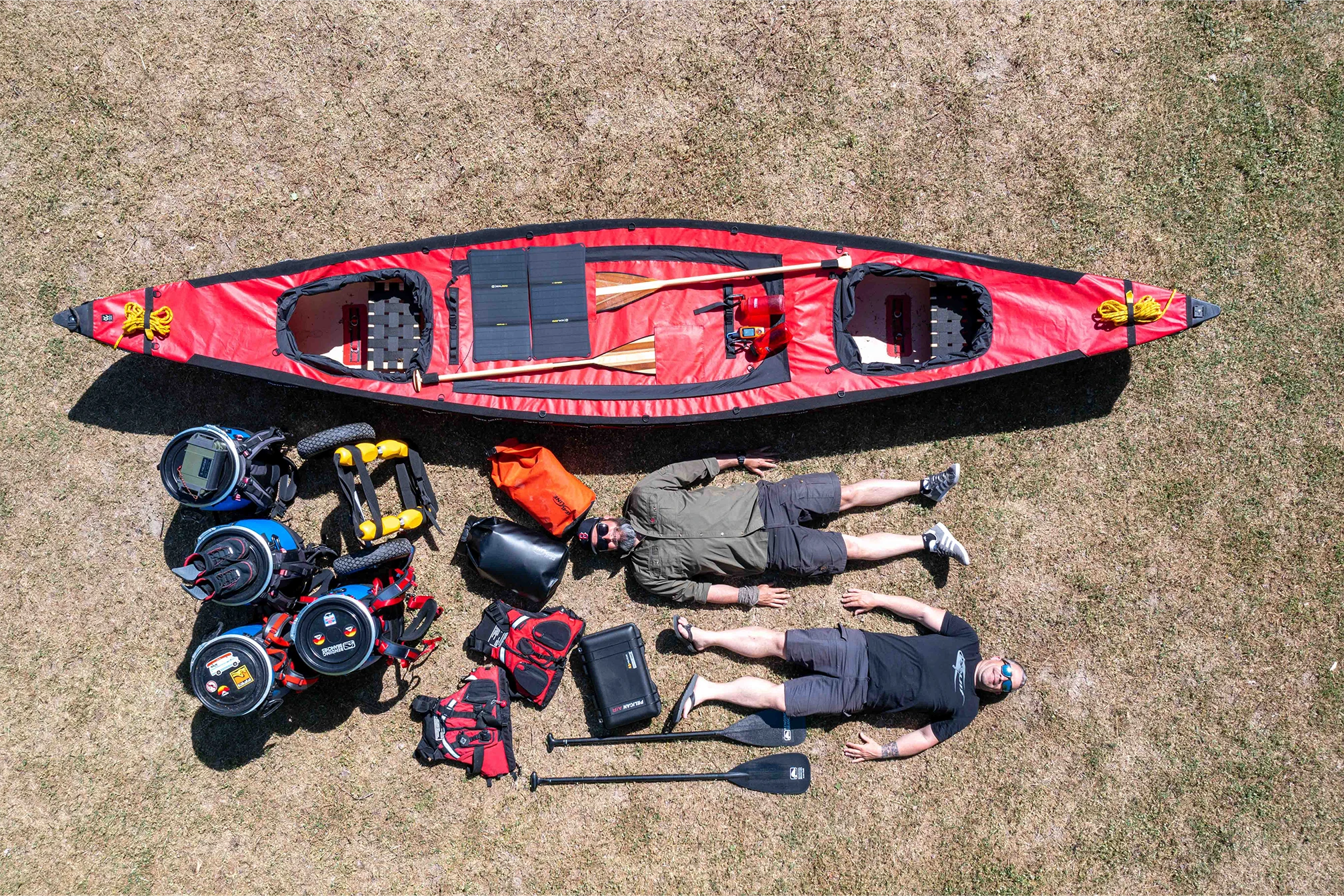
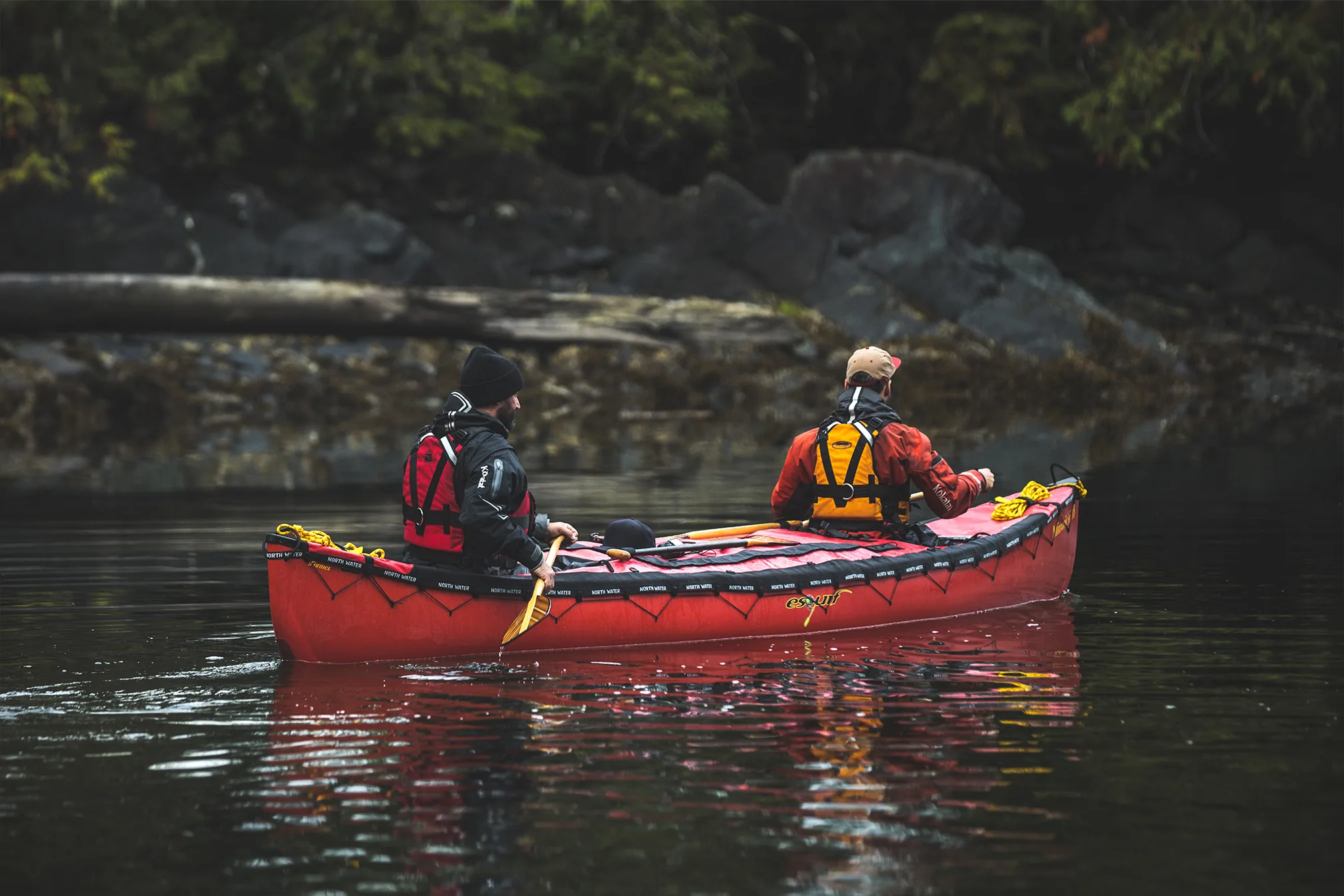
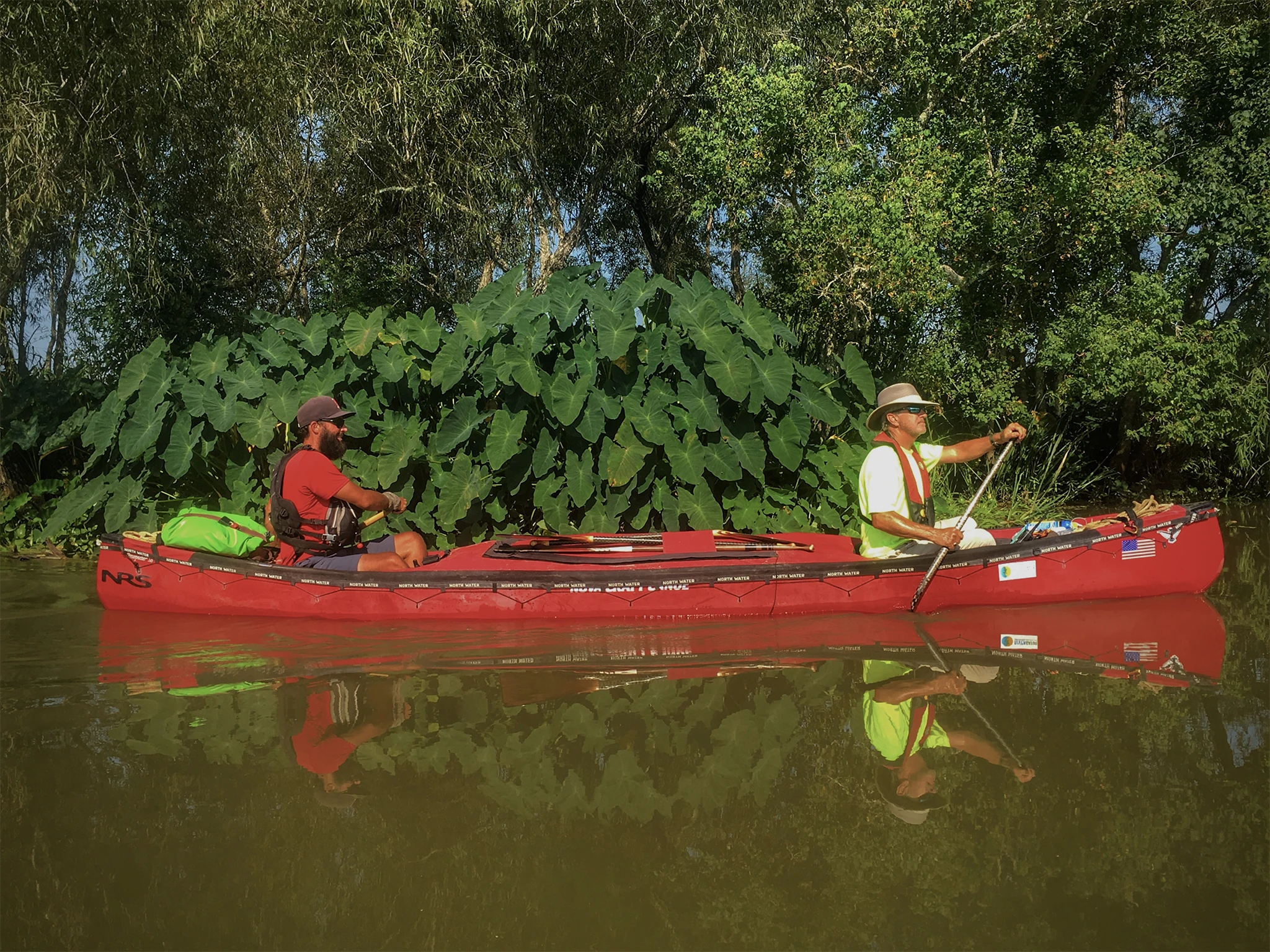
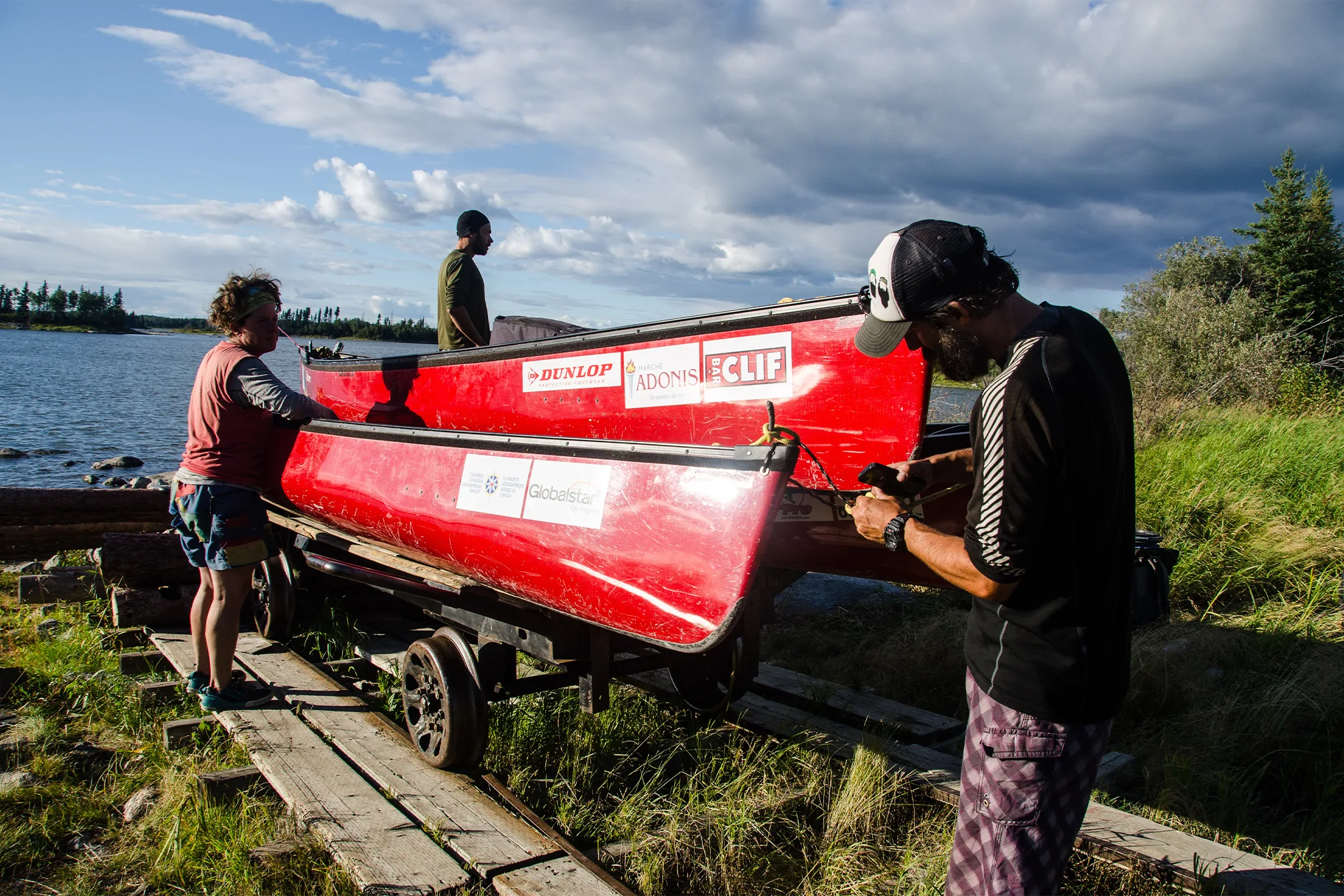
After a full day spent outfitting our 18-foot Esquif Miramichi canoe, stocking up on groceries and organizing both the gear we had flown in with and the equipment shipped ahead by ground mail, we were finally ready to begin our journey. We left Up North Adventures around 11:00 a.m., boarding a shuttle that would take us to Atlin Lake. The 2.5-hour ride passed quickly as we gazed out the windows at the breathtaking northern landscapes, scanning for grizzly bears while listening to our driver’s engaging stories about life in the Yukon.
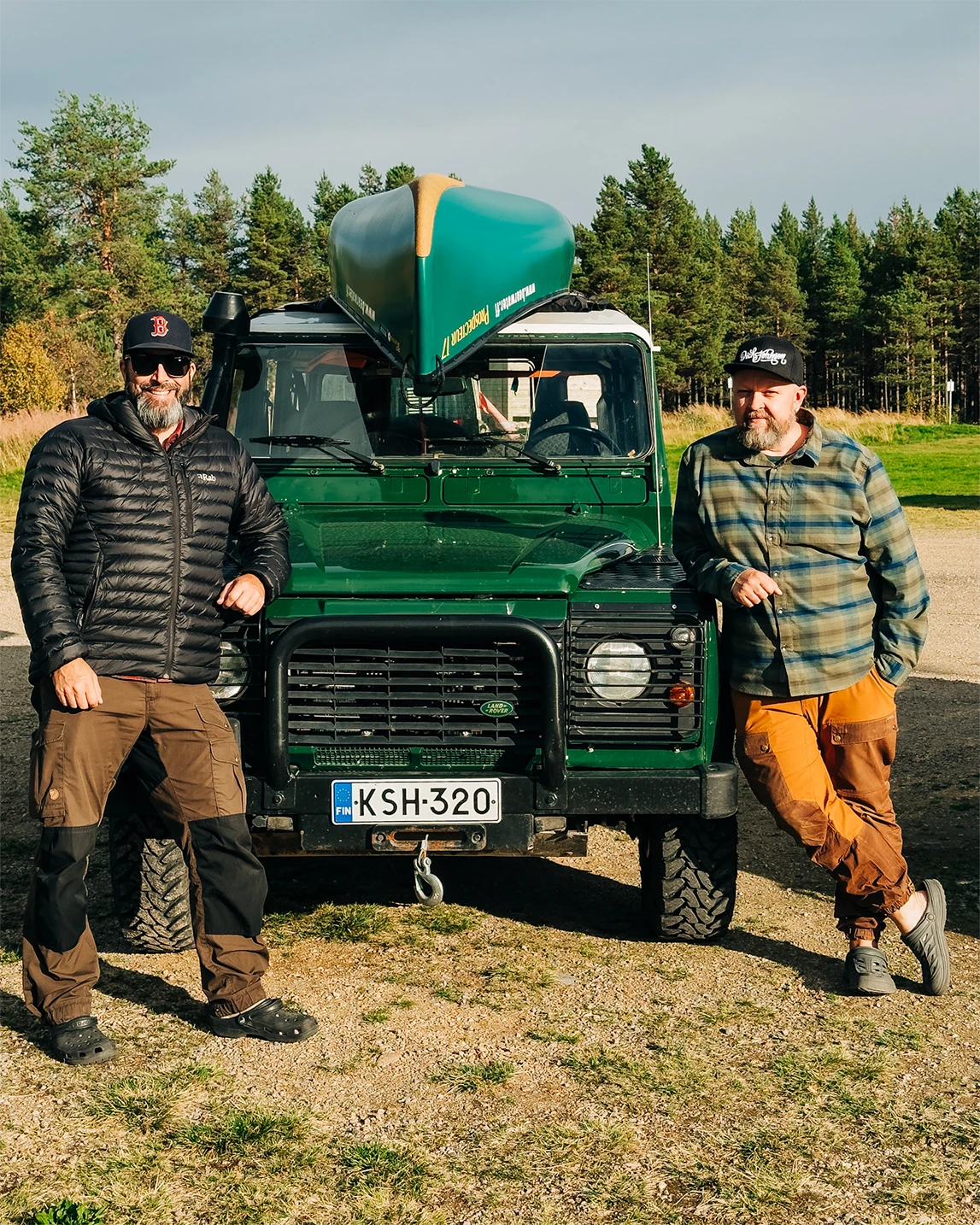
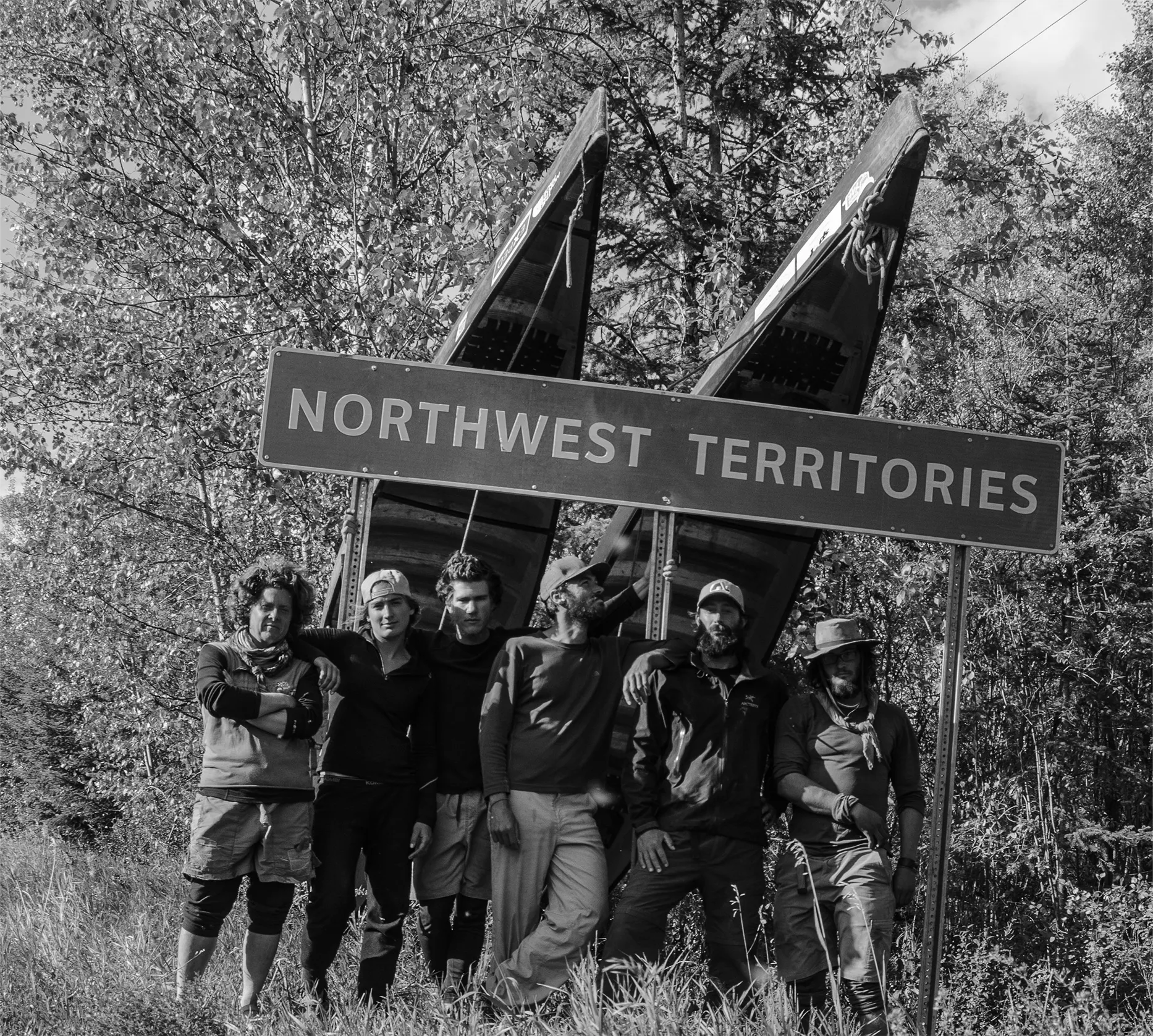
Upon arriving in the small town of Atlin, we wasted no time. The sky was heavy with clouds, and rain felt imminent. Eager to launch, we slipped into our dry suits, loaded the canoe, posed for a team photo and bid farewell to our driver.
I felt a rush of conflicting emotions. We were stepping into a landscape both hostile and awe-inspiring. The lake’s icy waters were as dangerous as they were dazzling, and though wary of grizzly encounters, part of us longed to see one. The wind was sharp and unrelenting, while the views of the glaciers and snow-capped mountains served as spectacular reminders of the thin line between adventure and danger. With the constant threat of hypothermia in mind, we knew the environment would demand our full attention and respect.
Even though we had already completed two great canoe trips together in the past years, we were aware that this expedition would bring its own challenges and test the strength of our friendship in new ways. As we pushed away from shore, I couldn’t help but feel a mix of excitement and humility. With each paddle stroke, we ventured further into the wilderness, where the only sounds were the wind and our quiet expressions of contentment. This first day set the tone for what lay ahead, a journey shaped not just by km and landscapes, but by the resilience, patience and teamwork it would require. The adventure had truly begun. 930km to go / Altitude 670 meters
The Atlin River is 8 kilometers long, flowing from Atlin Lake into Graham Inlet, British Columbia. Before the expedition, I tried to gather information about this stretch but found very little. Satellite images suggested the presence of a few large rapids, which made me somewhat anxious, capsizing simply wasn’t an option in the icy cold water. Although some people assured us the river posed no real concern, most of them had never actually paddled it. Water levels were still relatively low, about two weeks before glacial melt would swell Atlin Lake and significantly increase the river’s flow.
As always, just before running a rapid, nerves kicked in. For reasons I can’t explain, that usually means a quick stop to pee on the shore, my own strange wilderness ritual before charging into whitewater. The river turned out to be technical but manageable : shallow, rocky and demanding precision. Antti handled the canoe masterfully, guiding us with skill through the bony waters. Stroke after stroke, draw, cross-draw, power; we threaded through the rapids. In what felt like moments, we reached Graham Inlet and pulled ashore for a well-earned lunch.
Tagish Lake is a vast expanse of water that, despite its size, often feels like a great river in motion. The land around it slopes gently, giving the impression that the lake itself is flowing downstream between the mountains. With the terrain tilting and the peaks seeming lower on the horizon, it felt as though we were paddling down a wide, tranquil river which was a truly special sensation on the Yukon route.
Immense and imposing, the peaks appear so close. But it’s only a mirage, an illusion. In reality, they often stand more than fifteen kilometers away. You think you’ll reach them in half an hour, then you paddle and paddle again. Two hours later, they still seem to be waiting, unchanged and distant as if the canoe itself were standing still. This slowness and the landscapes unfolding at their own pace, offer a whole new perspective, one that contrasts sharply with the tumultuous waters of the Atlin River we had paddled the day before.
A malfunction caused the drone to fly away unexpectedly over Tagish Lake. We lost control of it and to make matters worse, we could hear the low-battery warning beeping. Tension was at its peak. The drone did not have a map of Canada, and Antti was unable to update the home point—something he was not aware of at the time. As he was preparing to land it back onto the canoe, the battery level became critically low. The drone then automatically initiated a return-to-home sequence and flew at full speed toward its original home point, approximately one kilometre away, quickly disappearing from view. At that stage, there was not enough battery remaining to bring it back to the canoe. Antti had no choice but to redirect it toward the nearest shoreline, which he managed to reach at the very last moment. Had it been five seconds later, the drone would have ended up in the lake.
The footage from our first three days was still on the original SD card. The last image transmitted to the remote showed a patch of grass, then the screen went black. Antti spent the next two hours searching along the shore while I followed him from the canoe. Antti remained full of hope, determined to do whatever it took to find the drone. I, on the other hand, silently told myself there was no chance we would ever recover it in such a vast and open landscape. At one point, I suggested checking whether the drone had a feature showing its last known coordinates. Indeed, it did. We paddled frantically across the lake and after a short two-minute walk inland, Antti spotted his precious drone lying safely in the grass, completely intact. Our spirits soared once again.
To reach the Yukon River, we first had to cross Lake Laberge, which stretches roughly 50 kilometers. Upon arrival, we were surprised by how low the water level was—so low that we had to get out and walk alongside the canoe, pulling it behind us. Sitting inside simply wasn’t an option, as our weight caused the hull to scrape along the bottom.
We eventually began our crossing of the lake. I was already aware of its reputation as a hazardous body of water, where storms can rise quickly—and that is exactly what happened. The wind picked up, followed by increasingly large waves. We found ourselves along a steep, rocky shoreline, where landing was extremely difficult for a short stretch.
From my experience navigating large bodies of water and facing storms, these conditions were not unfamiliar. While far from ideal—especially given the freezing water temperature—I wasn’t particularly worried. I was, however, highly focused. These were not conditions that allowed for much reflection or appreciation of the surroundings. I also had complete confidence in my partner at the stern, guiding the canoe.
What I had momentarily overlooked, however, was that my teammate Antti and I had different levels of experience. The waves were large and coming from behind us, lifting the stern of the canoe in sudden surges. Despite this, he handled the canoe with remarkable skill. Still, had I been more aware of our differing experience levels, I likely would have recognized sooner that these were extreme conditions. In the end, though, it proved to be a valuable experience—one that allowed him to grow as a paddler and, more importantly, to build confidence.
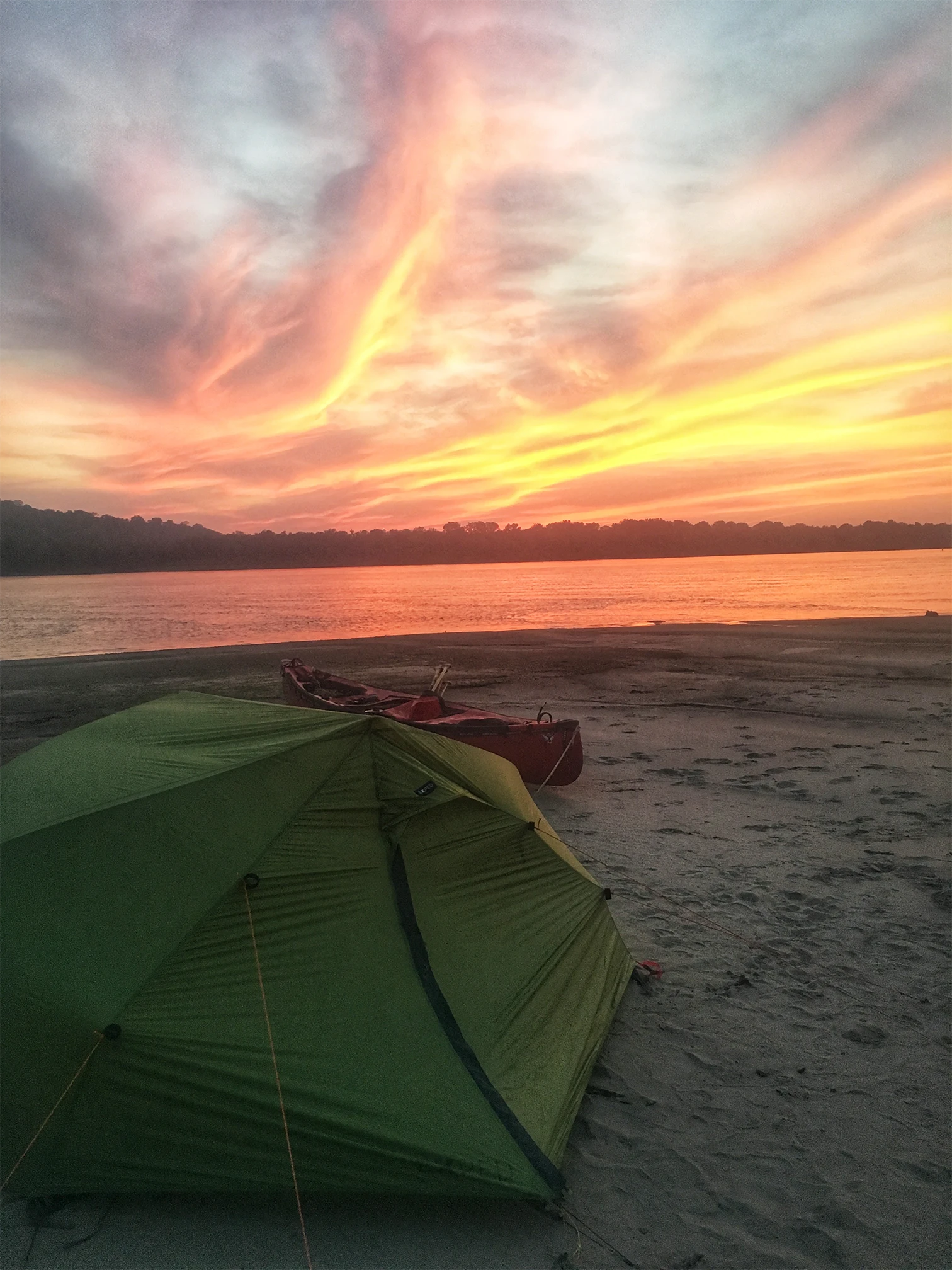
Not long after, we found a sheltered bay—an ideal place to set up camp, protected from the wind. We even took the opportunity to swim. Knowing that strong winds were expected the following day, we decided to take a well-earned rest day. We made a fire, enjoyed good meals, and spent time reading and writing. The day after our break, we set out again under calm, favorable conditions, which allowed us to complete our crossing of Lake Laberge.
The first section of the Yukon River was absolutely stunning. The water was a clear turquoise, free of sediment, and the current was swift—allowing us to travel at nearly 8 km/h even while drifting during breaks. The Yukon’s clear turquoise waters begin to lose their clarity at the confluence with the Teslin River near Hootalinqua, where more sediment-laden waters gradually shift the river’s color toward a brown hue—well before the dramatic impact of the White River farther downstream. The surrounding landscape was equally striking, and overall, this stretch of the journey felt smooth and straightforward.
This route follows the historic Klondike Gold Rush trail, once taken by prospectors from both the United States and Canada as they made their way to Dawson City in search of fortune. Along the way, we stopped at several abandoned settlements, where weathered cabins and old cemeteries stand as quiet reminders of that era.
Our journey included a brief but welcome stop in Carmacks, where we enjoyed a well-earned burger and a hot shower. We also had the chance to meet and connect with fellow paddlers, sharing stories and experiences along the river.
We also visited Fort Selkirk, a historic trading post at the confluence of the Yukon and Pelly Rivers. Once an important hub during the fur trade and early gold rush period, it is now a preserved heritage site that offers a glimpse into the region’s past.
There’s something deeply comforting about being able to speak your own language on a long canoe expedition. In the past few years, I’ve paddled with people from all over the world, mostly in English, simply because it was the common language. And let’s be honest, my English is pretty terrible. You quickly realize how speaking your own language transforms the experience: laughter comes more easily, emotions are expressed more accurately and you feel fully yourself. Conversations become smoother, more natural, as if every word finally lands exactly where it belongs.
On the Yukon, halfway down, we crossed paths with a group of paddlers from France and Belgium who were also heading downriver. I already knew one of them, Julien Abbate, and the connection happened instantly. The language had a lot to do with it. The chances of meeting in the heart of the Yukon were slim, but that day it felt as though ancestral spirits had arranged things so the encounter could happen. Their welcome, kindness and generosity touched me deeply. I was genuinely moved to be received with such warmth in my own country by people who had come from overseas.
For my teammate Antti, a Finn who’s perfectly fluent in English but doesn’t speak French, the day was a bit more complicated. Most of the French paddlers didn’t speak English, so I found myself translating, bridging two worlds. That day, I gained a deeper understanding of the connection Antti had with the Finnish people we met during our paddling trip in Finland the previous year. The roles were reversed this time, with him acting as the translator to help me understand. Canoeing brings people together. But words do too.
Nestled along the banks of the Yukon River, Dawson City is a historic town that feels suspended in time. Once the heart of the Klondike Gold Rush, it remains defined by its wooden boardwalks, preserved heritage buildings, and enduring frontier spirit—a place where history and adventure continue to meet.
We arrived in Dawson City slightly earlier than expected. Rain showers had been forecast, and although we were only a few kilometers away and had initially planned to spend one final day in the wilderness, the outlook called for significant rainfall. We decided it would be more sensible to complete our journey and enjoy our final days in Dawson with dry gear, rather than dealing with soaked equipment.
Once in town, we treated ourselves to a hotel, good meals, and a few well-earned comforts. We also took part in something I had missed during my first visit in 2016—the famous Sourtoe Cocktail at the Downtown Hotel. The ritual involves drinking a shot of whisky containing a mummified human toe, with one simple rule: the toe must touch your lips before the glass is set down. It’s undeniably a bit unsettling, but it’s also a well-known rite of passage for many visitors to Dawson City.
We were there in mid-June, enjoying mild and pleasant temperatures. It gave us the chance to rest, explore the town, browse small local shops, and take our time. For me, it was also an opportunity to revisit memories from my first trip in 2016.
This marked the conclusion of our journey—and, for Antti and me, the end of a trilogy. Over three consecutive years, we had shared canoe expeditions together. In 2023 and 2024, I traveled to Finland to visit him, and in 2025, we reunited in the Yukon—a place that, for many around the world, holds an almost mythical status and has long been the subject of childhood dreams. We will, more than likely, find ourselves paddling together again in the near future.
What makes the Yukon River particularly interesting is how accessible it is to plan. Aside from one or two moderate rapids, it presents few technical challenges: there are pretty much no portages, the current is steady and supportive, and camping opportunities are abundant along the way. While it may not appeal to those seeking intense whitewater or adrenaline, it offers something equally valuable—a contemplative, historical canoe journey through one of the most beautiful and storied landscapes in the world.
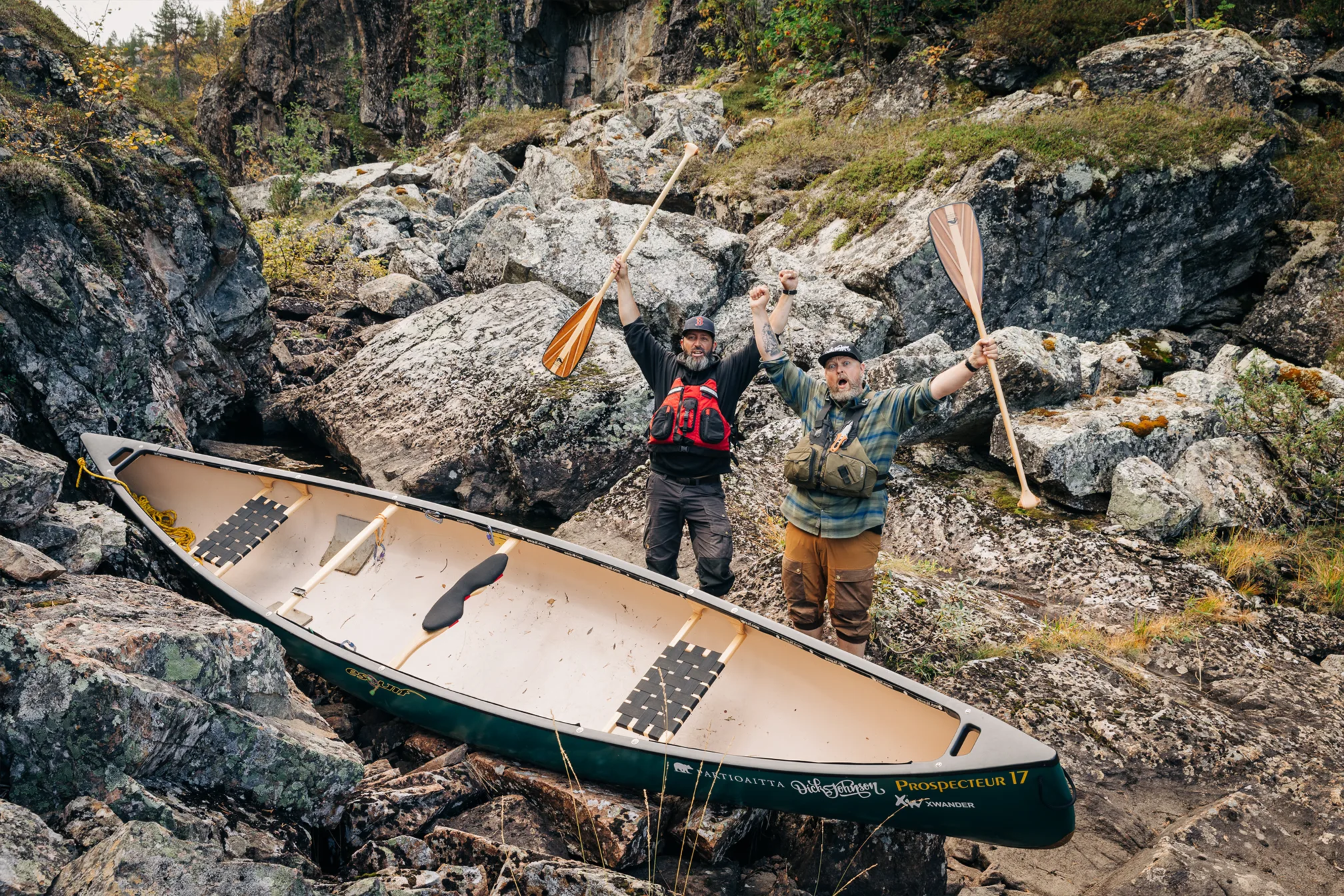
Martin Trahan – Antti Vettenranta
Expedition 8
2024 · Laponie
An exceptional adventure in Finnish and Norwegian Lapland: 350 km by canoe over 21 days, deep within the Arctic Circle, from the Lemmenjoki River to the Barents Sea, via Lake Inari and the Vätsäri region. Learn more ↓
Full Story
"350km through Lapland’s wilderness."
In 2023, I embarked on an unforgettable eight-day canoe expedition in Finland with a Finnish adventurer, Antti Vettenranta, a connection first made through Instagram and meeting in person for the very first time. Paddling through the pristine waters of Kolovesi and Linnansaari National Parks, as well as the Joutenvesi Nature Reserve, was an extraordinary and deeply rewarding experience.
In 2024, we decided to push our limits and team up again for an even more ambitious expedition. This time, we ventured to Lapland for a 21 day canoe journey through the untouched wilderness of Vätsäri in the Arctic Circle at 69°N. Our adventure concluded at the Barents Sea in Norway; a truly remarkable and humbling experience.
We began our journey with a 1,200 km drive from Helsinki to the town of Ivalo. The following day, we visited the Siida Museum in Inari, where we had the opportunity to gain valuable insights into Sámi culture.
The first day of a canoe trip is often unforgettable. It’s the moment when the dream comes to life; the culmination of months of effort, planning and investment. Reaching the starting point, whether by floatplane or truck shuttle, is a unique and thrilling experience. It’s often when I first feel the adrenaline coursing through my veins. I’ve always dreamed of beginning a trip with a ride in a Land Rover Defender and thanks to XWander Nordic, that dream became a reality. It may not have been the most comfortable ride but it was undeniably an incredible and fun way to kick off the adventure. We were in high spirits.
The first leg of our canoe trip took us down the Juutuanjoki River and its rapids. However, late in the season, the water level was so low that running the rapids became dangerously risky. We faced the possibility of damaging the canoe or worse, suffering serious injuries in the rocky terrain.
Despite the conditions, we managed to paddle through the first rapid. It was our first time navigating whitewater together and both Antti and I felt a bit apprehensive. We weren’t yet accustomed to each other’s paddling styles and our communication was not perfect. Still, we made it through, with Antti doing an exceptional job steering the canoe.
Encouraged by our success, we were eager to tackle the remaining rapids. We spent considerable time scouting potential lines, searching for a safe route that would allow us to keep the excitement going. But the river had other plans, the water was simply too low. With no portage trail and dense forest on both sides, our only option was to wade through the river while guiding the canoe. The riverbed was treacherous, littered with slippery rocks and deep crevices that threatened to trap our legs. Progress was slow and occasional bursts of frustration echoed as bones collided with stone.
At the end of our trip, we learned about two paddlers who were right behind us down the Juutuanjoki. One of them had a terrifying encounter, he was trapped in a sticky hole for nearly two minutes, barely escaping with his life. His GoPro captured the entire scene. He was an experienced paddler, unexpectedly caught in a rapid that appeared harmless. Having navigated it many times before, he hadn’t anticipated any trouble.
The story shook me. In recent years, two friends of mine have lost their lives while canoeing, doing what they loved. Their passing had a profound impact on me. Since then, whenever I hear the distant roar of an approaching big rapid or a fall, I feel my chest tighten, a wave of anxiety creeping in. I’m really glad that Antti and I shared the same approach to safety and risk management.
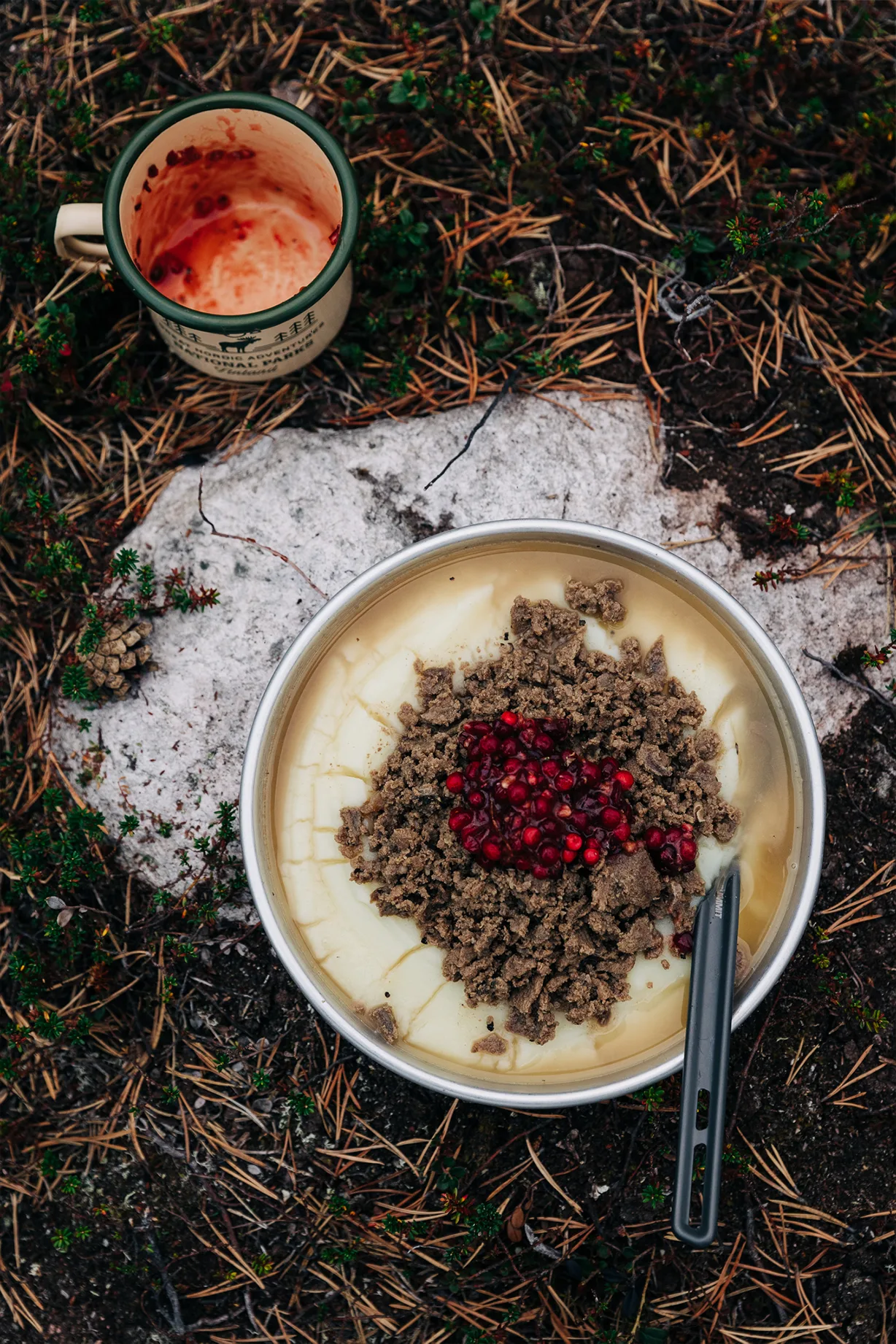
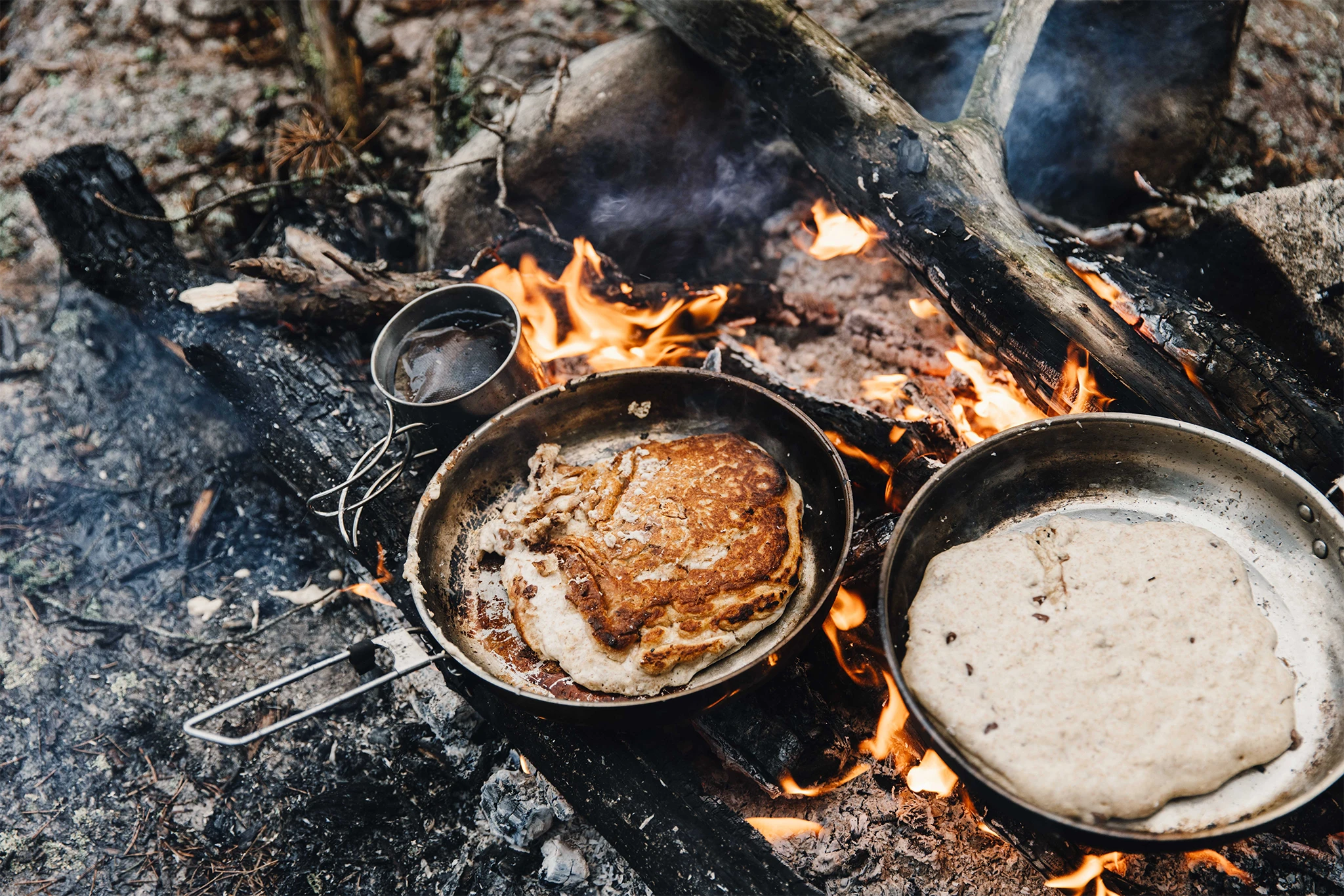
During our Finnish and Norwegian Lapland canoe trip, we alternated between freeze dried and fresh meals. This meant we had little waste to take back with us and not a lot of dishes to wash. I had the pleasure of eating two delicious dishes expertly prepared by Antti. The sautéed reindeer with lingonberries on a bed of mashed potatoes and some tasty Makkara sausages with mustard cooked on a stick over a fire. We also enjoyed more classic fresh meals, such as tortillas with cheese, apple, avocado, hummus and dried sausage, as well as pasta with pesto and nuts. For me, the highlight was the Finnish jerky that we brought and which was undoubtedly the best I have ever had. My advice for what it’s worth : cooking good meals during a canoe trip adds to the overall experience, allowing you to savor both the journey and the food.
We then paddled across Lake Inari, the third-largest lake in Finland. Stretching approximately 80 km in length and 50 km in width, even a light breeze can quickly intensify, creating challenging conditions. Fortunately, we had a tailwind for nearly the entire crossing, making for a smooth and enjoyable passage.
As we navigated the lake, we sadly observed that several islands had been devastated by forest fires in the past two months. We speculated whether this might explain the ‘’lower than expected’’ number of reindeer sightings.
Our route took us around Ukonsaari, a sacred island for the Sámi people, dedicated to Ukko, the god of thunder and the sky in their traditional belief system. Historically, it served as a site for sacrificial offerings. Out of respect for its cultural significance, we remained in our canoe and did not step ashore.
A few kilometers further, we stopped to visit the Korkia-Maura Ice Cave, which was historically used by fishermen on Lake Inari as a natural refrigerator to store their catch during the summer months. At one point on the lake, we reached our closest proximity to Russia, approximately 20 kilometers from the border. Continuing northeast, we eventually encountered a dead end, but fortunately, a boat ramp system equipped with a cable winch allowed us to portage to the other side, where we entered the Vätsäri region and took a well-earned rest.
A crucial decision had to be made. We were about to reach the point of no return. The dilemma was whether to go deep into the Vätsäri wilderness, not knowing whether the rivers had dried up, or change our route and paddle back to our starting point by canoeing the north shore of Lake Inari.
We knew that the rivers would have little water and would be difficult to navigate. What we didn’t know was whether it would be possible to paddle them at all, or whether we’d have to portage for dozens of km. « There is an old saying that all the blue on the Vätsäri’s map is not necessarily water. This was indeed true. »
I really wanted to venture into the mystical region of Vätsäri and take on the challenge of the dark and legendary Routasenkuru Canyon aka the Hell Canyon. When Antti said «let’s do it, let’s go», I felt a good dose of adrenalin coursing through my veins. It was getting exciting. Most of the people going through Routasenkuru Canyon are young hikers or packrafters. Very few are heavy loaded canoeist in their 40’s.
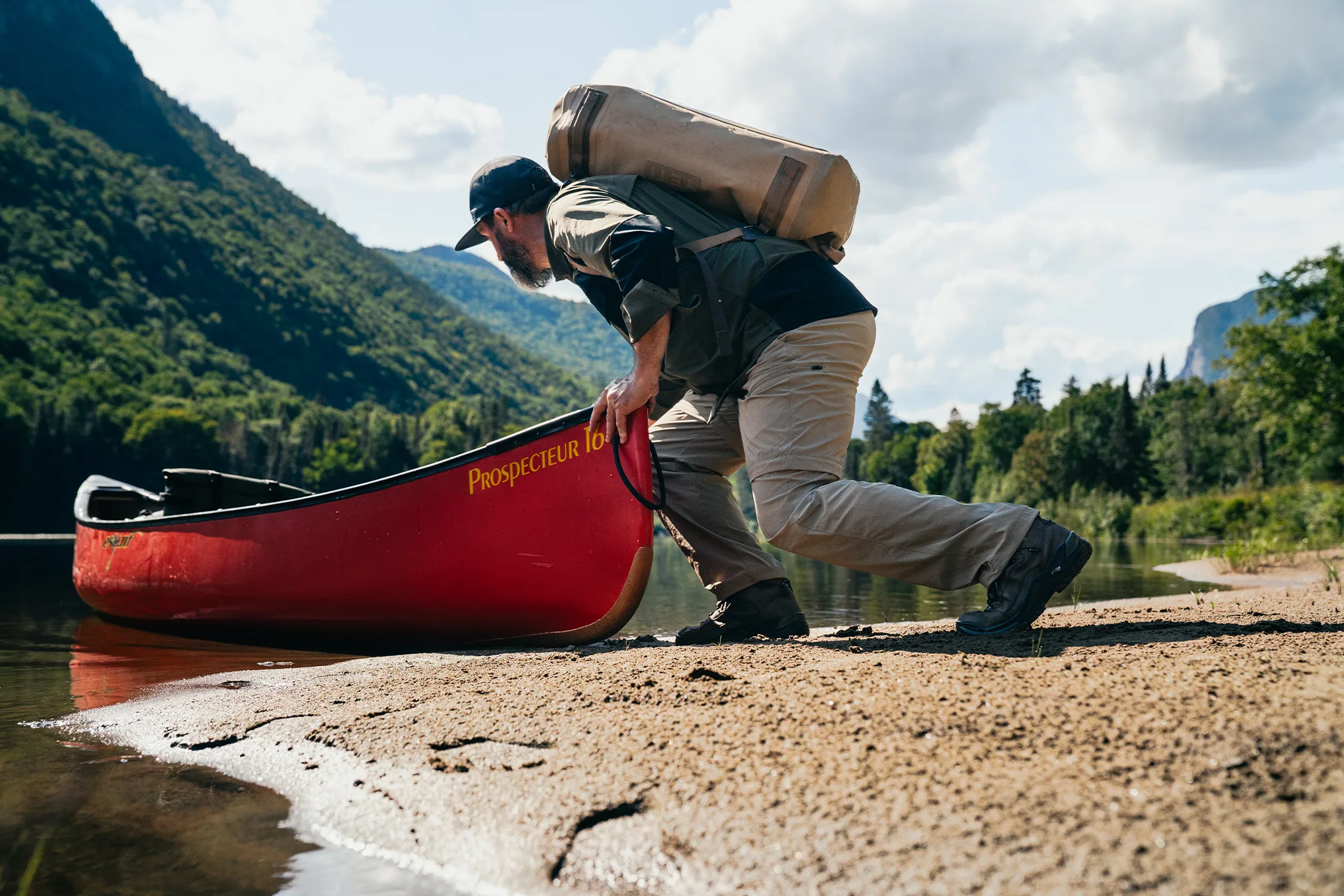
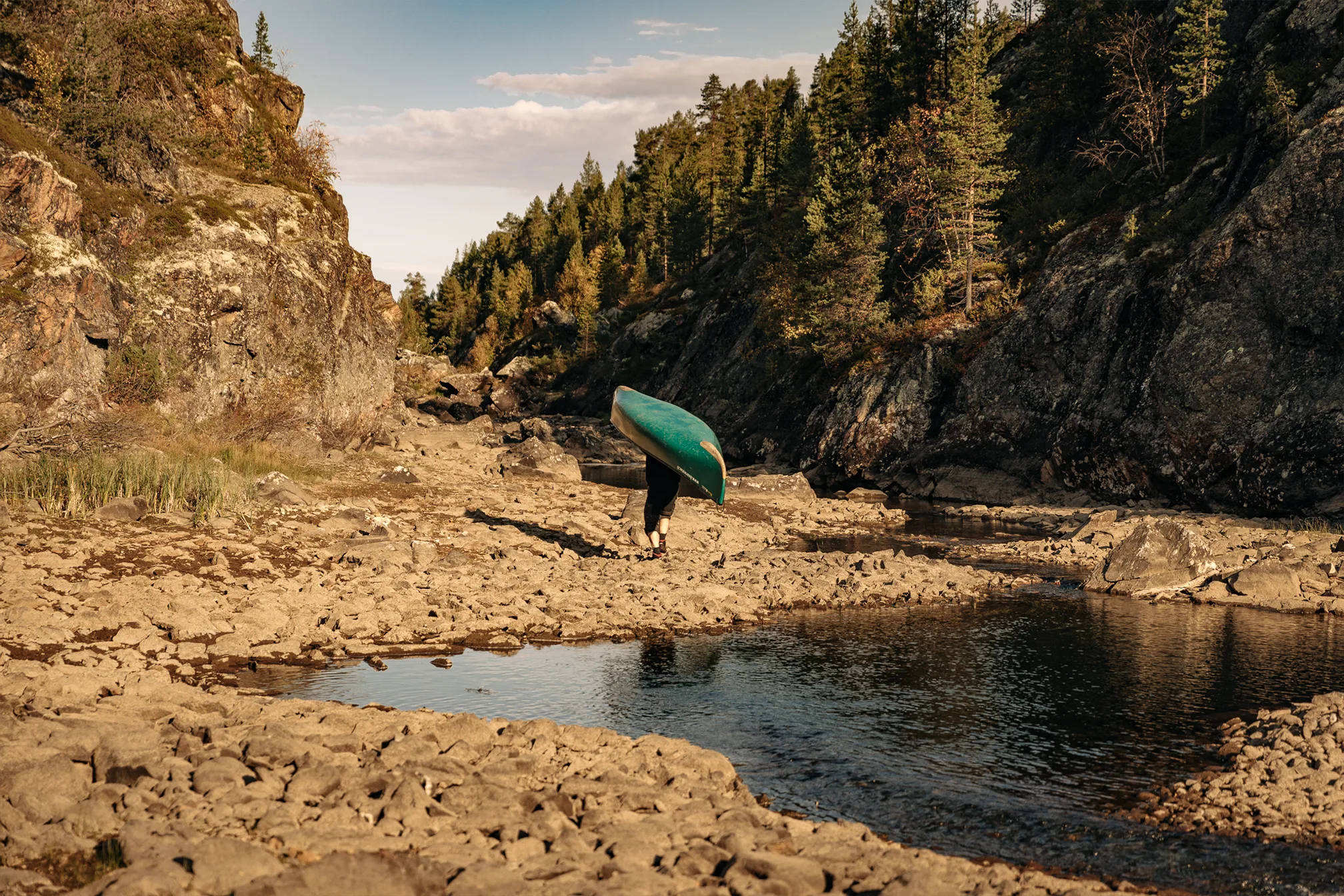
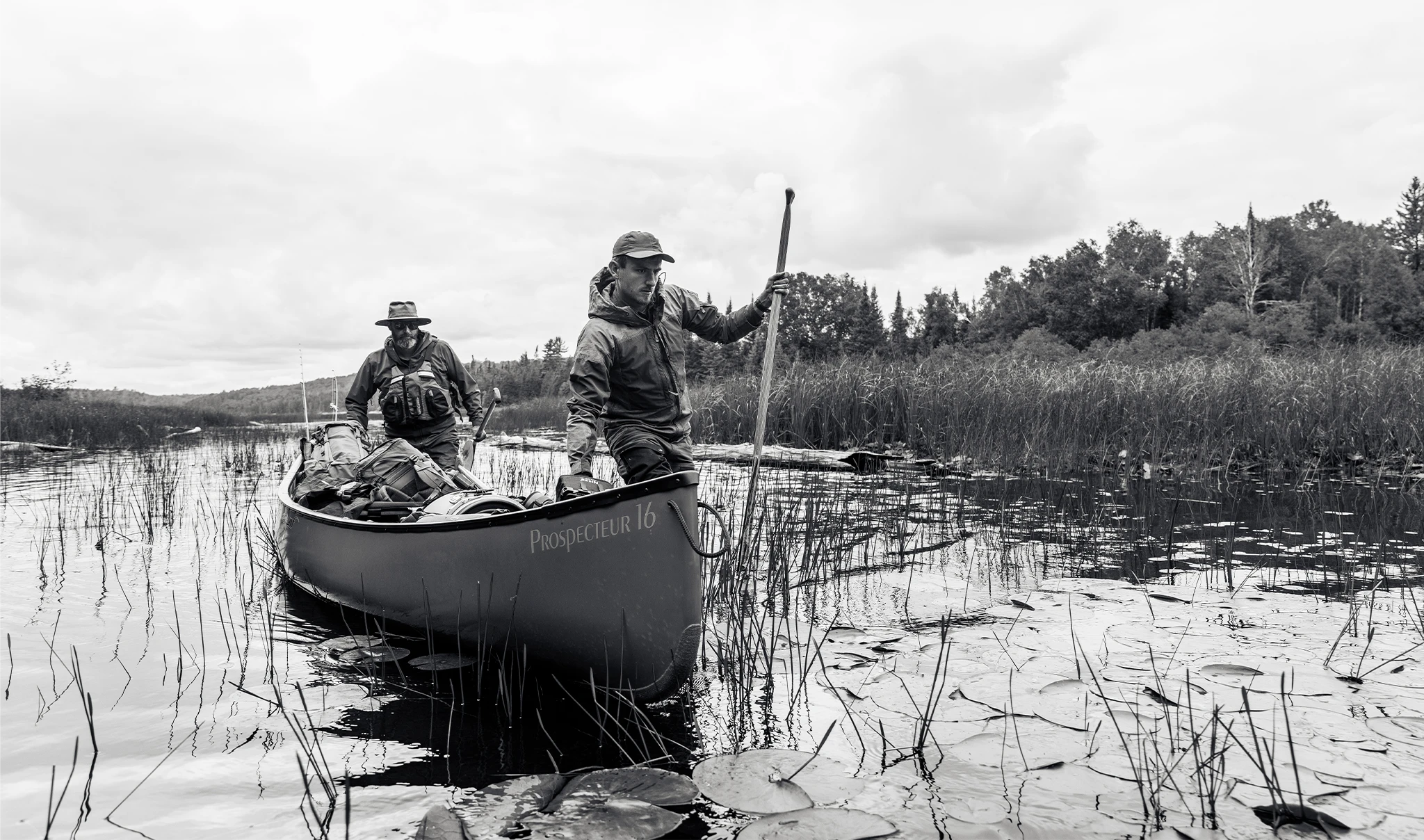
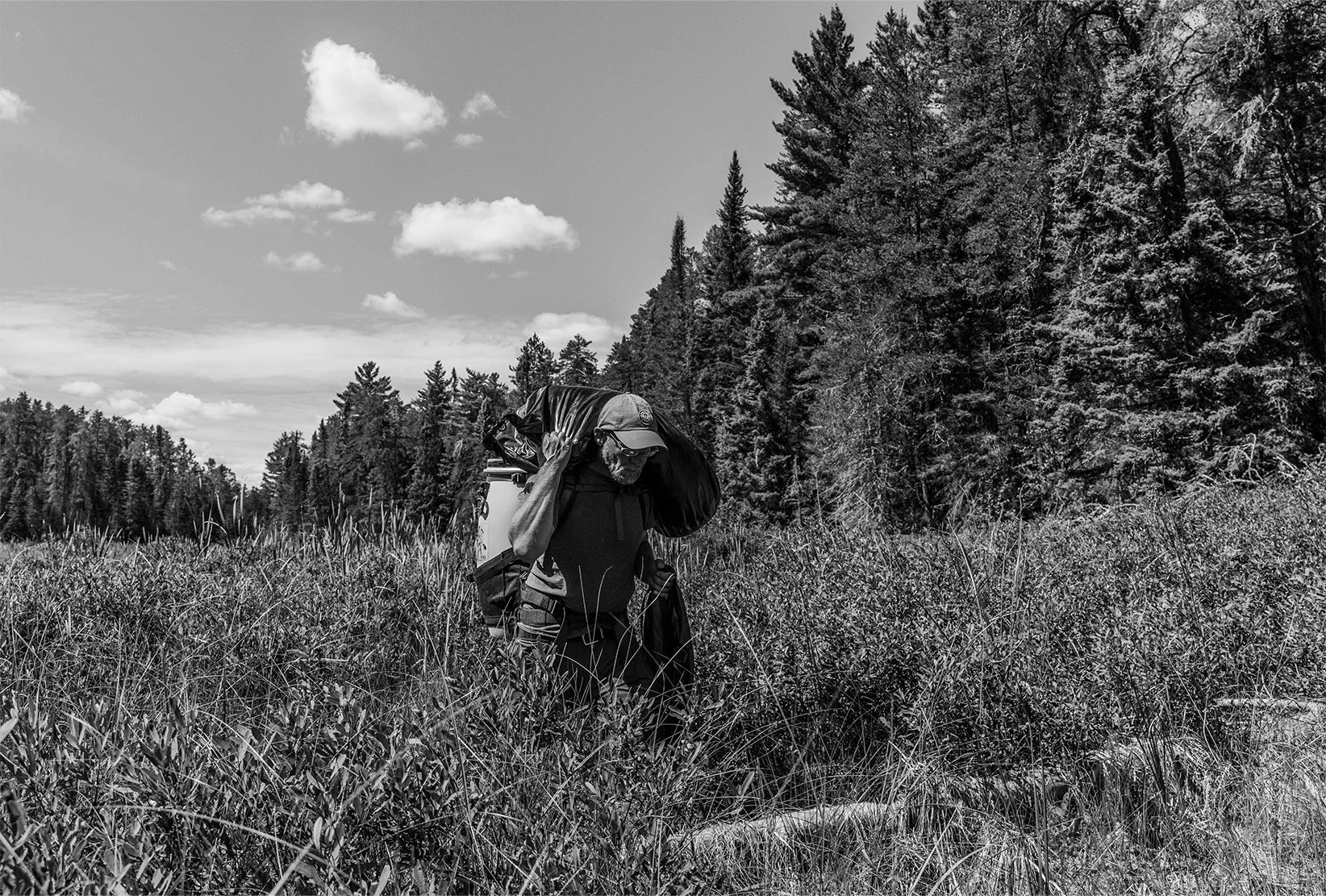
We had so much gear to carry. The 80 pound/36kg Esquif Prospector canoe was amazing but not the lightest. I’m getting old and I can no longer carry my barrel on my back and the canoe on my shoulders at the same time. Long story short, we had to do 3 carries for each of the estimated 35 portages (give or take a few). A nightmare. Antti lost 27 pounds/12kg and i lost 13 pounds/6kg.
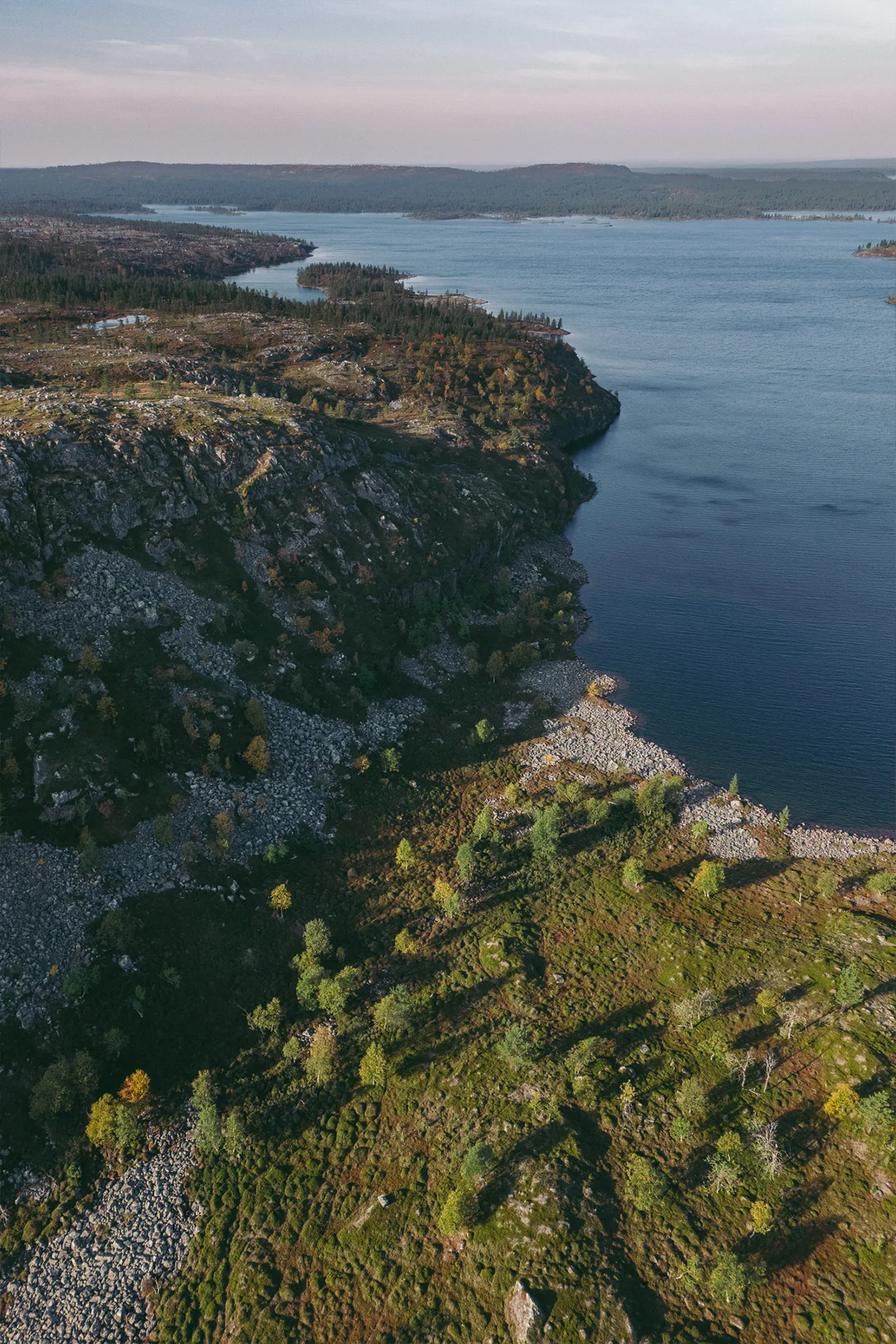
Canoeing in the mysterious and mystic region of Vätsäri was phenomenal. We were paddling in pure wilderness. Legend tells that those who enter Vätsäri emerge changed forever. The isolation of the area meant that there were often no marked or maintained trails, so portaging required solid navigation skills. Despite these difficulties, the effort was rewarded with the sense of achievement that came from crossing such a wild, untouched and pristine environment.
Despite coming from different parts of the world, Antti & I share a mutual love for canoeing. Antti’s first language is Finnish, while mine is French, so we communicated in English as a middle ground. Two strangers who became friends; we often found humor in our shared moments of fatigue, when expressing ourselves clearly became a challenge. Over time, we developed an exceptional ability to understand and anticipate each other’s thoughts and intentions.
Winter was coming. It was officially just the beginning of fall but in the Arctic Circle at 69°N, we were already beginning to feel the harshness of the nights, with temperatures dropping below freezing.
Routasenkuru Canyon was a place where time slowed down, allowing for introspection and a deeper connection to the raw power of nature. After three days of sustained effort and slow progress, we managed to find a way out. The feeling of having persevered through one of Finland’s most demanding routes was incomparable.
That evening, exhausted by our day’s portaging and soaked by the rain, we pitched our tents near a magnificent beach on the lake that would lead us to the Munkelva River the following morning. We’d just completed one of the most important cruxes of the expedition, but we knew there was one last one full of unknowns.
We still had around 20 km to go before completing this adventure and it was safe to assume that this distance could be covered in 2 days, but maybe 3 if the river was completely dry. The Munkelva river winds through some stunning landscapes and is known for its wild beauty, offering a mix of calm stretches and more challenging sections, especially in its upper reaches. But for us, most of the rapids were non existent due to the low water level.
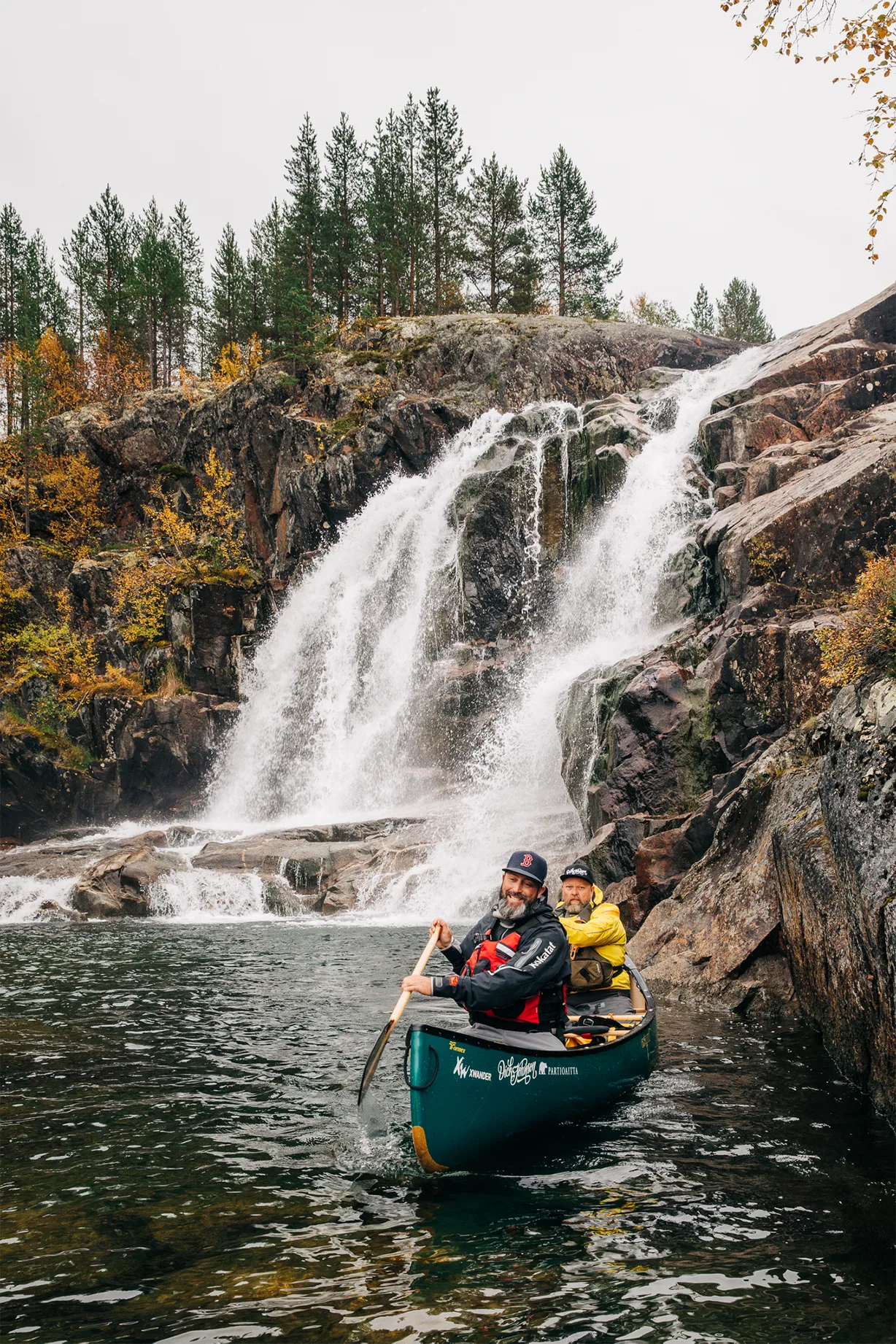
What we did know was that the Munkelva River has 2 magnificent waterfalls and 2 cascades that absolutely must be portaged. These Munkelva falls are part of the dramatic landscape that makes the area so attractive to outdoor enthusiasts. They were indeed spectacular. On the first day, we only covered something like 4 km and morale was low. We constantly had to walk alongside the canoe and pull it across the rocky fields. The risk of injury from walking on slippery rocks was very high.
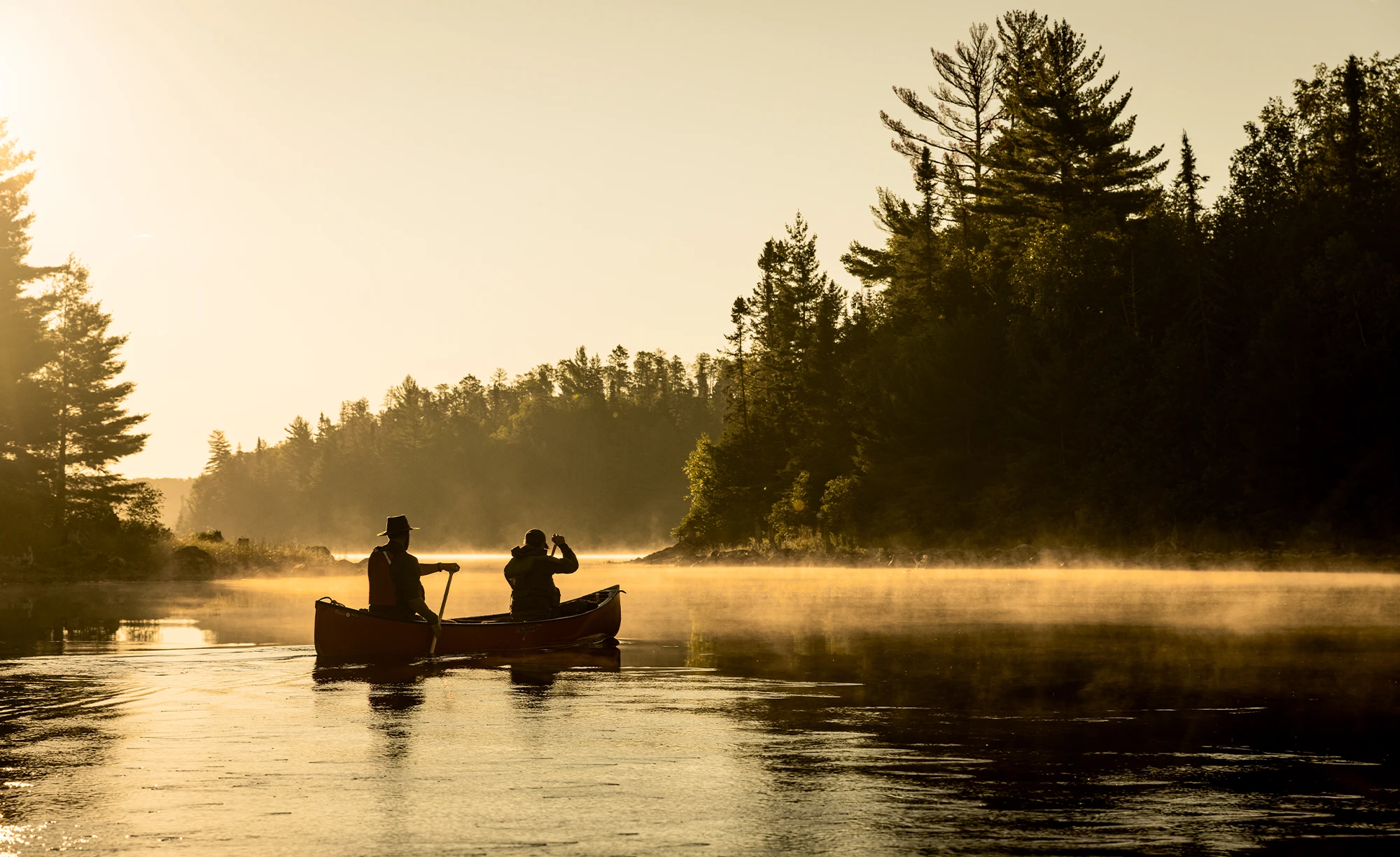
The last day canoeing the Munkelva River in Norway was a culmination of everything that had made the journey so special. The morning mist still lingered on the water’s surface and the air was crisp with the cool breath of early autumn. The river, which had carried us through some of the most remote landscapes, now seemed to slow down as it wound its way toward the final stretch.
We portaged the last waterfalls who were breaking the stillness with a gentle roar. There was a sense of peaceful finality, as if the river itself knew this was the end of the line. Every stroke felt like a way to hold onto the magic of the experience just a little longer. As we approached the river’s end, the landscape opened up to reveal small pockets of human life, a cabin, fishing boats, power lines and the distant sound of a chain saw. It was contrasting with the wild isolation we had come from but it didn’t diminish the sense of accomplishment and peace we felt.
At 4:12 pm on September 15th, in icy but sunny weather, we reached the sea. We had just completed our phenomenal adventure in Finnish and Norwegian Lapland. A 350 km canoe trip spread over 21 days in the Arctic Circle 69°N.
It was the most physically demanding journey of my life and also the most rewarding on a human level. Collaboration has never been my strongest skill, but with Antti, teamwork came naturally. Finding the right partner and striving to be one proved to be the key to a truly successful adventure. This experience remains one of my greatest sources of pride.
The expedition’s architect, Finn Antti Vettenranta, chose an extremely beautiful route through Inari and Vätsäri, a rather inaccessible part of the world. The 35 or so portages carried out over the last 7 days put our old bodies to the test. The portages were never easy, often trail-less, constantly on slippery rocks, almost always over rough, swampy or cliff-filled terrain. Witnessing the change of season, the arrival of autumn colors and the northern lights coloring the sky were magical moments that punctuated the end of our adventure.
We unloaded the canoe one last time. Our hands were tired from paddling and pulling the canoe but there was a deep sense of fulfillment, knowing we’d experienced a landscape few ever see. Standing on the banks of the Munkelva, looking back at the winding path we had traveled, there was a moment of quiet reverence. The rugged wilderness, the healing power of nature and the solitude of the journey had left an indelible mark on both of us. The Munkelva river with its changing moods and crystal-clear waters, would remain in our memories as one of the most unforgettable parts of our expedition.
The final evening was spent resting, drying our gear, planning the return home and discussing future plans. A sense of camaraderie shared between strangers turned friends, both of us reflecting on the grandeur of the Lapland wilderness. We knew this journey, its challenges and its beauty, would stay with us long after we’d returned to civilization.
Martin Trahan – Antti Vettenranta
Expedition 7
2023 · Canada
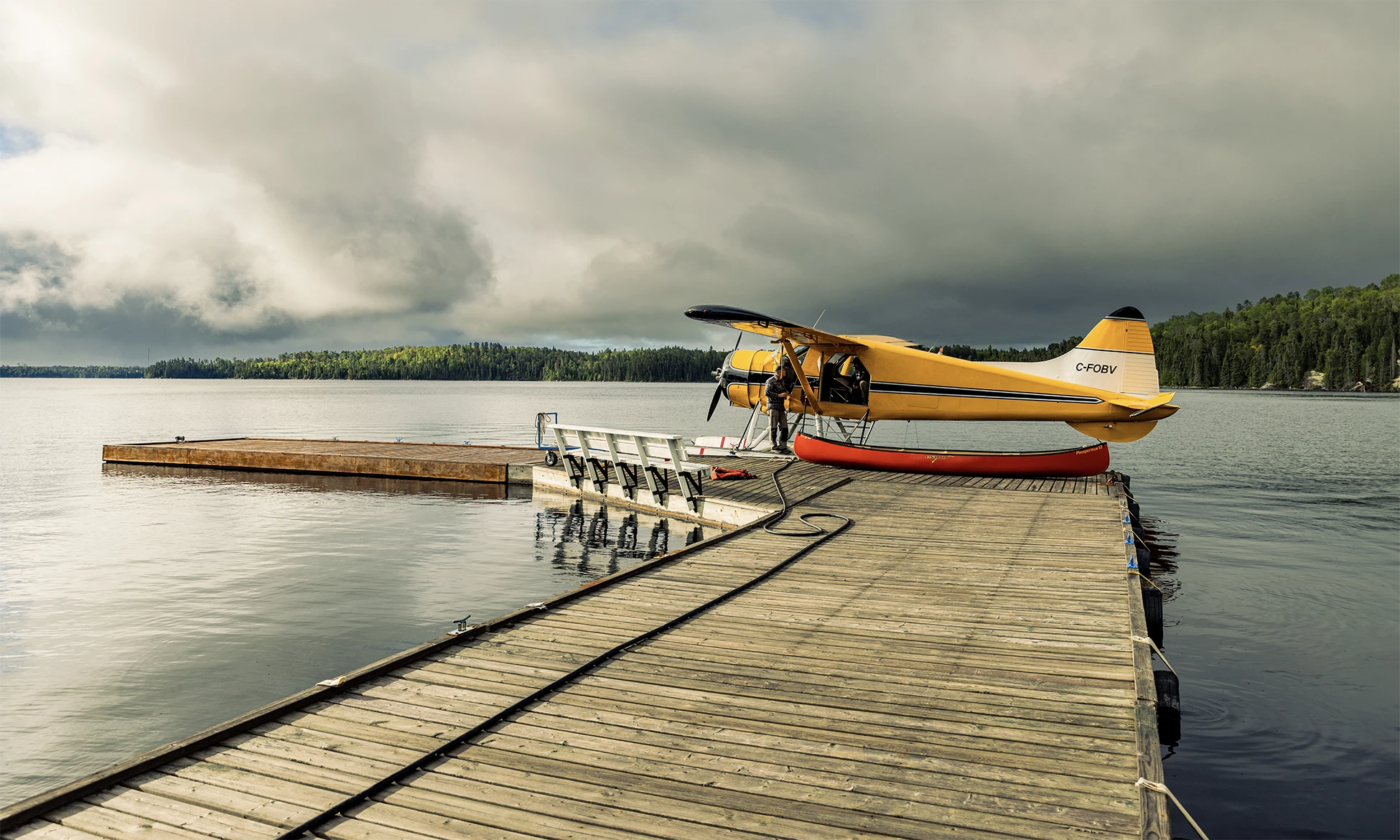
Moose Tracks Under Water : A nine-day canoe trip in search of moose. Learn more ↓
Full Story
As part of a larger film, photography and written project destined for 2027 - Ian Finch, Jamie Barnes, Martin Trahan and Moose Biologist Seth Moore undertook the first stage of a journey into understanding the declining populations of Moose in far northern Minnesota and southern Ontario. The greater narrative of this project is to explore the reasons why moose have been declining each year for decades, the impact of warming winters on eco-system health and the impact on the Grand Portage Band of Chippewa who have relied on the moose as a subsistence species for many years.
The initial 9 day canoe adventure in Ontario was to access remote wilderness area to attempt to film and photograph moose in their natural habitat and immerse the group into the knowledge provided by Seth Moore. Seths deep and passionate knowledge and admiration for Moose made way for the expedition to experience first hand, the immense and incredible natural habitat of the species. Following the canoe journey, project lead Ian Finch and film maker Barnes conducted the first of many interviews with biologists and tribal members of the Grand Portage Band of Chippewa.
Embarking on a journey through Quetico Provincial Park is an immersion into the heart of Canadian wilderness. Nestled in Ontario’s rugged northwest, this sprawling expanse of interconnected lakes, rivers, and forests offers adventurers a canvas for unforgettable canoeing experiences. As you dip your paddle into the crystal-clear waters, you become part of a timeless rhythm, gliding through mirror-like surfaces reflecting towering pines and granite cliffs.
In the second part of Ian Finch and Jamie Barnes written, photographic and film story, in February 2024, they took part and witnessed the vital conservation efforts, from native and non native biologists to study the alarming decline of moose in the last decade. This process was to collar the moose, take blood and body data whilst releasing it carefully to continue on into the wild tangled habitat it resides. What they learnt was overshadowed by the warmest day on record in the region, ultimately a factor deeply at the heart of the overall issue. Their story follows Seth Moore and other biologists alongside members of the Grand Portage Ojibwe and their right to protect the moose and the ancestral right to hunt and gather sustainably.
Ian Finch - Jamie Barnes - Seth Moore - Martin Trahan
Expedition 6
2023 · France
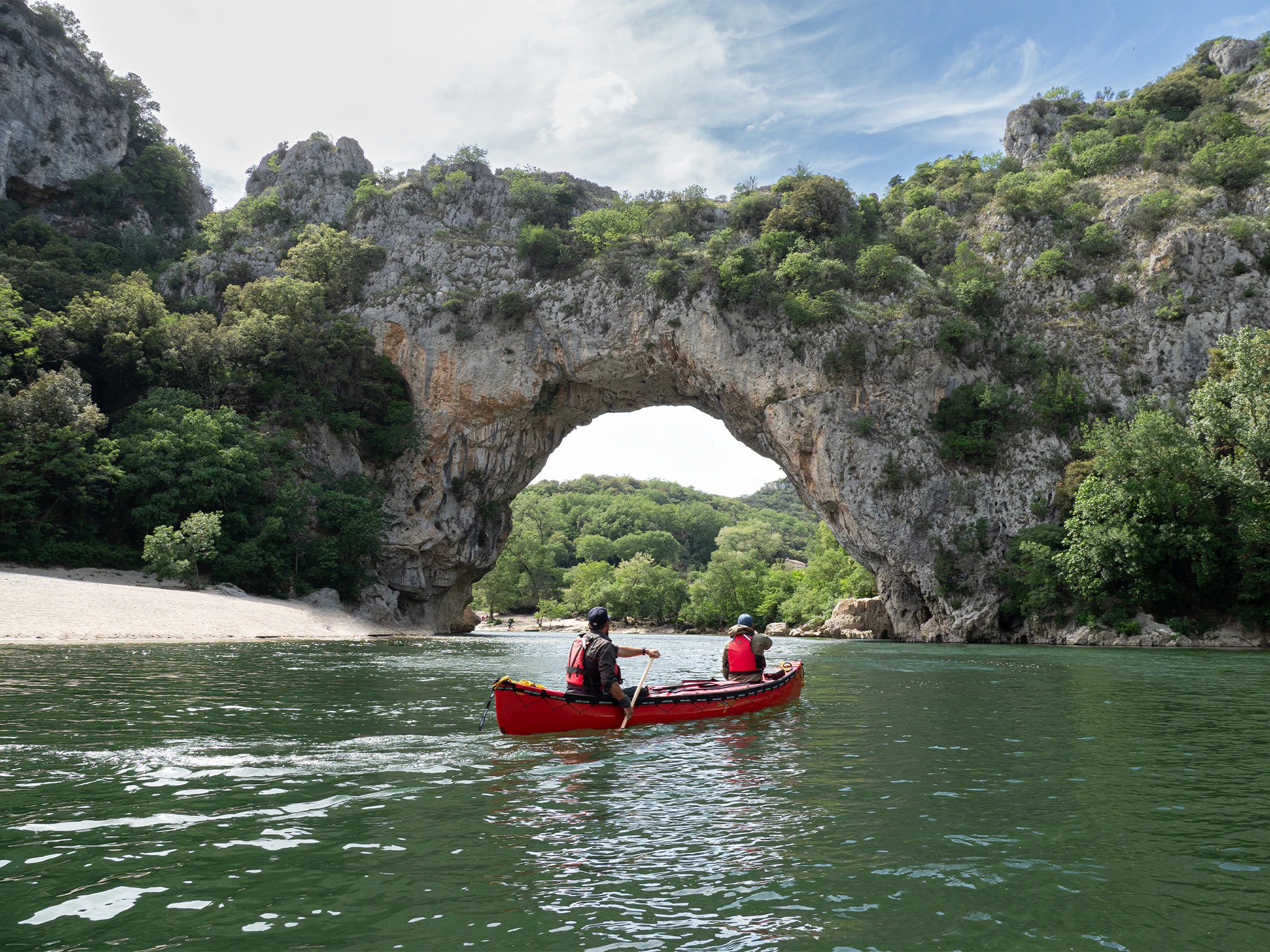
A journey across France from Geneva, Switzerland, to the Atlantic Ocean at Saint-Brevin-les-Pins, through a country rich in history. A 37-day expedition covering 1,500 km. Learn more ↓
Full Story
During the months of May and June 2023, together with my French teammate Joris Leclercq, we crossed France by canoe, from Geneva to the Atlantic Ocean near Saint-Nazaire. This adventure was inspired by a similar journey undertaken in 2017 by French explorers Paul Villecourt and Philippe Bouvat. For me, having been accustomed to long expeditions spanning several months in North America, this marked my first extended journey on European soil.
The route covered approximately 1,500 kilometers over a period of about 37 days. My goal was to discover this country rich in history, to explore its beauty, and to meet the people who live there. Along the way, I found meaning—a quest, a dream carried by the current—a journey into the heart of France, but above all, into the heart of myself.
Finding a teammate available for such an extended period was no easy task. Most people my age have children, responsibilities, jobs, and financial commitments, making it nearly impossible for them to take that much time away. To increase my chances of finding a strong partner, I decided to cover Joris’s expedition expenses. In his forties, he works as a firefighter-paramedic in Orléans and is also a canoe guide on the Loire River.
On every expedition, my favorite day is always the first. It represents the culmination of countless hours of preparation, sacrifices, and the moment when the dream finally becomes reality. However, that first day did not unfold quite as I had expected…
As the day was coming to an end, we were exhausted from a long first stretch on the Rhône and stopped along the bank to scout a potential campsite. When leaving a canoe unattended, there are two fundamental rules to follow: either tie it securely or pull it well up onto shore, and make sure nothing is left loose on the deck. Unfortunately, we failed to follow these basic precautions and simply left the canoe resting on a few rocks.
What we overlooked was that we were positioned between two hydroelectric dams, where water levels can change rapidly. What was bound to happen, happened. Our canoe, along with our gear, my wallet, and my passport, was swept away by the strong current. We stood there on the shore, frozen, nearly speechless, struggling to comprehend what had just occurred. With 20,000 kilometers of paddling experience, this was a mistake that should never have happened.
Fortunately, we were able to borrow a canoe from a nearby club. With about two hours of daylight remaining, we set off in search of our boat. We eventually found it 6 kilometers downstream, drifting calmly. We had escaped with a serious scare. That’s how I came to name the canoe The Solitaire. And when people ask if I lost any equipment during the incident, I simply say that what I lost that day was a bit of my ego and pride.
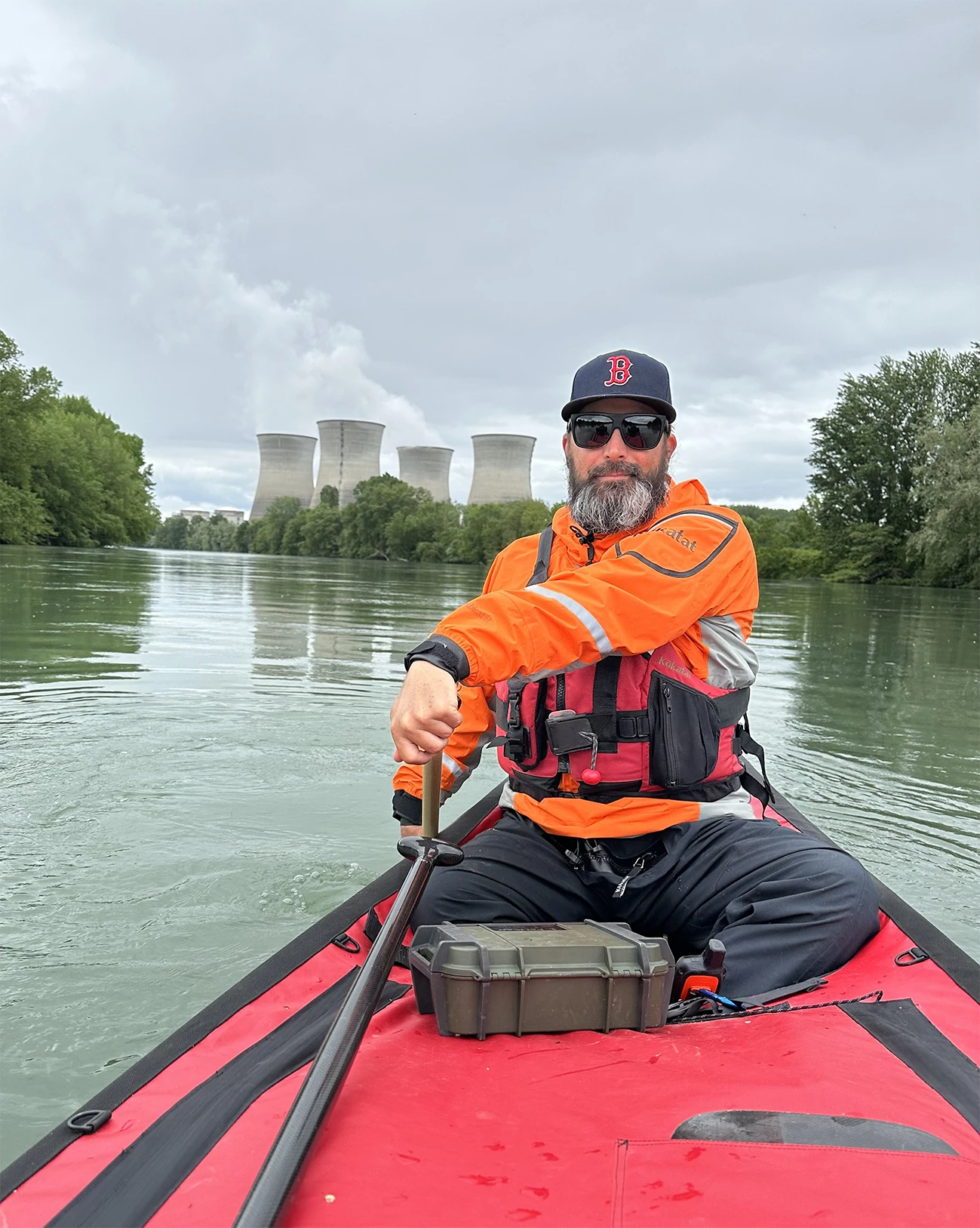
The adventure began on the Rhône in Geneva. Its powerful current carried us for more than 400 kilometers, though it was too often slowed by the concrete structures of numerous hydroelectric dams that we were forced to portage around. To my dismay, I had to confront a personal phobia of these massive constructions. While it may seem irrational, I was overwhelmed by the fear of being pulled into the turbines of these immense facilities or swept over spillways and retention dams. As a result, approaching them meant strictly hugging the shoreline, which significantly slowed our progress. My teammate saw things differently—he wasn’t afraid at all and occasionally grew impatient when I insisted on altering our course to ease my anxiety.
Fortunately, I was quickly reconciled by the wilder stretches that followed, by our passage through picturesque villages that I came to deeply appreciate, and by the vineyards that make the region so renowned. France’s rich heritage and architectural beauty made me feel as though I was living a waking dream.
When embarking on an adventure in a country as densely populated as France, finding suitable bivouac sites can be a real challenge. We generally began searching around 6 p.m. for a spot flat enough to set up our two tents. At times, we opted for riverside campgrounds to recharge our electronic equipment and enjoy a hot shower. It was also a way to avoid muddy and uninviting bivouac sites caused by the Rhône’s high water levels. These limited options occasionally led to disagreements with my teammate. Our biological rhythms also played a role. I enjoy taking advantage of the first light of day and the awakening of wildlife—paddling through the morning mist both soothes and inspires me. But not everyone is an early riser, and I must admit that finding a compromise was not always easy.
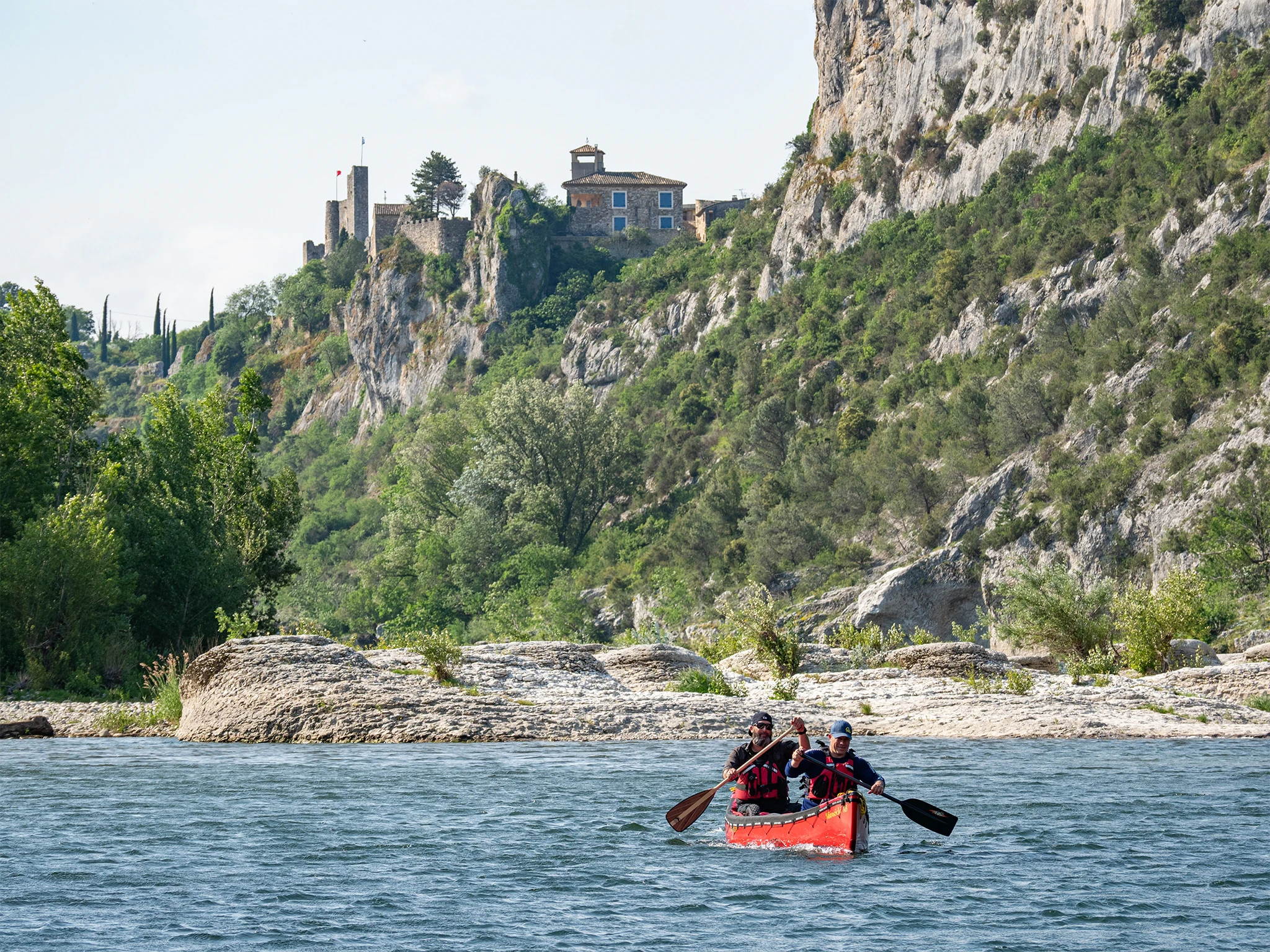
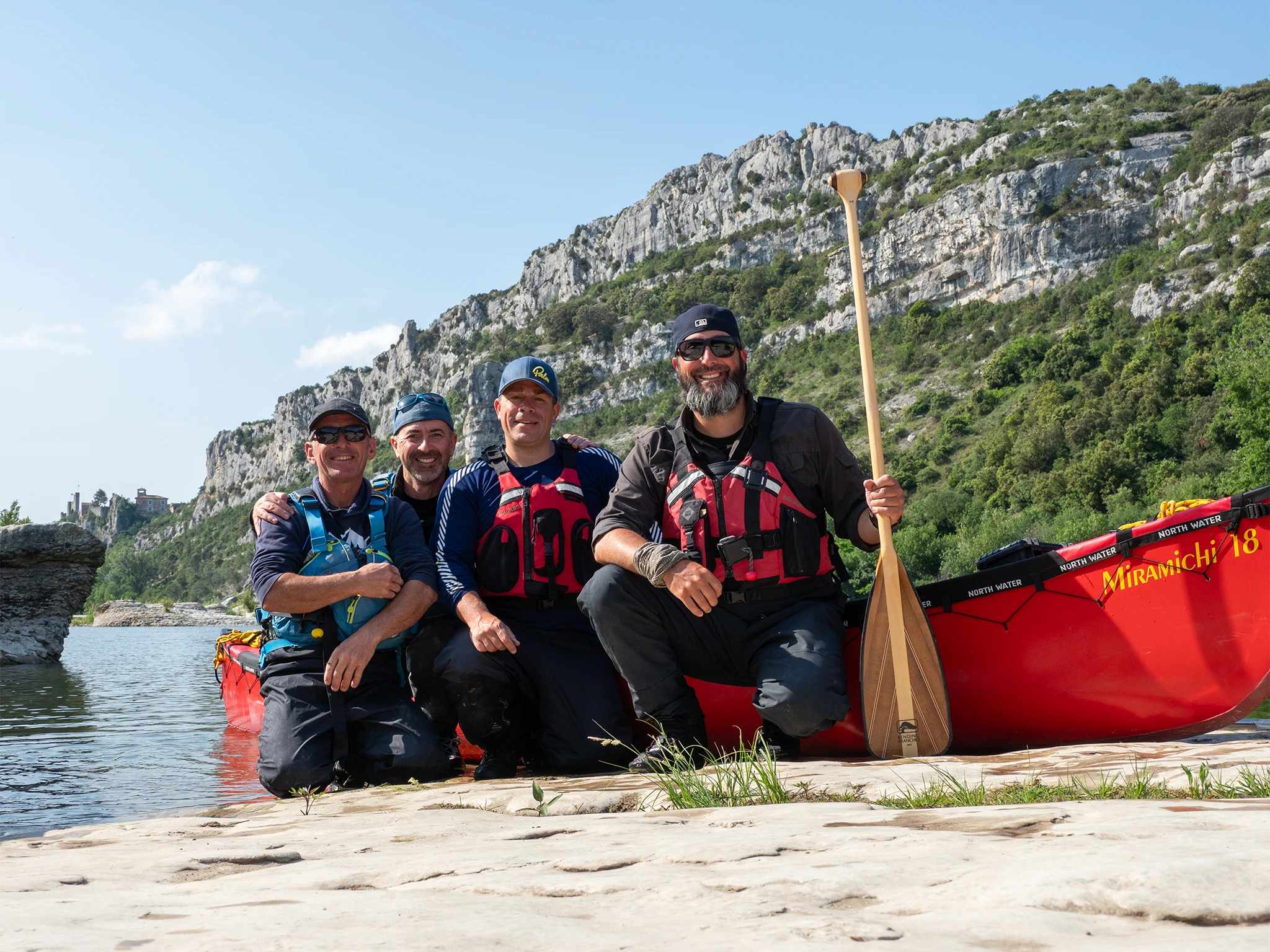
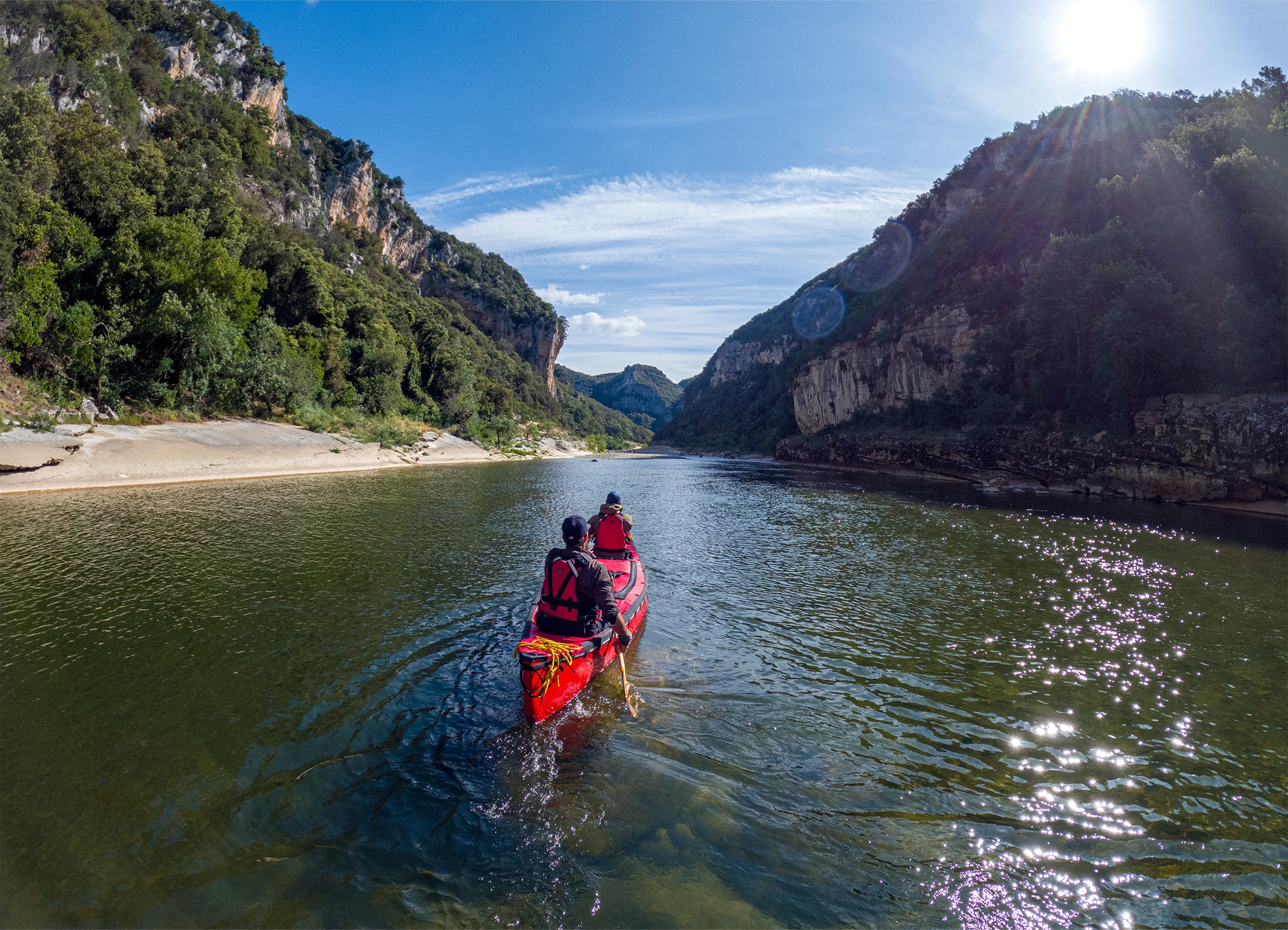
The journey continued with the legendary upstream ascent of 70 kilometers along the Ardèche and Chassezac rivers, in the heart of chestnut country. Our good friends Paul Villecourt and Philippe Bouvat joined us for the first two days on the Ardèche. Their energizing presence and sense of humor were a great boost. Their many memorable stories from their own crossing in 2017 inspired me deeply.
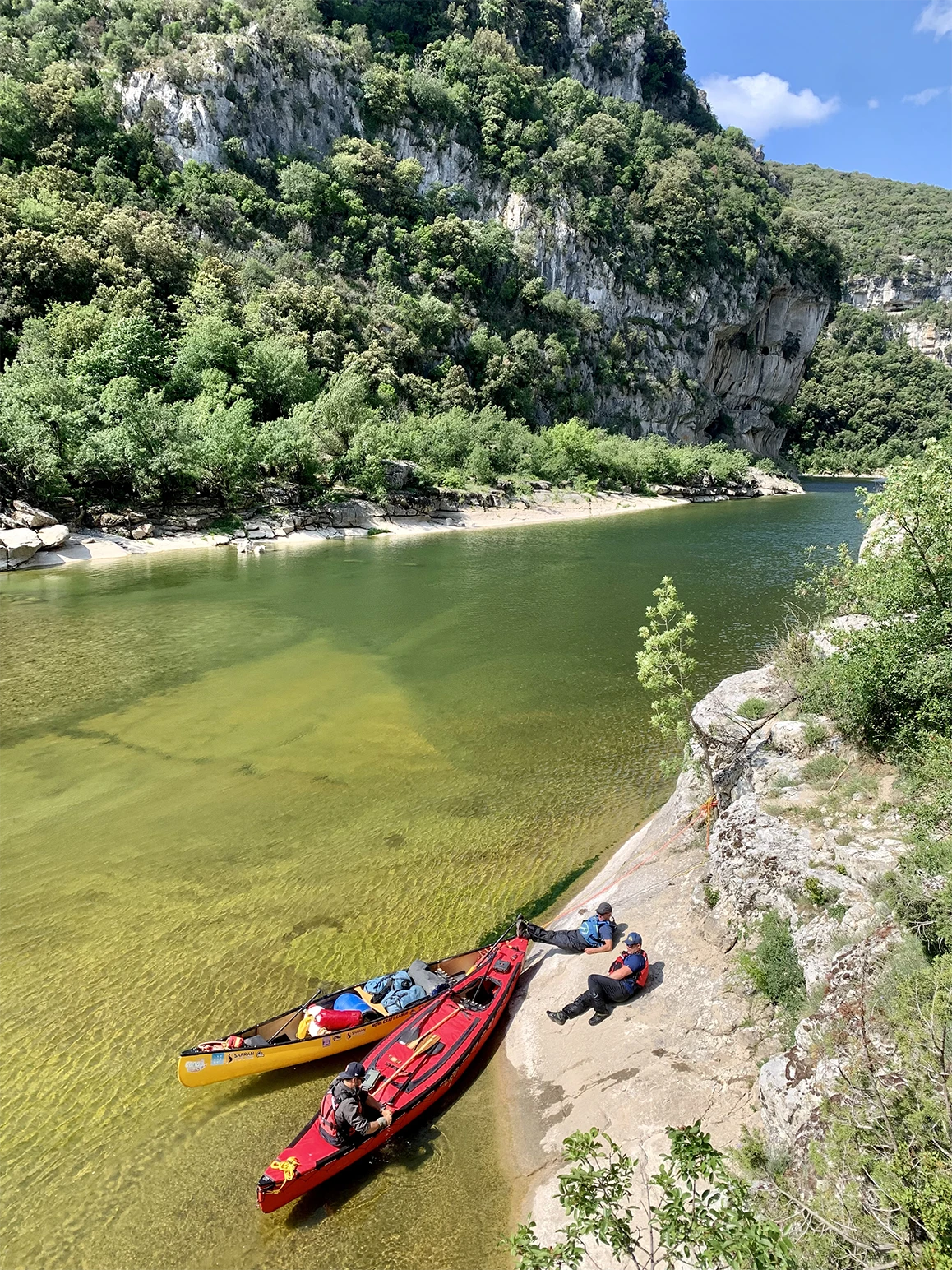
The Ardèche is a true gem of a river and an undeniable highlight. Its clear waters, pebble beaches, caves carved by erosion, and towering cliffs captivated me with their unique character. Paddling in such a stunning environment was deeply calming. As we moved upstream, the landscapes unfolded slowly, creating a meditative rhythm.
However, our second day on the river proved to be particularly demanding. We had to battle strong winds that lashed our faces with gusts reaching up to 100 km/h. I had never paddled in such difficult conditions. At times, the canoe rocked violently, becoming nearly impossible to control. We tackled the most powerful rapids on foot, pulling or lining the canoe upstream. Our feet often slipped on the slick rocks. Laughter became more frequent once this exhausting day finally came to an end.
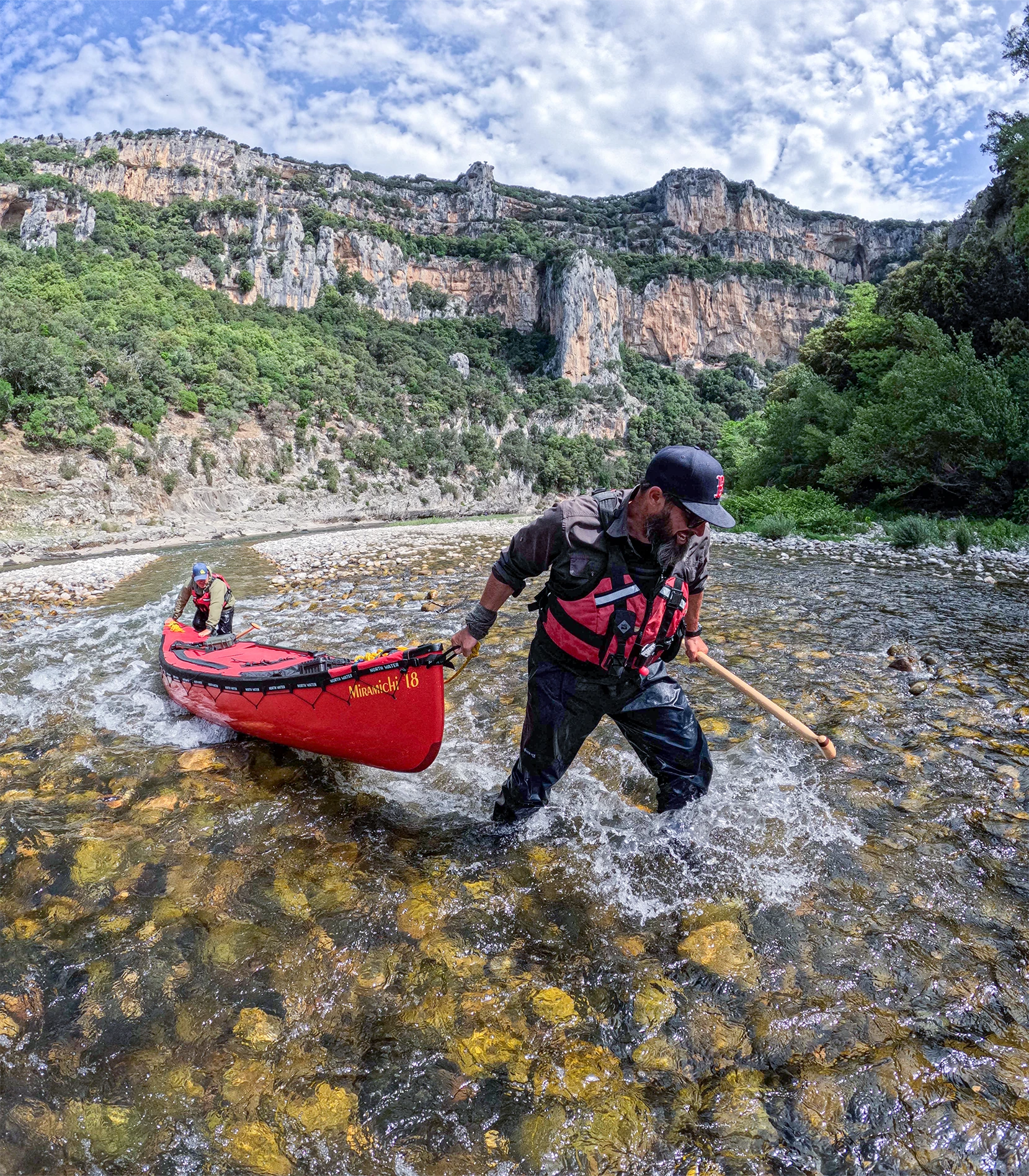
In recent years, France has been facing increasingly severe droughts, significantly impacting water levels. Aquifers are depleting, rivers are drying up, and in some places, only the remnants of once-thriving waterways remain. When we reached the Chassezac River, our concerns were confirmed: in certain sections, the riverbed was nearly dry. At times, we had to move stones to redirect a thin stream of water just to create enough depth to slide the canoe forward, which was taking considerable damage with each scrape. I could feel my back weakening from constantly pulling our heavy, fully loaded canoe. We began to question whether we would be able to continue the next day under such difficult conditions.
That evening, I looked up at the stars before the sky filled with gray clouds signaling worsening weather. I spotted a few shooting stars and, almost instinctively, made a wish: “Please, let the water level rise overnight.” Believe it or not, a small miracle occurred. At sunrise, as I walked to the river to wash my face, I felt an overwhelming sense of relief upon seeing that the water level had risen by about 60 centimeters, making the final day of upstream travel possible. During the night, a dam located several kilometers upstream had opened its gates.
One of the main challenges of this journey was a roughly 150-kilometer trek across the Massif Central in order to cross into a different watershed. On May 24, we reached Langogne after an exhausting yet spectacular 75-kilometer hike. Over those four days of walking, I was in awe of the grand landscapes and the enchanting setting of this mountain range. We moved from one summit to another with a sense of accomplishment, though it came at the cost of significant physical effort. Centuries ago, men and women traveled these same paths, sometimes simply to deliver a message to a neighboring village. A few beautiful stone houses still remain, some now converted into shelters for hikers.
Then came the sentence that momentarily left me frozen: “Martin, I can’t continue the hike—my calves are in too much pain.” For a brief moment, I felt as though I had slipped into another reality, everything moving in slow motion. I struggled to process what I had just heard. But in the end, no one is immune to injury—and it could just as easily have been my fragile back that brought this part of the adventure to an end.
My dream of crossing France in its entirety had just fallen apart, but my decision was made: I would accompany my teammate by bus to Langeac, the village where our canoe and equipment were waiting for us. I am not an experienced hiker, and I dislike being alone in the wilderness. I reminded myself that I had come to France to enjoy the experience and to recharge—not to feed my ego. In the end, we skipped about 70 kilometers this way. Despite his injury, which prevented him from walking, Joris was still able to continue the journey with me by canoe.
In Langeac, we resumed our journey by canoe, setting out to explore the beautiful Allier River over a distance of approximately 300 kilometers. To better navigate its turbulent waters and numerous rapids, we switched positions so that my teammate could take the stern, as his whitewater experience far exceeded mine. I am not particularly skilled when it comes to maneuvering through the tight bends of a winding river. People often assume that I am an excellent paddler, but that is not entirely the case. I am resilient, determined, and capable of paddling for long hours, but my technique is still far from perfect despite the tens of thousands of kilometers I have covered in recent years.
The river was dotted with numerous dams, concrete structures, dikes, canoe passes, and fallen trees, all of which could be hazardous. I felt particularly anxious and uneasy around these obstacles, which were very different from what we encounter in Canada. This situation led to some tension, as I preferred to stop and assess each structure, obstacle, and rapid for safety reasons, while my teammate felt confident navigating most of them on sight. I did not share his confidence or skill level—my fears outweighed my trust. The rest of our journey along the Allier unfolded much like life itself. There were storms, freezing nights, and magical mornings when the canoe glided across mirror-like waters to the sound of birdsong.
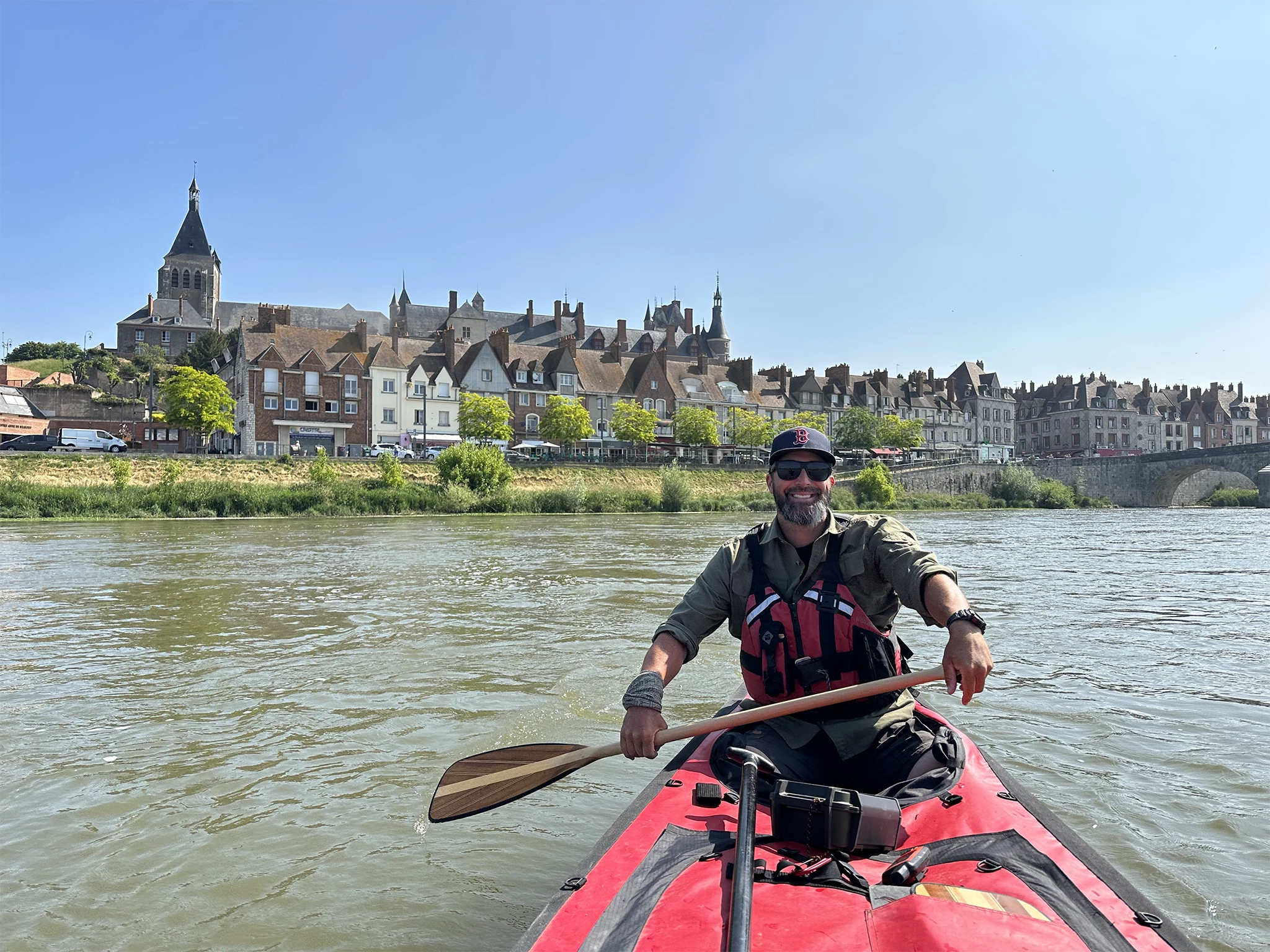
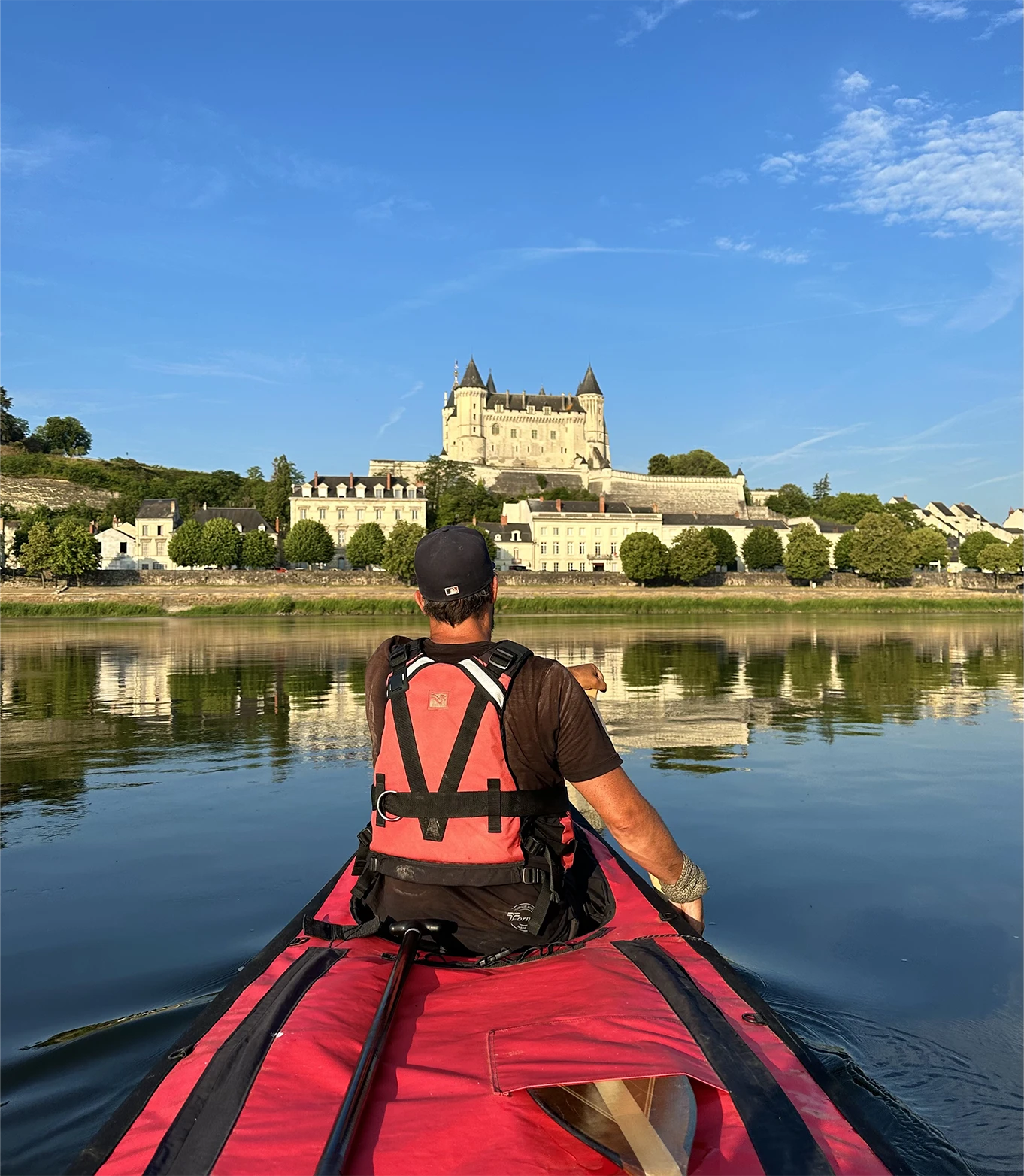
We completed the journey by navigating the legendary Loire River—also known as the Royal River—over nearly 540 kilometers, carried by the current all the way to the Atlantic Ocean. Stone bridges, castles, and charming villages lined our route, forming a succession of breathtaking sights that never grew old. I had been especially eager to see the famous Loire Valley castles that have earned the region its international reputation. We were also able to admire traditional boats up close—toues, fûtreaux, and gabares—which we encountered during our long 75-kilometer days on the water.
On the Loire, one had to remain cautious of the ever-changing moods of the sky, but the many sandy beaches made it easy to find shelter when needed. The surrounding forests were alive with thousands of birds, whose harmonious songs accompanied us day and night. For both birds and humans, there really should be a ban on nighttime noise between 10 p.m. and 7 a.m.—we would all sleep much better!
Our final day on the water, navigating the Loire estuary to its mouth at the Atlantic Ocean, was filled with emotion. It marked the end of a long journey. Our last paddle strokes in the now salty water were made in silence. I felt a deep sense of accomplishment and relief, but also found myself reflecting: Do I still want to take on such long expeditions? Do I still have the energy for it? I have yet to find the answers. Without fanfare, carried by the outgoing tide, we reached the sea. For the last time, we lifted the canoe onto the shore. It had allowed us to live immersed in nature for nearly a month and a half.
Alone at the Saint-Nazaire train station, I boarded a high-speed train bound for Paris, where I was to make a stop before continuing on to Valence to meet my friend Paul. With an unkempt beard, sun-worn clothes, and paddles and dry bags in hand, I took my seat as the landscapes now rushed by at incredible speed. Surrounded by well-dressed women in tailored suits, I was suddenly overcome by a sense of vertigo. My chest tightened, my breathing became irregular—I felt like an outsider, as if I didn’t belong.
Arriving in Paris was a nightmare. I was not prepared to face an ordeal far more intense than any storm we had encountered on the water. Dozens of trains were unloading passengers who moved with relentless speed. I stood there, frozen, in the middle of this rushing crowd. Children, adults, and elderly people maneuvered around me to move ahead. Disoriented, I had lost all my bearings.
My ordeal was not over. I still had to take the metro during rush hour. Like sardines in a metal can, I was pressed against others as bodies pushed in every direction to occupy every available inch of space. The heat was suffocating. In Quebec, we are used to waiting patiently in line, respecting the order of arrival. In France, it often feels like the first—and the strongest—wins. Only days earlier, I had felt strong and capable; now, I felt deeply vulnerable.
This mental strain finally came to an end when a kind businessman offered to guide me to the train that would take me out of the chaos of Paris. In Valence, reuniting with Paul instantly lifted the anxious weight I had been carrying on my now lean shoulders since leaving Saint-Nazaire.
The adventure had come to an end. The curtain was closing on this long expedition. Emotions collided, leaving behind a bittersweet feeling. In the final days on the Loire, tension between my teammate and me had become palpable. Mutual frustrations cast a shadow over what should have been a joyful conclusion. Although we shared the common goal of crossing France, our individual expectations diverged. It is easy to blame others for our discomforts, but sometimes it takes maturity to look inward and put things into perspective.
Since it was originally my project—one I had largely planned and fully financed—I feel that I may have lost my way, becoming too focused on my own interests. Perhaps I was not attentive enough to my partner. In a way, I imposed the pace without truly questioning or adjusting it along the way. I came to understand that even experienced paddlers can share the same journey without necessarily having compatible personalities.
Throughout my many long expeditions abroad, things have not always gone as planned. It has not always been enjoyable. I have often doubted, struggled, faced my inner challenges, and made mistakes. Along the way, I have made many meaningful friendships, but I have also lost some. I have learned valuable lessons and realized that my happiness is my own responsibility. The path I followed was, at times, winding, but it was worth it. Sometimes, we do not realize the value of a moment until it becomes a memory.
After a few days of rest and indulging in French specialties, I returned to Quebec. Coming home felt like a long period of recovery—a time to readjust to a more routine life, while my thoughts remained anchored in those unforgettable weeks spent on the old continent.
Discovering a country and its people through its waterways is an experience filled with a sense of romance. I had planned and dreamed of this expedition for over 12 months. Without my teammate Joris Leclercq, my sponsors, the “Angels of the River,” Paul Villecourt, Philippe Bouvat, and the support of my family, this dream adventure would not have been possible. Too few people allow themselves to set out on such journeys, but those who do understand just how meaningful the experience can be.
For me, being connected to nature is a way to confront my fears, heal my wounds, and feel more alive. Canoeing represents a profound sense of freedom—it is also about relaxing, dreaming, discovering, exploring, taking the time, and appreciating the beauty that wildlife and nature have to offer.
France revealed its most beautiful side to me and showed me the very best of humanity. It gave me hope for a gentler world, one filled with kindness and grace. The warmth, generosity, and hospitality I experienced from the French people truly touched me. I will never forget these precious “Angels of the River.” They welcomed us as if we were part of their families, sometimes even entrusting us with the keys to their homes or cars, even though we had been complete strangers just the day before. Those hundreds of thousands of paddle strokes, now memories, have helped shape who I am today.
The internet and the technologies connected to it are evolving rapidly, and access is now possible even in the most remote areas. When I began canoe-camping in 1999, cell phones did not exist. Over time, however, they have gradually become part of the essential gear for expeditions. During our canoe crossing of France, we had daily access to the internet. In this type of adventure, a phone can be extremely useful—as a GPS, for accessing maps, understanding distances to cover, identifying potential hazards, checking the weather, learning more about the regions we travel through, or making calls in case of need or emergency. In short, it’s an encyclopedia at our fingertips.
Moreover, modern phones are waterproof and far more resistant to impact. They allow us to take photos, film videos, and bring our “followers” along on the expedition in real time. The ego is highly sensitive to success and the number of “likes.” Finally, phones allow us to stay in touch with family. I believe their use can enhance or complement a canoe-camping adventure, although many purists would strongly disagree.
Unfortunately, during our long journey across France, we became completely dependent—almost addicted—to our phones. We were constantly glued to them: upon waking in the tent, during every break throughout the day, at every meal, and again in the evening. Conversations became rare. My teammate and I often withdrew into our own digital spaces instead of enjoying each other’s company and the calming presence of nature. We had brought extra batteries to keep our devices charged. In France, some mobile plans include up to 120 GB of data, making it effectively unlimited. Watching movies on Netflix or videos on YouTube posed no risk of exceeding our data limits.
Isn’t the purpose of being outdoors to return to the essentials, to reconnect fully with nature, and to take a break from our screens? I find myself caught in a paradox. At times, I engage in “tech shaming,” criticizing outdoor enthusiasts I consider too dependent on technology. Yet I, too, rely heavily on electronic devices during my adventures. I wonder if I am projecting my own shortcomings onto others as a defense mechanism.
The Canadian North is calling me. But even there, in vast, seemingly untouched wilderness, it is becoming increasingly difficult to find places where one can truly disconnect from the technologies that surround us.
Martin Trahan – Joris Leclercq – Paul Villecourt – Philippe Bouvat
Expedition 5
2022 · Écosse
Finding purpose, identity, and perspective through canoe expeditions. Learn more ↓
Full Story
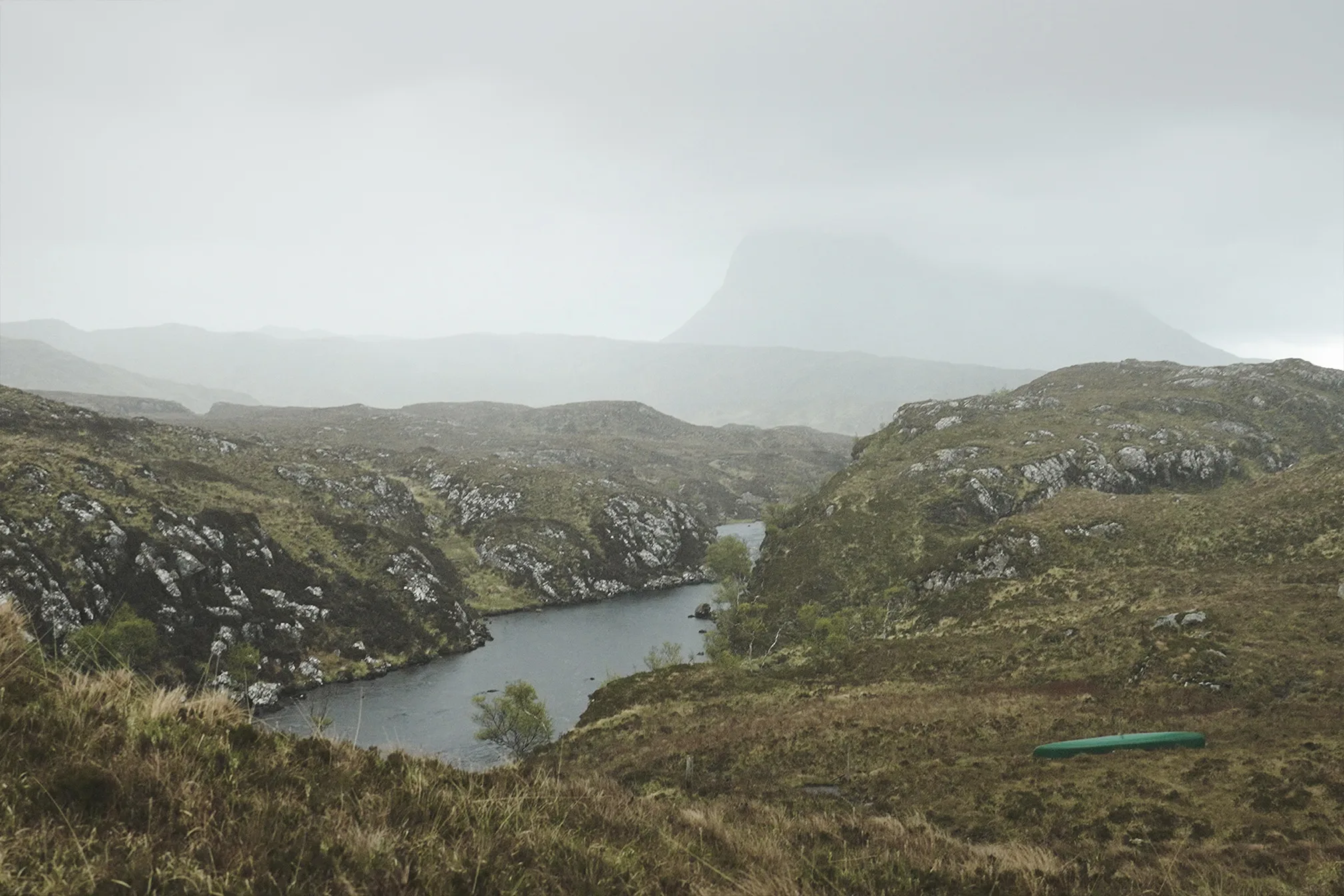
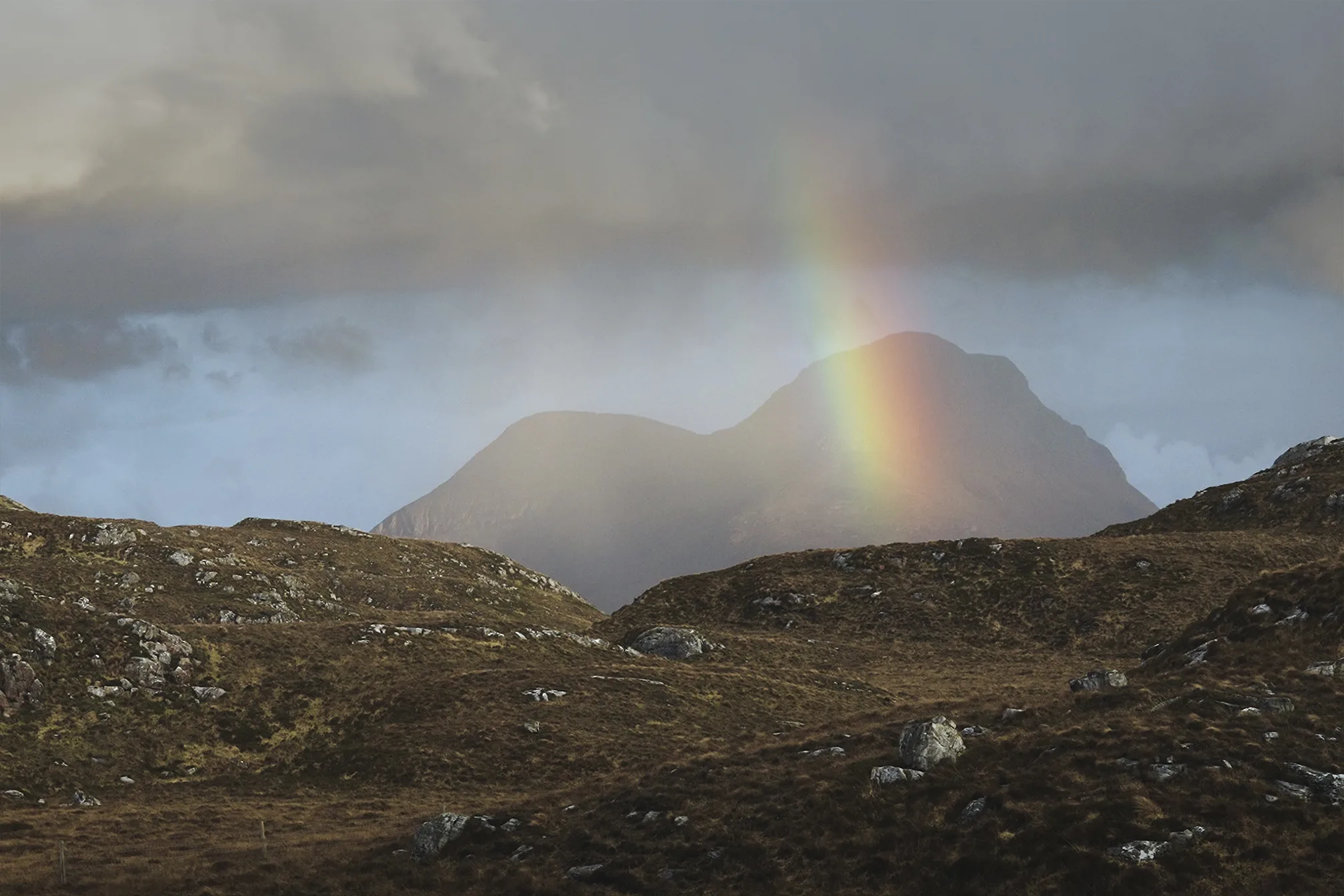
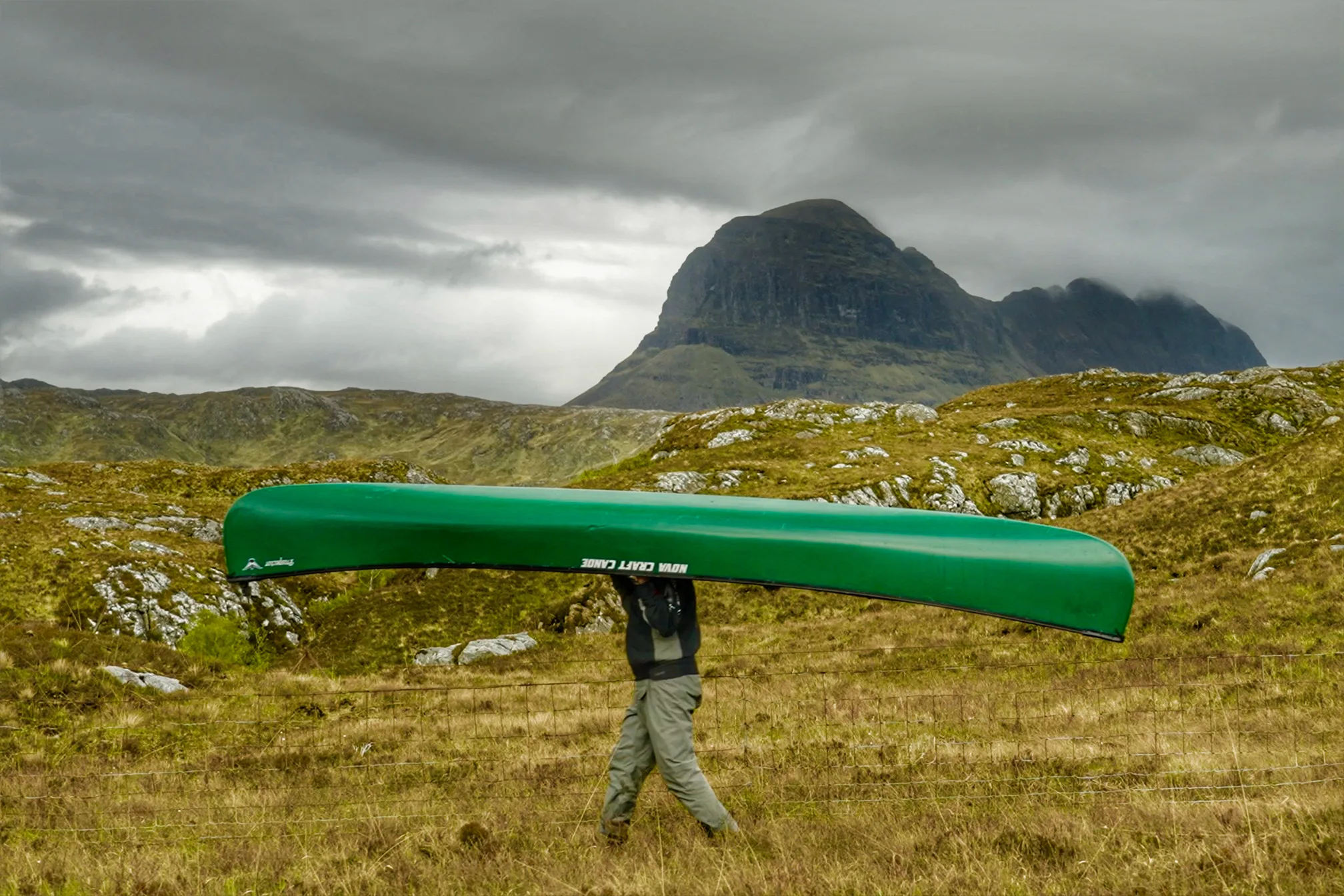
In May 2022, British adventure filmmaker Jamie Barnes travelled to Scotland with Canadian long-distance canoeist Martin Trahan. They set out to paddle a short but formidable route, but a series of tribulations made their expedition even more challenging.
The film A Canoe Perspective , available on YouTube, documents their journey while exploring why canoeing is more than just a form of recreation—it is a way of finding purpose, identity, and perspective in an ever-changing world.
“Our modern lives can sometimes make us too methodical and analytical. But the flow of nature doesn’t work like that; the wind and the water are ever-changing and do not conform to the plans we make. Canoeing teaches you to let go and be more present in the moment.” – Jamie Barnes
Martin Trahan – Jamie Barnes
Expedition 4
2021 · Colombie-Britannique
From Terrace on the Skeena River to the Pacific coast, then through the Great Bear Rainforest in the heart of the Coast Mountains to Kitimat along the Inside Passage. An immersion among giants, in a world in constant motion. Learn more ↓
Full Story
I asked my friend and adventure photographer, Yan Kaczynski, to design a route that would give us a first real introduction to the Inside Passage. Yan, a backcountry skier who, at the time, spent his winters in Terrace, British Columbia—and has since made it his home—knows the region intimately and had long dreamed of canoeing the legendary Skeena River. He designed an itinerary that would take us downstream along the Skeena to the Pacific Ocean, and ultimately to Kitimat.
For three of us, it was our first experience in sea canoeing, which I found both exciting and intimidating. Throughout the journey, we anticipated learning how to navigate tides, currents, whirlpools, heavy rain, storms, limited camping opportunities, saltwater conditions, as well as encounters with wildlife such as killer whales and grizzly bears. The expedition certainly lived up to those expectations.
Reaching our starting point was an adventure in itself. Yan flew to Terrace, while Charles was already living the van life in British Columbia. Daniel and I drove from Montreal with the canoes secured on the roof and all our gear loaded in the bed of a pickup truck. The journey spanned over 5,000 kilometers and became a memorable cross-country road trip. Crossing the Canadian Rockies was particularly striking, offering breathtaking and dramatic landscapes. It took us four days to traverse the country, with a brief but worthwhile stop in Alberta to paddle the iconic Maligne Lake.
Maligne Lake, often considered the crown jewel of Jasper National Park, offered us an unforgettable experience. At 5:30 a.m., under a sky filled with shooting stars, we set out alone on one of Canada’s most renowned glacial lakes. Having the lake entirely to ourselves was extraordinary. The water was perfectly still, reflecting the surrounding mountains like a mirror, while the calls of loons echoed in the silence. The sunrise behind the glaciers was nothing short of breathtaking—a truly magical moment that immersed us in a pristine wilderness setting.
The Skeena River in British Columbia is undoubtedly one of the most beautiful rivers we have ever had the privilege to paddle. Originally known as the K’shian River—meaning “where the mist comes out”—it fully lives up to its name. From the city of Terrace to the Pacific Ocean, the scenery was nothing short of breathtaking. Towering mountain peaks surrounded us, creating a landscape of remarkable grandeur.
Morning fog and low-hanging clouds were a constant presence, adding to the river’s mystique. Flowing through the Great Bear Rainforest, a truly exceptional ecosystem, the Skeena is a wild river rich in history, winding through the dramatic wilderness of the Coast Mountains. The region is home to abundant wildlife, including wolves, wild cats, and grizzly bears.
Renowned worldwide, the Skeena River is also a premier destination for wild steelhead and salmon fishing—an unparalleled playground for fly fishing enthusiasts. It’s safe to say that next time, we will dedicate more time to fishing.
Paddling the Skeena felt like stepping into a living painting—an almost surreal experience. Exploring a landscape through its waterways offers a unique and deeply immersive perspective. As we moved along the majestic flow of the Skeena River, each paddle stroke felt like a deliberate gesture, contributing to a living canvas shaped by nature. Towering mountains rose around us, their peaks seemingly reaching into the sky, while the dense, vibrant forests echoed with the presence of those who had traveled this river before us.
Gradually, the rhythm of the river became our own, aligning with our movements and grounding us in the landscape. We followed its currents—sometimes calm, sometimes more dynamic—embracing the sense of progression and discovery with every turn. In the evenings, we set up camp along the riverbanks, accompanied by the steady sound of flowing water. Gathered around the campfire, we shared stories and quiet moments, fully immersed in the raw beauty of the wilderness that surrounded us.
After completing the 150-kilometre descent of the Skeena River, we reached the Pacific Ocean and entered the remarkable Grenville Channel. Stretching over 83 kilometres and narrowing to just 370 metres at certain points, this long, straight passage is bordered by steep, densely forested mountains on both sides.
Suitable campsites were relatively scarce, but those we found were of exceptional quality. Navigating the channel required careful planning, particularly with respect to tidal movements. Aligning our travel with favorable tides proved essential, allowing us to cover significant distances, as the current is often too strong to paddle against. Along the way, we were frequently accompanied by curious seals, adding a lively presence to this otherwise remote environment. The long, confined channels of coastal British Columbia demand sustained mental focus, yet they consistently reward the effort.
The transition from freshwater to saltwater was smoother than anticipated. Weather conditions were on our side, with calm seas and a steady tailwind facilitating our progress. The temperate rainforest, among the wettest non-tropical regions in the world, lived up to its reputation. Well-equipped with high-quality rain gear and drysuits, we remained protected from the persistent moisture.
At the end of each day, as the light softened toward sunset, finding a suitable campsite in an old-growth forest brought a deep sense of satisfaction. We would unload the canoes, set up camp, change into dry clothing, and prepare a warm meal. These quiet moments of rest, surrounded by the stillness and beauty of the landscape, offered a meaningful conclusion to each day’s journey.
Portaging is an aspect of canoe travel that we particularly appreciate—provided the loads remain manageable. It offers a welcome change of pace from paddling and creates opportunities to venture deeper into remote areas, often revealing remarkable and otherwise inaccessible landscapes. While it can be enjoyable, portaging also represents a significant physical and mental challenge, especially in adverse conditions such as rain or steep, rugged terrain.
Along the Inside Passage, there are no established portage trails. However, the significant tidal variations of the Pacific Ocean required us to perform short carries across the intertidal zone to access suitable campsites and return to the water the following day. The amplitude of these tides was striking, reaching up to seven metres during full moon periods.
We encountered particularly challenging weather conditions, including six consecutive days of rain, which left much of our equipment and shelters persistently damp. Across more than 500 cumulative days spent on long canoe expeditions, I had rarely experienced such sustained precipitation.
Surprisingly, these conditions proved more manageable than expected. Paddling through the Great Bear Rainforest meant embracing its inherent climate, and with reliable equipment, we remained well protected. Our shelters and technical gear allowed us to maintain a level of comfort, even during periods of intense and continuous rainfall.
We had the rare opportunity to paddle through the Devastation Channel in the presence of truly remarkable wildlife. On two consecutive days, for nearly an hour each time, we observed a group of humpback whales breaching repeatedly, revealing the full magnitude of their size and power. The spectacle left us in awe, instilling both a profound sense of humility and admiration.
During one particularly memorable moment, a whale surfaced and exhaled just in front of my canoe before disappearing beneath the water. It was the first time I had experienced such close proximity to a whale—an encounter that was both exhilarating and deeply humbling, tinged with a sense of vulnerability.
We were equally struck by the abundance of coastal waterfalls cascading down the steep terrain. Although time constraints limited our ability to explore them fully, these sites became essential points for collecting fresh water and refilling our equipment. Following several days of sustained rainfall, the waterfalls surged with intensity, offering a powerful display of the region’s natural forces.
The channels we navigated were rich in wildlife and natural beauty, continuously inspiring a sense of wonder. Throughout the journey, we remained deeply aware of the privilege of traveling these waterways—routes historically used by Indigenous peoples, who long before us recognized and respected the profound beauty of this coastal environment.
Paddling the Inside Passage felt like traveling through a sacred place. Everything around us felt oversized and deeply alive. Forests clinging to cliffs, trees covering steep hillsides, mountains rising straight out of the shoreline. The rainforest was dense, wet and overflowing with life. The colors were deep, intense. Nothing felt static. Everything was moving, breathing. Tides, swells, constant motion.
It rained like I’ve never experienced before. The kind of rain that soaks everything and never really leaves. Even at night, water dripping from giant trees fell in thick drops, hitting the tent hard enough to wake me up. When I think about paddling among giants, I mean all of it, ancient forests, whales surfacing nearby, waves that remind you how small you really are. This land and these waters carry a deep history. Territories that have been home to First Nations peoples for thousands of years. Being there asked for respect and humility.
Intimidating and breathtaking at the same time. Rainforest everywhere. Raw elements. Constant movement. This was my first time on the ocean. And that changes everything. The scale is different, the margins thinner and the consequences harder to read. What could have been manageable elsewhere felt like it could turn serious very fast. It was only once we reached the coast that I understood how different it was from lakes and rivers, how exposed we were, how slow a canoe feels, how limited the landing options can be and how differently weather behaves on salt water.
Canoeing the Inside Passage tides is a dance with nature’s rhythm. The tidal currents in this breathtaking waterway are like a symphony, ebbing and flowing with a powerful force. As you paddle along the rugged coastline, you must be attentive to the changing tides, which can dictate your speed and direction. Timing is everything; harnessing the outgoing tide can propel you forward, while fighting against the incoming tide can be a rough challenge.
Navigating these tides also offers a unique opportunity to witness nature’s spectacle up close. From nasty gusts to big waves, each moment on the water is a reminder of the untamed forces at play. Canoeing the Inside Passage tides is not just a test of skill; it’s a humbling experience that connects you to the rhythms of the sea.
Camping under the starlit sky or under pouring rain on remote islands or on the main land and sharing stories around a crackling campfire or under the tarp, you forge connections not only with your fellow adventurers but also with the land itself. Canoeing the Inside Passage is not just a canoe trip; it’s an inspirational odyssey that leaves an indelible mark on your heart.
It’s an understatement to say that we feel accomplished after this beautiful journey. It was an honour and a privilege to canoe the land of the Tsimshian and the Haisla First Nations. We were looking forward to learning about the sea, the channels, and their tides and currents – we loved it.
Canoeing the Skeena River, just like canoeing the Inside Passage was more than just a canoe journey, it was a spiritual experience and a communion with the natural world. As we paddled, we carried with us the memories of this sacred river, knowing that its wild spirit will forever flow in us.
I still aspire to paddle the entire Inside Passage by canoe one day. One of the most beautiful routes imaginable.
Martin Trahan – Yan Kaczynski – Daniel Barriault – Charles Fortin
Expedition 3
2018 · États-Unis
A 7,500 km canoe journey across a vast portion of the United States, linking the Pacific Ocean at Astoria, Oregon, to the Atlantic Ocean at Key Largo, Florida. A 190-day expedition through a country of remarkable beauty. Learn more ↓
Full Story
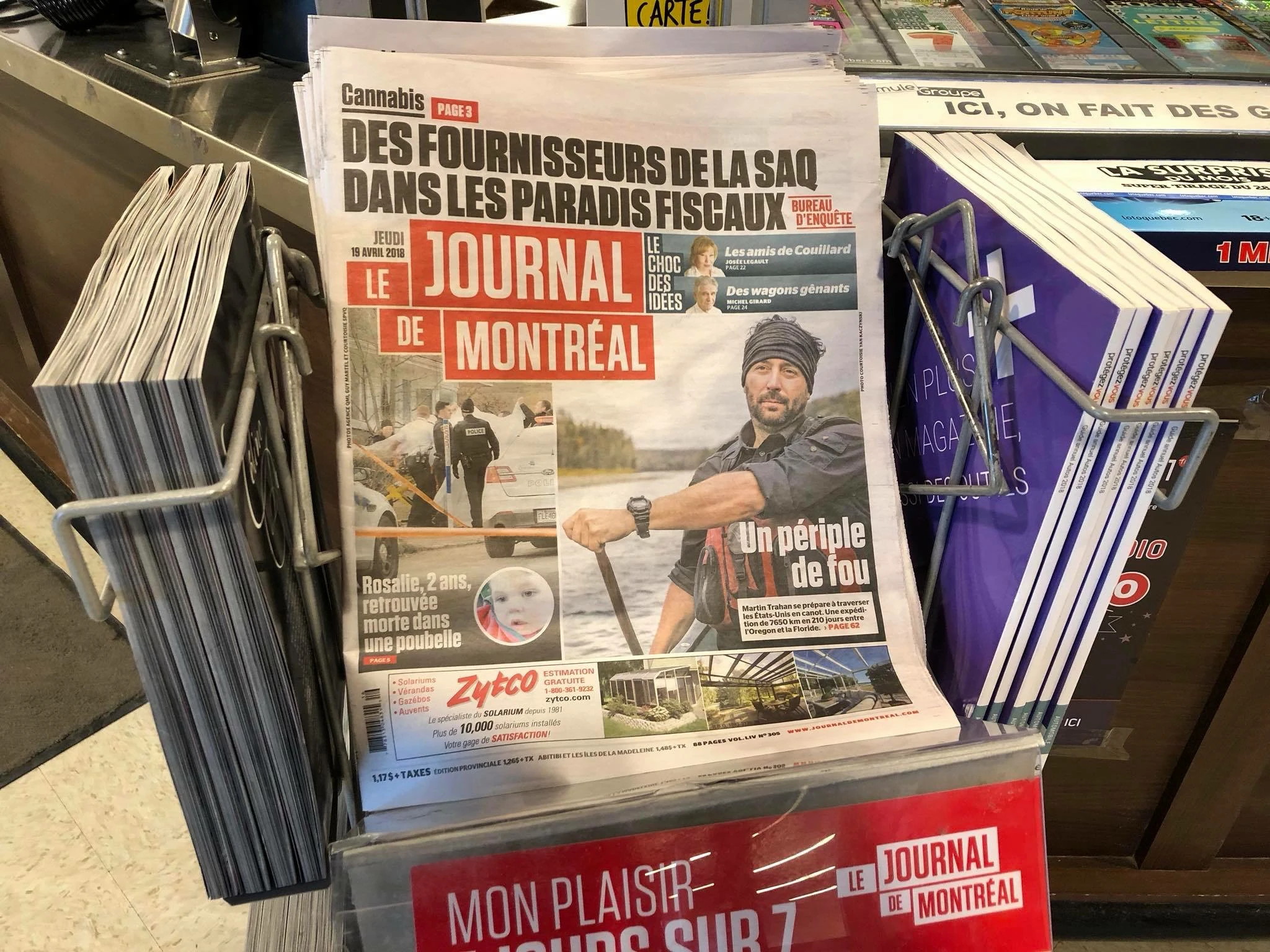
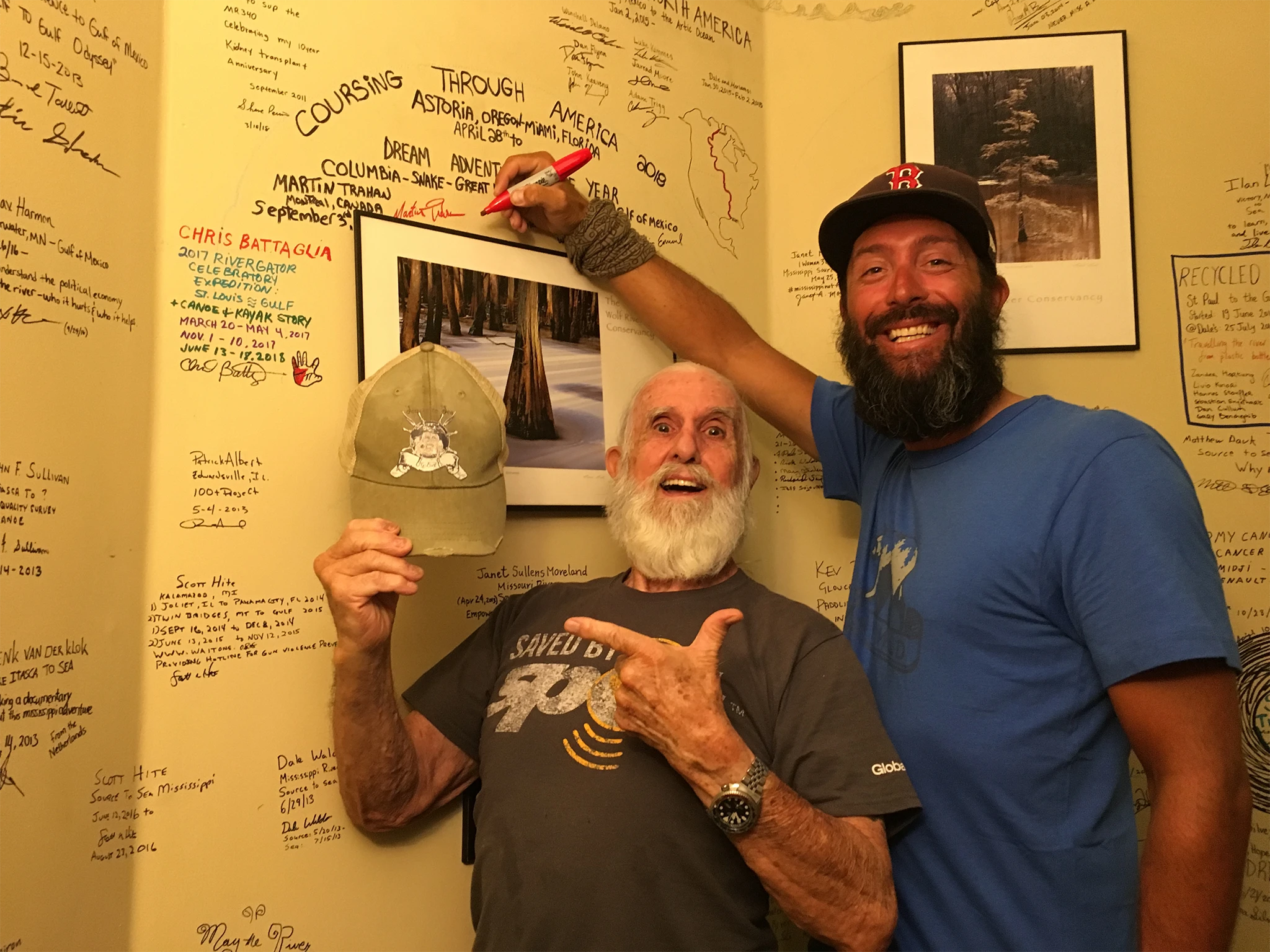
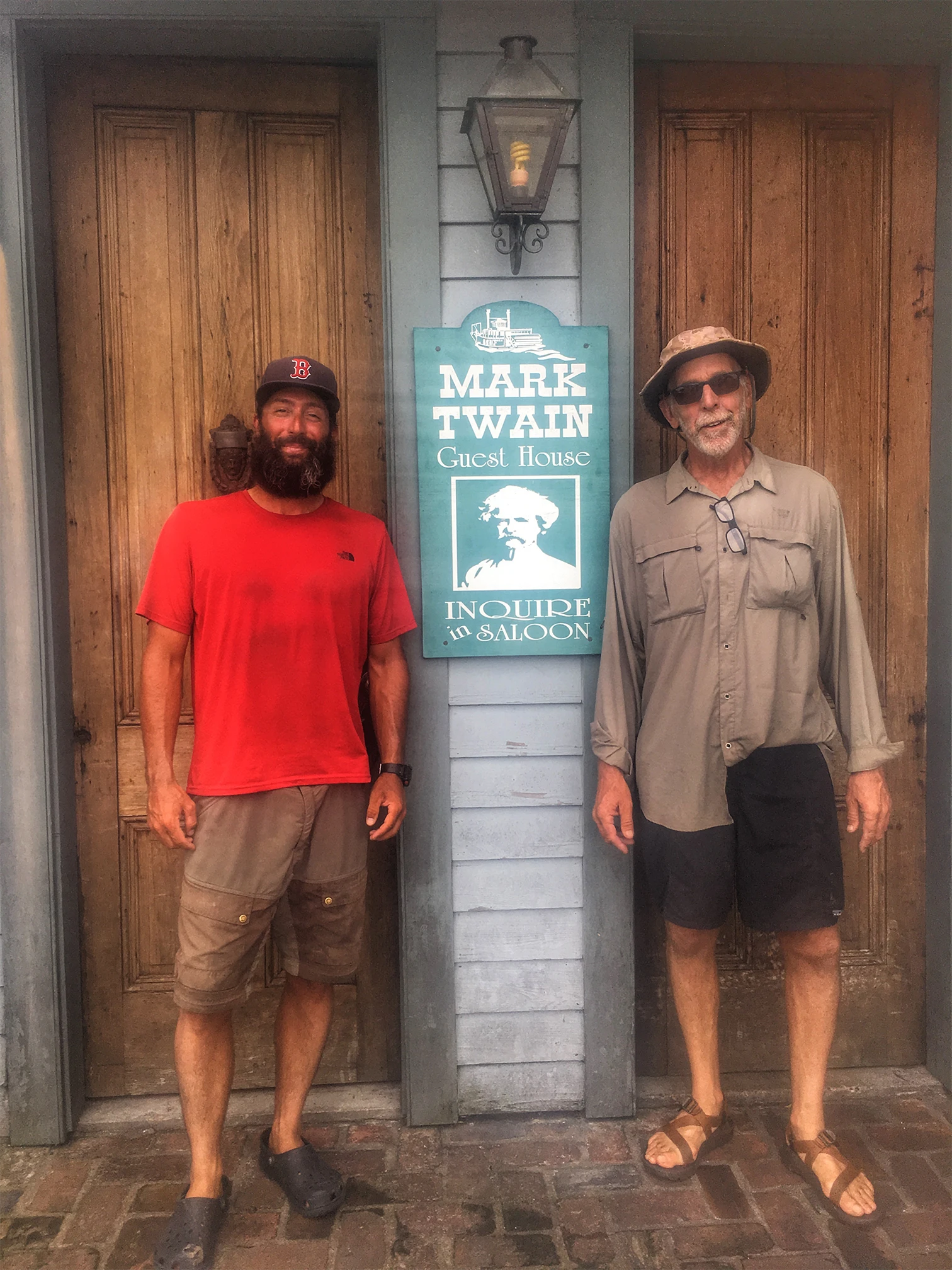
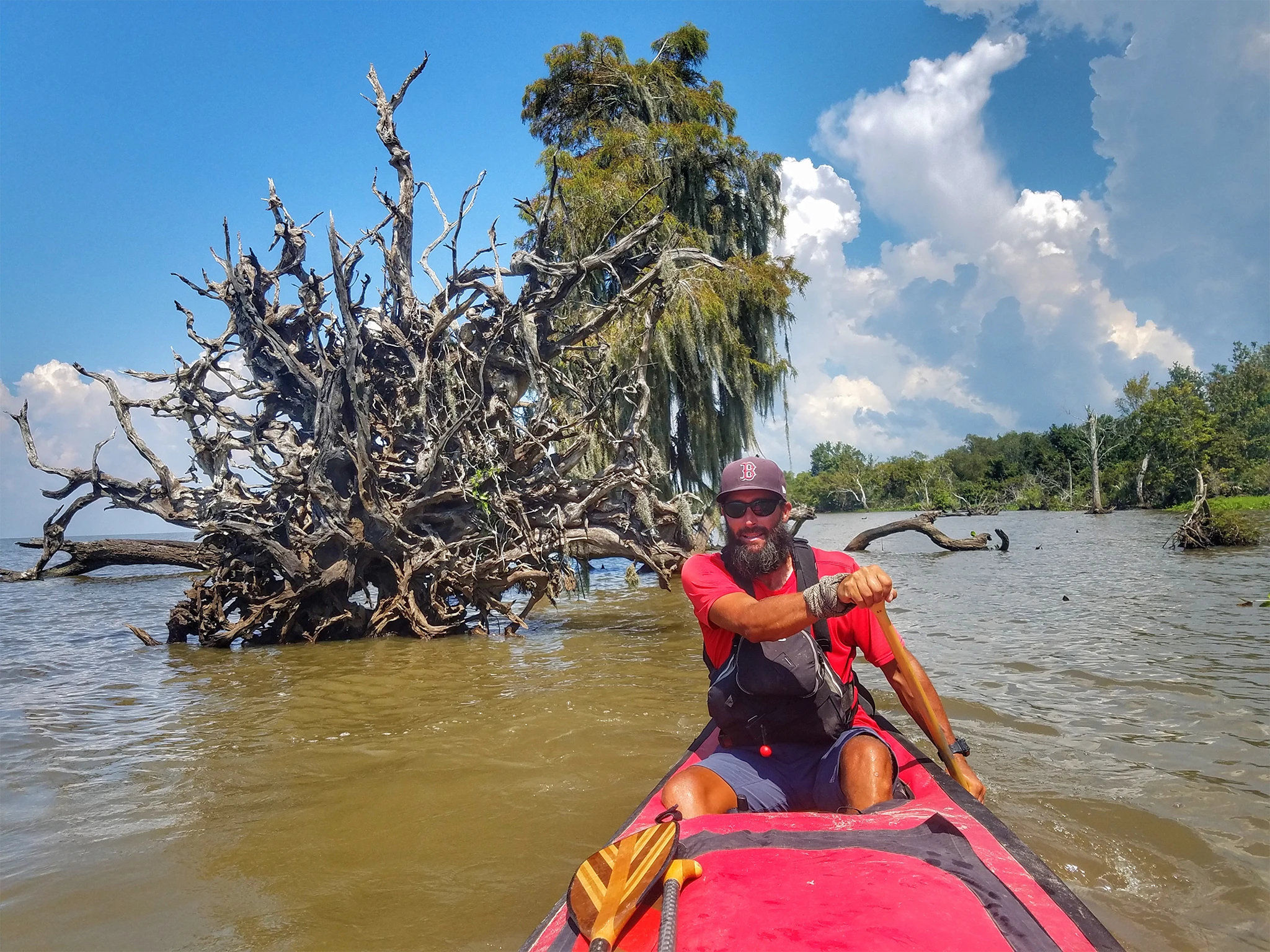
From April 28 to November 4, 2018, I completed a transcontinental journey across much of the United States by canoe, connecting the Pacific Ocean at Astoria, Oregon, to the Atlantic Ocean at Key Largo, Florida. This experience gave me a unique perspective on the country and its people, explored almost entirely through its waterways. Throughout the expedition, I paddled alongside different teammates and also traveled a portion of the Gulf of Mexico solo.
As you can imagine, this trip took a gruelling 190 days to complete the 4,700 miles (7,500 kms) from coast to coast. Inspired by Verlen Kruger, Bill Mason and Frank Wolf, this adventure took me across America’s natural waters to pursue my dream of discovery, understanding and consciousness of the world around me. This incredible seven-month journey empowered me to engage in a close relationship with nature while retracing the legendary explorations of many historical voyageurs such as Lewis and Clark, Louis Jolliet, Jacques Marquette as well as following the traces of America’s First Nations.
Two days before the start of the expedition, I felt a deep sense of relief after successfully clearing U.S. customs. During a lengthy 90-minute interview with a customs officer, I began to worry that I might be denied entry, and that the time, effort, and financial resources invested in the project could be lost. For an hour and a half, a stranger held my dream in his hands, with the authority to determine its outcome.
I had requested permission to remain in the United States for seven months, but I was granted a six-month stay. Within minutes, my decision was made: I would find a way to complete the expedition within that timeframe.
I embarked on this adventure with a sense of lightness and great excitement. For me, the first day of any expedition is always the most memorable, as it represents the culmination of extensive preparation, personal sacrifices, and the realization of a long-held dream.
I am deeply grateful for the support we received from Ryan Heck, whom I initially knew only through Instagram. Ryan generously transported a significant portion of our gear, along with food and essential equipment, to Astoria. He was also present at our departure, capturing photographs that documented the beginning of our journey.
This journey began on the shores of the Pacific Ocean in Oregon. From there, we paddled upstream along the Columbia River for nearly 315 miles (500 kms), contending with strong currents. Along the way, we completed portages around four major hydroelectric dams before reaching the city of Burbank, Washington.
The first seven days on the Columbia River were particularly demanding and served as a humbling introduction to the expedition. Canoeing upstream during spring flood conditions, contending with daily tidal shifts that often peaked midday, facing persistent strong winds, and managing a shortage of suitable campsites due to elevated water levels all underscored the immense power of the river—something I had initially underestimated. I cannot recall another time when I had to paddle with such sustained intensity. Despite these challenges, we maintained a daily distance of 22 to 25 miles (35 to 40 kms) and were fortunate to avoid rain. Physically, the effort was taxing; my hands became covered in blisters. Yet, the Columbia River Gorge revealed extraordinary natural beauty, with its dense forests and striking mountain landscapes leaving a lasting impression.
On the twelfth day, at approximately 6:00 p.m., we began searching for a campsite along the river. With water levels nearly eight feet above normal, the usual beaches were submerged, leaving only tall grass along the banks. After unloading our equipment, we climbed to higher ground. It was at that moment that I was struck by a sudden sense of unease, accompanied by an unexpected surge of anxiety.
I asked my teammate to stop making noise, but she did not hear me. I repeated my request more firmly, raising my voice slightly. At the time, I was standing on small tree trunks when I distinctly heard the unmistakable sound of a venomous rattlesnake. I took a brief moment to locate it, followed by the sudden realization that I had been standing directly on it. Startled, I quickly stepped aside.
With growing concern, I carefully examined my ankles and calves—there were no signs of a bite. On that day, fate was on my side. I had come dangerously close to death, an experience that left me with a profound sense of unease.
By day fourteen, the increasingly arid climate had dramatically transformed the landscape, revealing vast mountainous and desert scenery of striking beauty. Lush green vegetation had given way to terrain dominated by cacti, evoking the atmosphere of a classic Western film.
We then canoed upstream along the Snake River, covering approximately 140 miles (225 kms). Rich in history and set within a semi-arid environment, the river offered breathtaking panoramas. These moments of natural beauty provided a welcome respite from the demanding and rugged nomadic lifestyle we endured throughout the journey. After portaging around four additional hydroelectric dams, we continued navigating toward the town of Lewiston, Idaho.
Between Lewiston, Idaho, and Helena, Montana, we faced the formidable challenge of a 375-mile (600-kilometre) portage across the Rocky Mountains. This demanding stretch tested our physical endurance as we pushed through persistent muscle pain and fatigue. Despite the difficulty, we were continually rewarded with breathtaking scenery, surrounded by towering peaks and the winding Lochsa River.
Our two-day stop in Lewiston allowed us to recover physically and witness our story being shared on local television and in the newspaper. We were warmly received by the community and, for a brief moment, became local celebrities. As we began the portage, many passing drivers offered encouragement—some waved, others stopped to speak with us, take photos, or offer financial support. Their kindness gave us renewed energy, helping us push through the intense strain on our calves and feet.
Before beginning this long crossing, I visited the Nimiipuu (Nez Perce) First Nations community to respectfully request permission to travel across their lands. During our portage, an elder met with us and performed a traditional prayer to offer protection for our journey through the mountains. This moment carried deep meaning and set the tone for the days ahead.
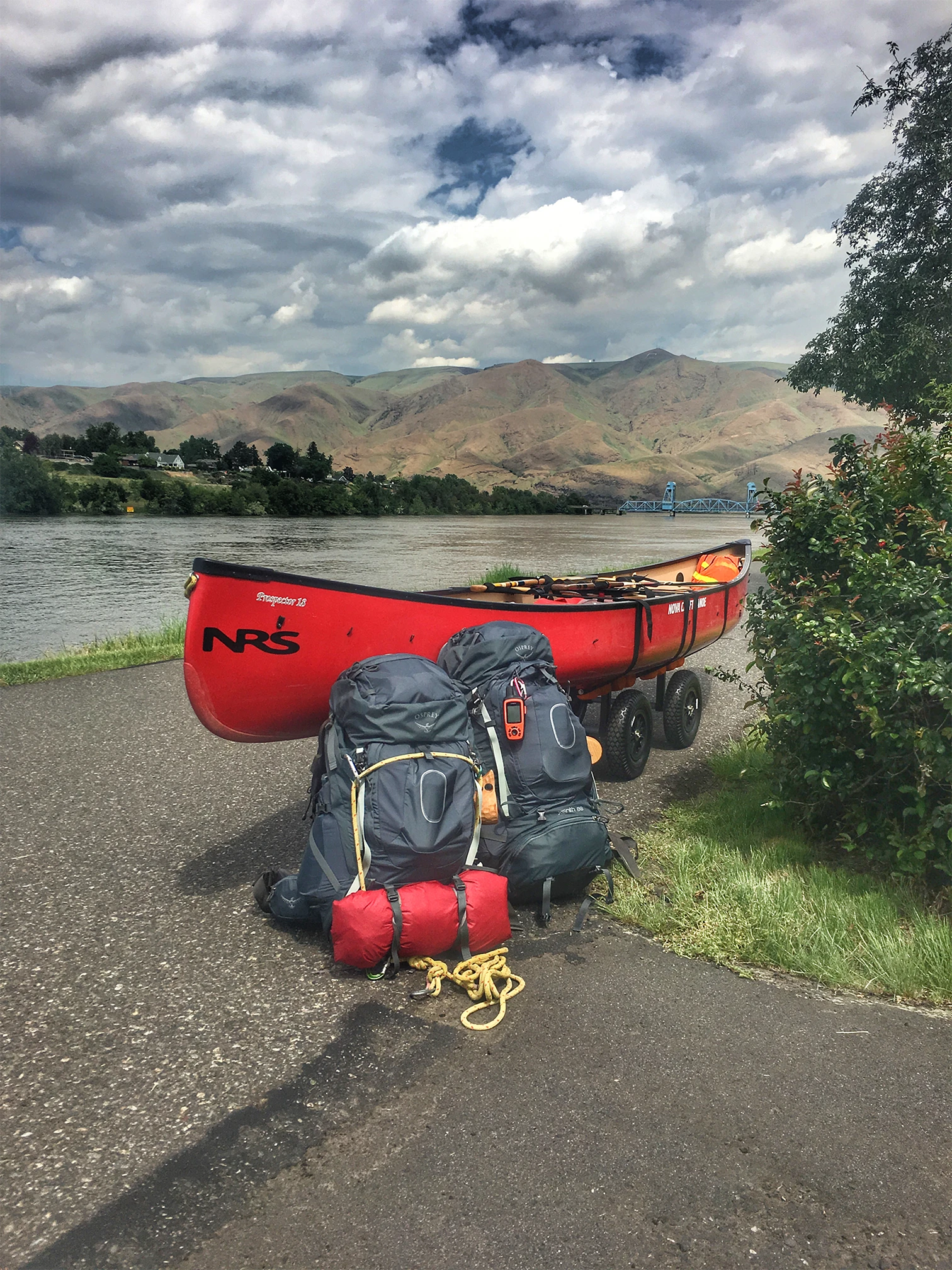
Initially, I had planned to complete the portage using bicycles equipped with trailer carts for the canoe and our gear. However, given my lack of experience in mountainous terrain, I quickly realized that managing such a heavy load would not be safe. There was also something profoundly meaningful about crossing the Continental Divide on foot. The long hours walking provided space for reflection and meditation.
What became a ten-day journey—half of the initially anticipated twenty days—forced me to confront my own limits. On the first day, as I lifted my 75-pound pack and began pushing the fully loaded canoe, I felt a wave of doubt. I do not consider myself an athlete; aside from occasional hikes, I had little experience with such sustained physical exertion. Yet, step by step, we continued forward.
During this leg of the journey, we relied on two canoe carts from WCK, which allowed us to conserve energy while still progressing steadily. However, when the shoulder along Highway 12 disappeared, we made the decision to accept rides until it resumed further ahead. Safety became our primary concern—not only for ourselves but also for others. We were uncomfortable with the idea that local drivers might endanger themselves to avoid us on a road heavily used by logging trucks. In total, we covered approximately 50% of this portage by vehicle, made possible through the generosity of Thomas Edward Eier.
Throughout Idaho and Montana, we were immersed in landscapes of remarkable beauty. Clear, fast-moving rivers surged with the energy of spring runoff, while endless mountain ranges—many still capped with snow—stretched across the horizon. Along the way, we encountered numerous cowboys, adding a sense of authenticity and adventure to the experience.
The day before reaching the summit, the weather deteriorated significantly. We were met with hail and snow, and conditions quickly became severe. With my hands numbed by the cold, even the simple act of pushing the canoe became a strenuous task.
As spring set in, the changing season brought not only milder temperatures but also increased wildlife activity. In Montana, we remained constantly vigilant for both black bears and grizzly bears, which emerge during this time to hunt and fish. At night, the thin fabric of our Exped tent offered only a limited sense of protection against the surrounding wilderness. Although we did not encounter any bears directly, it is likely that some observed us from a distance.
During the portage, we had the privilege of meeting Norm Miller and his partner. Norm is widely regarded as a living legend—an encyclopedic source of knowledge on major canoe expeditions across the U.S.. His expertise on the Missouri River, in particular, is unparalleled. It was a true honor to meet him.
Upon reaching Helena, Montana, we were graciously hosted by Will Garvin, whose kindness and hospitality provided us with a much-needed respite. The two days we spent there allowed us to recover and reflect on what we had accomplished.
We then navigated the legendary Missouri River for nearly 2,250 miles (3,600 kilometres). With the advantage of the current, we were carried steadily downstream, allowing us to increase our daily distance as we progressed toward our final destination. On our longest day, we covered an impressive 163 kilometres (101 miles).
Along this stretch, numerous First Nations communities are located near the Missouri River. I was eager to learn more about their ways of life, hoping to deepen our understanding of the diverse cultures and environments connected to the river. For over 12,000 years, Indigenous peoples have relied on the Missouri River and its tributaries as vital sources of sustenance and transportation.
Portaging around the 14 hydroelectric dams along the river tested our endurance once again. Along the way, we encountered many generous individuals whose support became an integral part of our journey.
While paddling across Lake Sakakawea in North Dakota, we had the privilege of being hosted by a true local legend, Peggy Hellandsaas. She welcomed us with remarkable warmth and generosity, providing us with a small cabin where we could rest and recover. She prepared a hearty meal for us and shared her knowledge of the region’s history, enriching our experience of the area. Our stay coincided with Independence Day celebrations, and witnessing the fireworks was truly unforgettable. Peggy’s kindness and hospitality made this stop one of the most memorable moments of our journey.
The lower Missouri River valley exposed us to severe weather conditions, including violent storms and even a tornado. This period coincided with peak tornado season in the United States, particularly in Montana, North Dakota, and South Dakota. While several powerful storms narrowly missed us, other paddlers ahead were not as fortunate. They faced extreme conditions—high winds, heavy rain, hail, lightning, and damaged equipment.
Canoeing nearly the entire length of the Missouri River also meant traveling through a corridor rich in history. Each bend in the river seemed to echo the journeys of those who came before us—Indigenous peoples who relied on these waters for millennia, as well as early explorers, and members of expeditions such as Lewis and Clark, who navigated these same currents in the early nineteenth century. Remnants of this past remain visible along the riverbanks, from historic settlements to traces of former trading routes. Moving steadily downstream, we became acutely aware that our journey was part of a much longer human story, shaped by exploration, survival, and the enduring relationship between people and this powerful river.
Upon reaching the city of St. Louis, we took a well-deserved, albeit brief, three-day rest at the home of Mike "Big Muddy" Clark. After this short reprieve, our initial plan was to continue along the Ohio, Tennessee, and Tombigbee Rivers for approximately 750 miles (1,200 kilometres), ultimately reaching Mobile Bay on the Gulf of Mexico.
However, following extensive discussions with experienced paddlers from the United States, I decided to revise the route and instead continue downstream along the Mississippi River toward the city of New Orleans. This alternative proved to be an exceptional experience. The river’s vast sandbanks allowed for camping on expansive beaches each night, and, somewhat unexpectedly, navigation was relatively straightforward. Sharing the waterway with towboats and barges required caution, but it was manageable and became a natural part of the journey.
Canoeing the Mississippi River meant following one of the most iconic waterways in North America, a river deeply embedded in the continent’s history and imagination. From its confluence with the Missouri, the Mississippi has long served as a vital artery for Indigenous nations, traders, and settlers. Paddling its waters evokes the legacy of figures such as Mark Twain, whose writings immortalized the river, as well as the journeys of early French voyageurs and later expeditions that shaped the expansion of the United States. The river carries a powerful sense of scale and continuity—its broad channels, constant currents, and heavy barge traffic create an environment that is both humbling and demanding.
While paddling the Mississippi River, we had the privilege of stopping in Memphis to meet Dale "Greybeard" Sanders, a true legend in the paddling community. At the age of 87, Sanders became the oldest person to paddle the entire Mississippi River from source to sea, earning a Guinness World Records title for this extraordinary achievement. His journey stands as a powerful testament to perseverance, resilience, and a lifelong spirit of adventure. Beyond his accomplishments, he proved to be an exceptionally kind and generous host, welcoming us warmly and taking great care of us during our stay. Meeting him was one of the most memorable moments of the entire journey, and his example remains a profound source of inspiration.
After months of determined and demanding paddling, we finally reached the Gulf of Mexico via the Atchafalaya River. It was my first experience navigating bayous, surrounded by alligators and bald cypress trees—an environment both unique and captivating. This marked the end of the journey for my companions, Jim Emmanuel, a retired firefighter from Montana, and Park Neff, a Baptist pastor from Mississippi.
We then had a truck ride to New Orleans, where we were generously hosted by Brian Markey for a well-earned three-day rest. From that point onward, I continued alone for the final leg of this remarkable adventure. With each stroke, I took in the vastness and beauty of the Gulf of Mexico. Evenings were defined by striking sunsets that gave way to expansive, star-filled skies, creating moments of quiet reflection.
At the same time, the environment demanded constant vigilance. I remained mindful of potential dangers, including encounters with wildlife such as sharks, snakes, spiders, alligators, wild boars, and ticks. With hurricane season at its peak, I was continually reminded of the power and unpredictability of nature, and the importance of respecting it at all times.
Shortly after I began paddling along the Gulf of Mexico, the weather forecast became increasingly concerning. With severe conditions approaching, I made the decision to pause my journey in Biloxi, as it did not feel safe to continue alone under such circumstances. I was graciously welcomed by William Ladnier and his two daughters, Juliana and Aubrey, whose kindness and hospitality provided both comfort and security during this time. Staying with them proved to be a truly memorable experience. They even offered me the opportunity to sleep aboard their big boat, which added a unique and enjoyable dimension to my stay. William, Juliana, and Aubrey were exceptionally generous and warm-hearted, and their support left a lasting impression that I will always remember.
On October 10, I was in Panama City when Category 5 Hurricane Michael made landfall, with peak winds reaching 160 mph (250 km/h). It was one of the most powerful hurricanes ever to strike the United States. For approximately fifteen minutes, I genuinely feared for my life as the storm unleashed its full force. The devastation was immense, with many lives lost and entire communities left in ruin. The following morning, the reality of the destruction was difficult to comprehend—it felt almost unreal.
I would like to express my deep gratitude to David Erdman and his family, who drove 90 minutes to pick me up in Apalachicola and welcomed me into their home two days before the hurricane struck. Their generosity and hospitality likely saved my life.
Since the beginning of this expedition, I had consistently experienced the kindness, generosity, and warmth of people across the United States. In the aftermath of the storm, I felt a strong desire to give back and remained for ten days to assist in recovery efforts. To avoid paddling through the most heavily affected areas, I traveled by truck from Panama City to Palm Harbor, where I was hosted by Mark Dierking and his family.
Returning to the canoe proved to be unexpectedly difficult. It took time for me to recognize that I was experiencing symptoms consistent with post-traumatic stress. Around the same period, I also developed a heightened fear of sharks, particularly after several close encounters near my canoe. I did not feel as confident or resilient as before.
On November 4, 2018, at 9:13 a.m., this extraordinary journey came to an end on the shores of Key Largo, in the Florida Keys, after paddling through the Everglades alongside my teammate Scott Hite, navigating waters inhabited by crocodiles. There could not have been a more peaceful and fitting place to conclude what had become the adventure of a lifetime—4,700 miles (7500 kms) from where it all began seven months earlier. After a few days of rest and reflection at Florida Bay Outfitters, I returned home to Montreal, carrying with me a wealth of experiences, vivid memories, and stories that will remain with me for the rest of my life.
With the completion of the Coursing Through America expedition, a significant chapter of my life came to a close. It was a chapter I had carefully envisioned and developed over many months, shaping a project that once existed only as a dream. Returning home marked the beginning of a long period of recovery, both physically and mentally. Reintegrating into everyday life proved to be a considerable challenge, as I was psychologically exhausted and my thoughts remained deeply immersed in the intensity of the journey.
I move closer to a sense of fulfillment with each new adventure. For me, canoeing represents a form of reflection—an opportunity to slow down, to observe, and to appreciate the richness of the natural world. Crossing a country that was not my own required constant adaptation to unfamiliar environments and realities. Nature revealed itself in many forms: at times calm and generous, at others powerful and unpredictable, demanding respect at all times. The United States offered an extraordinary diversity of landscapes—oceans, gulfs, rivers, lakes, reservoirs, beaches, mountains, deserts, plains, mangroves and bayous.
Equally meaningful were the many encounters I experienced along the way. The people I met demonstrated exceptional kindness and generosity, welcoming me with a level of hospitality that often felt familial. These individuals—true “river angels”—left an enduring impression, and the memories we shared will remain with me for a lifetime. Such experiences have strengthened my faith in humanity. For me, there is no more meaningful way to discover a country than by following its waterways. These journeys create opportunities for extraordinary encounters and, above all, allow me to feel deeply alive.
This expedition was the result of more than eighteen months of planning and dreaming. It would not have been possible without the support of my sponsors, the river angels, the people who paddled alongside me, and my family. Their encouragement and generosity transformed an ambitious idea into a life-changing reality.
During the winter that followed my expedition, I found myself profoundly disconnected. I felt a deep sense of sadness and a longing for life on the water. Returning home, I had the impression of re-entering a world that no longer fully resembled me. Life on the edge—living simply, traveling by canoe—had, in many ways, become my true environment. I often say that I move closer to fulfillment one adventure at a time, and in its absence, something felt missing.
Some refer to this experience as “post-expedition blues.” However, I believe the more accurate term is post-expedition depression. It is a difficult reality to acknowledge openly. In a culture where people tend to present only the best versions of themselves—particularly on social media—it is uncommon to admit, “I am struggling.” For my part, I have never wanted to project the image of a superhero or an invulnerable adventurer.
Over time, I came to accept the inevitability of this emotional aftermath. For a long period, I avoided confronting it, even within myself. Yet, many adventurers experience similar feelings, though the subject remains largely unspoken. There is a persistent stigma, and as a result, many choose silence over vulnerability, perhaps fearing how they will be perceived.
Adventurers are often viewed as resilient, fearless, and unwavering—individuals capable of overcoming extraordinary challenges. After my early expeditions, I found myself trying to conform, at least in part, to that image. Eventually, I realized that this perception did not reflect my reality. Strength also lies in acknowledging one’s limits.
At the end of each expedition, I find myself caught between two opposing states: the euphoria of accomplishment and a deep physical and mental exhaustion. One of the most common questions I am asked is, “What’s next?” Yet, for me, the journey does not end upon arrival. The return home is an integral part of the expedition—and often the most difficult phase. It is far more complex to navigate than planning, enduring storms, or managing challenges in the field. What follows is often a profound sense of emptiness.
The winter of 2019 in Montreal felt especially long, grey, and cold. I found comfort in solitude, without expecting others to fully understand what I was experiencing. Friends offered support with the best intentions, yet the depth of this emotional state can be difficult to convey. It is not simply sadness, but something more elusive and difficult to articulate. I often questioned myself: after returning to loved ones, comfort, and stability, why did I still feel this way? Ultimately, I found that dreaming and beginning to plan a future expedition helped me move forward.
When one spends extended periods living in a canoe, sleeping in a tent, and relying on the natural world as a home, it gradually becomes part of one’s identity.
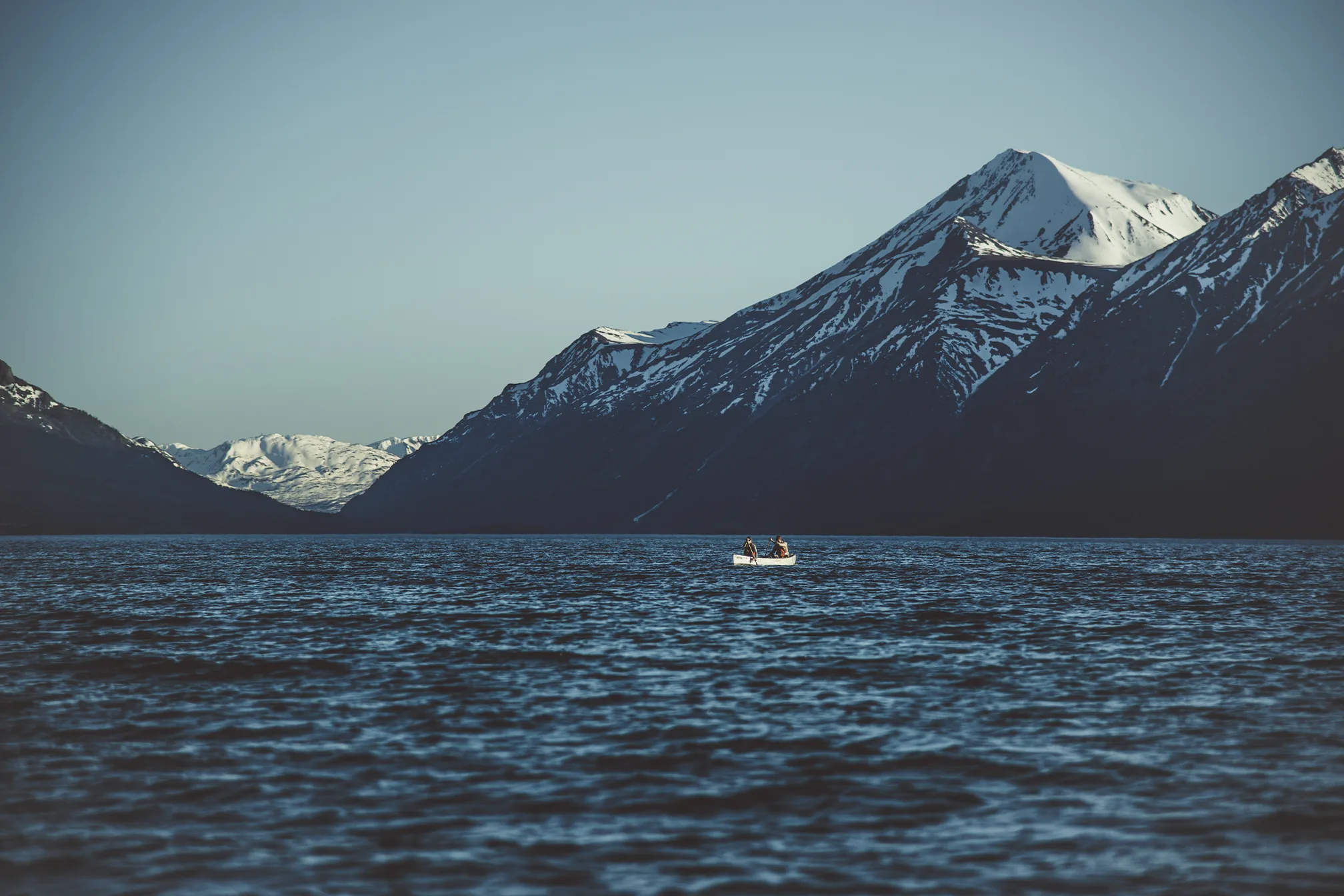
Expedition 2
2016 · Yukon
From Lake Bennett in British Columbia to the Bering Sea in Alaska, this 68-day, 3,200 km expedition followed the legendary course of the Yukon River. A complete immersion in the heart of a wild landscape. Learn more ↓
Full Story
In 2016, Caroline Côté and Ian Finch combined their efforts and shared passion for adventure to launch the Pull of the North expedition. From May to July 2016 (68 days), I joined the expedition, traveling 3,200 kilometers (2,000 miles) by canoe from Lake Bennett in British Columbia (Canada) to the Bering Sea in Alaska (United States).
The expedition was documented from multiple perspectives: Ian Finch (England) and Caroline Côté (Canada) produced a film exploring the diverse Indigenous cultures along the Yukon River and examining how modern influences and environmental changes are affecting traditional ways of life. Meanwhile, Jay Kolsch (United States) captured the journey through photography, providing a visual record of the expedition.
After two days spent in Whitehorse getting to know one another, preparing the canoes, organizing food resupplies, and finalizing our gear, we took a floatplane to Lake Bennett. Although Lake Bennett is not the source of the Yukon River, it offers a particularly spectacular starting point, surrounded by snow-capped mountains and striking turquoise waters. This is where our journey began.
The first part of the expedition consisted of paddling by canoe from Lake Bennett to Dawson City, along the Yukon River—an immersive experience in the heart of the Yukon’s boreal forest, both grand in scale and rich in history. As the kilometers passed, the landscape unfolded into vast wilderness, steep cliffs, and forests of spruce and poplar, creating a profound sense of isolation and authenticity. A stop at Fort Selkirk offered the opportunity to explore a remarkably well-preserved former trading post, bearing witness to the presence of Indigenous peoples and early European settlers, where time seems to stand still.
Dawson City proved to be an essential stop. This historic town, once at the heart of the Klondike Gold Rush, still preserves a rich cultural and architectural heritage. In summer, its lively atmosphere, period buildings, and cultural activities make it an enjoyable place to explore. Stopping there allowed us not only to rest, but also to immerse ourselves in a unique setting where history, culture, and nature come together.
As we continued our journey, we crossed the American border—a simple line on a map, with no visible marker on the ground. The crossing happened almost without us noticing, in the midst of an unbroken natural landscape. We therefore stopped at the first village we encountered, Eagle, on the Yukon River, where a telephone mounted on a pole stood at the center of the community, providing a direct line to U.S. customs authorities. After briefly explaining our expedition, it quickly became clear that our situation was not entirely understood. They ultimately advised us, quite pragmatically, to report to a customs office at the airport once our journey was complete.
Alaska, long perceived as a remote and almost mythical land, is distinguished by its omnipresent wilderness and remarkably diverse landscapes. Spectacular imagery, often highlighted in publications such as National Geographic, attests to the power and beauty of this environment. Towering mountains, snow-capped glaciers, volcanoes, fjords, and an extensive network of largely untouched rivers rich in salmon can all be found across the region. These features extend throughout both its national parks and the broader territory. In addition, the richness of its wildlife and plant life contributes to the uniqueness of this ecosystem, home to iconic species such as grizzly bears, lynx, caribou, moose, sheep, and mountain goats.
In 1867, the United States purchased Alaska from Russia for the modest sum of $7.2 million. Remnants of the gold rush can still be found along the banks of the Yukon River, recalling a prosperous era when dreams of fortune quickly gave way to disappointment for many adventurers. Over time, Alaska developed into a premier destination for outdoor enthusiasts, offering unparalleled opportunities for exploration and adventure.
Alaska left a profound impression on us through the beauty and uniqueness of its landscapes. The daily breeze, often accompanied by rain, helped revive an environment still marked by the long winter. Even at midnight, the lingering sunlight reflected the singular character of this northern land. The Yukon River, a vast and winding waterway, at times slowed and flowed over sediment-rich beds that contributed to the richness of its ecosystems.
Encounters with members of Indigenous communities were also a defining aspect of this experience, allowing us to gain a deeper understanding of the richness of their cultures and histories. Through these exchanges, we came to appreciate the resilience shaped by the often harsh northern climate. Finally, the ever-present forest environment stood as a constant reference point, reminding us each day of the deep connection between this land and those who inhabit it.
A storm struck us in Alaska with remarkable intensity. Within minutes, a rapid drop in temperature turned the rain into hail, which lashed violently against our faces. We had to squint and turn our heads to lessen the pain and burning sensation. Our skin, already worn down by the effort, was partially protected with zinc oxide tape, covering chafed, cracked, and split areas, as well as blisters caused by thousands of paddle strokes. The winds were so strong that they rocked the canoe, to the point where waves filled it with icy water. Driven by a surge of adrenaline, we nonetheless found the strength to steer our boats toward the shore of a small island, where we were able to take shelter safely.
This experience allowed us to better understand the reality faced by many First Nations communities, whose members have lost their lives on the Yukon River. It serves as a powerful reminder of the unpredictable nature of the environment and the fundamental importance of respecting it.
During summer nights near the Arctic Circle, the sun never fully disappears, occasionally slipping behind the mountains, which soften its light. This persistent brightness makes sleep difficult, as the light easily passes through the thin fabric of the tent. In this context, a constant sense of energy sets in, reducing the need for rest. I had the opportunity to experience something particularly memorable by paddling through the entire night on calm waters, carried by a gentle breeze beneath an orange-tinted sky, in the heart of a striking landscape. This nocturnal journey was marked by an atmosphere that was both peaceful and deeply poetic.
On several occasions, we were confronted with an exceptional proliferation of mosquitoes and black flies. Faced with such density, any attempt to resist proved futile. Even the simplest tasks, such as going to the latrine, became challenging, and bites—often in the dozens—were unavoidable. The constant and aggressive presence of these insects began to take a toll on our mental state, to the point where we found ourselves almost hoping, in an incantatory way, for the wind to rise and bring relief. During a stay at a fishing cabin, we also witnessed the extreme consequences of this infestation: a sled dog died during the night, likely weakened by these parasites, while the other members of the pack also showed signs of distress.
In Alaska, the presence of grizzly bears is both significant and imposing. In the spring, as they emerge from hibernation, these animals—driven by hunger—frequently travel along rivers in search of food, whether fish or prey such as moose. Campsites often bore clear signs of their presence, including deep claw marks etched into the ground. Although grizzlies are excellent swimmers, we chose, whenever possible, to camp on islands in order to better anticipate their approach. As a precaution, meals were prepared away from camp, and food barrels were stored several hundred meters from the tents. These contained only the essentials: a sleeping pad, a sleeping bag, cayenne pepper, and a few personal items such as a book. Despite these precautions, the thin fabric of the tents offered a largely illusory sense of security. On some nights, anxiety made it difficult to sleep, giving way to constant vigilance and restless dreams.
In the heart of Alaska’s wilderness, throughout our journey along the winding Yukon River, we had the opportunity to meet members of Athabaskan First Nations communities. Present in this region for over 10,000 years, these communities established themselves across western Canada, Alaska, and along the Yukon River following migrations that crossed the Bering Land Bridge from Asia.
Until recently, First Nations communities relied heavily on salmon as both their primary food source and a cornerstone of their subsistence. However, due to the combined effects of environmental and climate changes, as well as overfishing in the Bering Sea, large salmon populations are now facing increasing difficulty completing their migration and reaching their spawning grounds in the Yukon River, recognized as the 23rd longest river in the world.
Salmon plays a central role in the culture and identity of Indigenous communities in Canada, western Yukon, and Alaska. However, this way of life is now under threat, putting a deeply rooted cultural heritage at risk. As we progressed and stopped in numerous villages, often home to around 200 residents, we gradually immersed ourselves in their history and way of life. These encounters also revealed the extent of ongoing cultural changes. In particular, we witnessed the decline of Indigenous languages, increasingly being replaced by English among younger generations.
The vast majority of Indigenous villages are not accessible by road, with travel primarily taking place by boat or small bush planes. On a misty morning in July, we watched the local baseball team depart by boat for a journey of approximately five hours to attend a tournament in a neighboring community. Despite this geographic isolation, all villages—even the smallest, with as few as 60 inhabitants—have access to satellite internet.
Exploring cultural transformations was a central component of our journey. The Indigenous cultures we encountered are deeply rooted in a close relationship with nature, wildlife, ancestral knowledge, and spiritual beliefs. However, several aspects of this way of life—particularly language, hunting, fishing, trapping, and traditional artistic practices—are attracting less interest among younger generations. Drawn by the opportunities offered by modern technologies, many are increasingly leaving their communities to settle in urban centers such as Fairbanks and Anchorage.
The various Indigenous communities we encountered in Alaska are going through a pivotal period, marked by profound changes linked to the adaptation to modern life. Over generations, several fundamental elements of their culture—including traditional ways of living, core values, their relationship with the land, and the transmission of knowledge—are becoming increasingly fragile.
The growing influence of new technologies, combined with increased access to often ill-suited consumer products—such as processed foods, high-cost alcohol, and drugs—further intensifies these challenges. These issues are compounded by difficult socioeconomic conditions, including poverty, sometimes inadequate infrastructure, overcrowding, and social and mental health concerns that contribute to ongoing isolation.
In this context, daily life within these communities is marked by a constant search for balance between tradition and modernity. Preserving their cultural identity represents a major challenge, requiring sustained efforts to ensure the transmission of a millennia-old heritage and to prevent the gradual erosion of deeply rooted knowledge and ways of life.
Within the communities established along this vast river system, Elders play a vital role in the transmission and preservation of culture. They uphold the customs, rituals, spiritual traditions, and ancestral beliefs that shape their collective identity. For these generations, the cyclical nature of the seasons continues to deeply influence both their way of life and their relationship with the environment. Each time of year brings its own challenges and calls for specific practices, often guided by respect and reverence. As such, subsistence activities, including hunting, are still carried out within well-defined ritual frameworks tied to particular moments in the annual cycle.
Their worldview is grounded in the belief that the natural and spiritual realms are closely interconnected and inseparable. This relationship with the land, central to their system of values, remains deeply rooted and is passed on, whenever possible, to younger generations. For all of these Indigenous communities, ensuring the continuity and preservation of their language, belief systems, and cultural practices represents a major challenge—one for which solutions are still evolving.
Martin Trahan – Caroline Côté – Ian Finch – Jay Kolsch
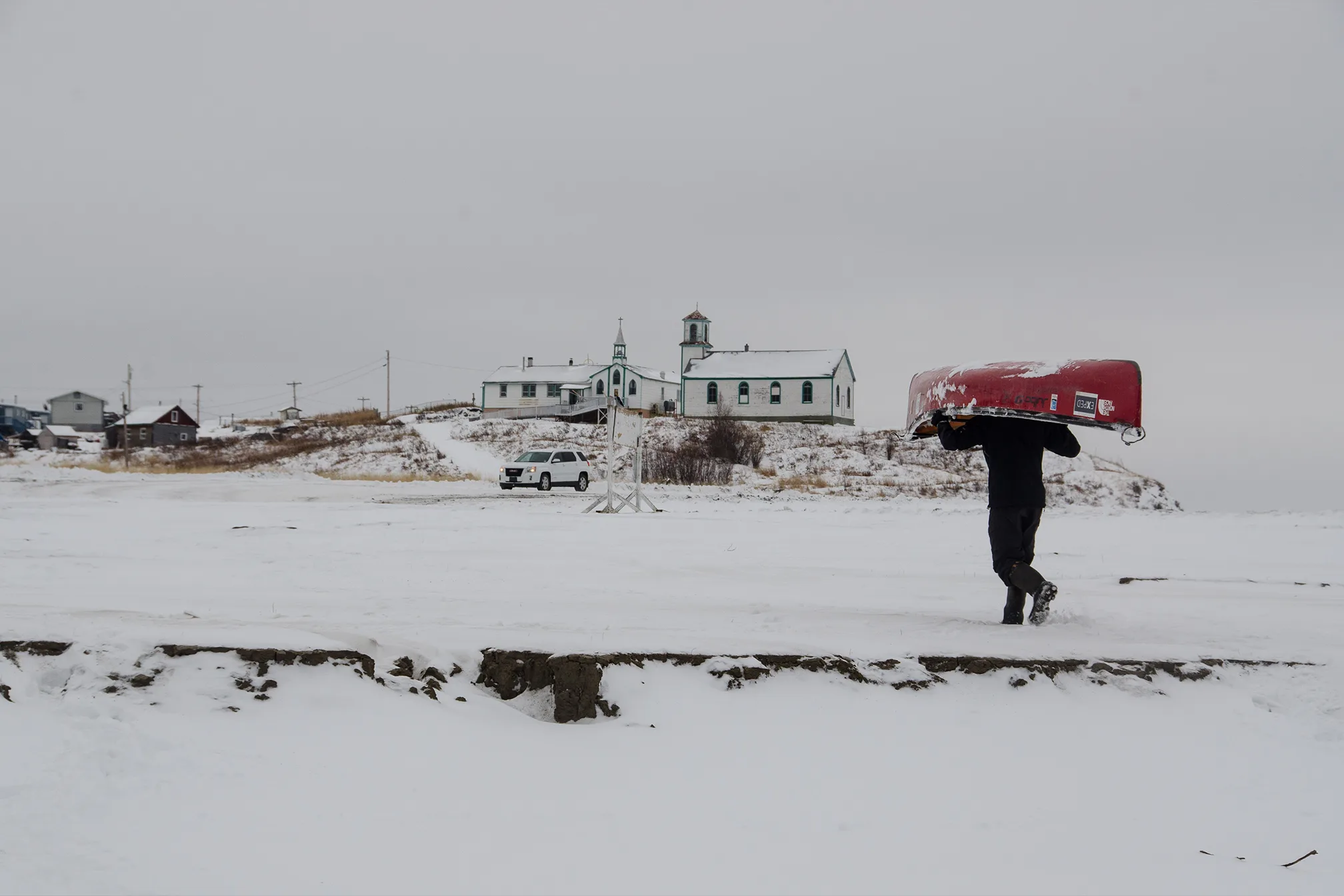
Expedition 1
2015 · Canada
A canoe journey across a vast portion of Canada, tracing a sweeping diagonal through the world’s second-largest country. A 175-day expedition covering 7,000 km, including 117 portages and 13 resupplies. Learn more ↓
Full Story
In 2015, our expedition Les Chemins de l’Or Bleu received the prestigious ‘Canadian Expedition of the Year’ award from the Royal Canadian Geographical Society. Our team of six paddlers crossed a vast portion of Canada by canoe, tracing a grand diagonal across the world’s second-largest country.
The journey began on April 25th in the icy waters of Lac des Deux Montagnes in Montreal. It ended 7,000 kilometres later, on October 16, on the Mackenzie River coast in Inuvik, within the Arctic Circle. This 175-day adventure included 117 portages and 13 food resupplies. The expedition was both challenging and rich in experience, where every paddle stroke brought us closer to something greater than ourselves.
On the morning of our grand departure, nearly a hundred people gathered on the riverbank to wish us well. Friends, family members, and groups of former campers from Kéno and Minogami joined us. That sea of familiar faces, all there with affection and support, was genuinely moving. As our canoes slipped into the water and our first paddle strokes cut the surface, a spontaneous chorus rose behind us. Camp songs carried through the air like wishes for safe travels and fair winds.
After our memorable send-off in Montreal, we launched our major expedition across Canada’s vast landscapes by following the routes historically travelled by early explorers and Indigenous peoples during the fur trade. Our journey began northwest of Montreal Island, on Lac des Deux Montagnes. From there, we paddled 150 kilometres along the Ottawa River to Ottawa. Next, we continued upstream for another 325 kilometres, portaging around several hydroelectric dams to reach the Mattawa River. This section of the expedition occurred in the spring, immediately after the ice had melted, when the river was in flood. The high, powerful, and sometimes unpredictable waters during this period slowed our progress.
Continuing onward, we left the Mattawa River and reached Lake Nipissing in North Bay, where we made our second resupply before paddling 110 kilometres along the French River, a waterway steeped in history and once travelled by Indigenous peoples and fur trade voyageurs. Canoeing this route was like stepping back in time, tracing the same waters that had seen countless expeditions connect the Great Lakes basin to the St. Lawrence. Between rapids and meanders, we could feel the echo of the past in the currents guiding us.
From the French River, the expedition brought us to Georgian Bay and Lake Huron, which we traversed over 300 kilometres to Sault Ste. Marie. This marked our first experience on such a vast body of water, and it did not spare us. The clear waters contrasted with sudden winds and breaking waves, often testing our endurance. Georgian Bay offered breathtaking scenery: shores dotted with pink granite islands, dense forests plunging into crystal-clear waters, and sunsets lighting the horizon. Here, we passed through a massive lock, opening onto the staggering expanse of Lake Superior – a new stage, both grand and formidable.
With Lake Huron behind us, we began crossing the majestic Lake Superior, the world’s largest freshwater lake by surface area, paddling nearly 800 kilometres through its powerful and unpredictable waters. Canoeing Lake Superior was like navigating an inland sea. At times, opaque fog enveloped us completely, erasing the horizon, while waves sometimes reached such heights that they demanded constant vigilance, reminding us of the raw power of this freshwater giant. Conditions were once so intense that one of our teammates became seasick, vomiting as though we were paddling across an unforgiving ocean rather than a lake. With water temperatures near 3 °C, the risks increased. Even basic hygiene routines became rare and particularly challenging, each immersion a test of endurance.
Upon reaching Lake Superior, one of our teammates struggled with persistent back pain that significantly slowed our progress. On a time-sensitive Canada crossing, each delay threatened our ability to reach our goal before the ice formed. Lake Superior further intensified these challenges by creating demanding navigation conditions, making evacuation difficult and complicating the replacement of a team member. After the first few days, a difficult decision had to be made: our teammate returned home for treatment, with the understanding that a temporary replacement would join the team. Unfortunately, her back issues prevented her from rejoining the expedition.
Following the events on Lake Superior, we set out to navigate the Boundary Waters, following an invisible line between Canada and the United States, where each paddle stroke crossed a border discernible only on the map. This network of lakes and rivers required around forty portages. The largest, the 13.6-kilometre Grand Portage, allowed us to avoid the daunting Pigeon River climb. This 500-kilometre section posed many challenges, including a high tick population. All of us were bitten multiple times, raising concerns about Lyme disease. A four-day stop at Gunflint Lodge offered a well-deserved break, an opportunity to resupply and regain energy for the journey ahead.
The Boundary Waters are a canoeing landmark in the United States, rich in history and deeply rooted in North American culture. Indigenous peoples long travelled these waterways, followed by voyageurs and trappers. Over time, they became a protected and almost sacred space for generations of Americans. Scout camps, family trips, and first canoe adventures created a collective imagination steeped in learning, transmission, and respect for nature. Though I knew little of this area before paddling, I quickly realised it represents more than a route. It is a living heritage, carefully preserved.
From Lake of the Woods, we travelled roughly 400 kilometres. We portaged around several hydroelectric dams to reach Lake Winnipeg. Crossing this vast lake – 425 kilometres – was particularly gruelling. Violent winds and unpredictable waves battered us. Instead of the planned 10 days, we ended up taking 16. The lake’s shallow waters made large waves unavoidable. These forced us to stop for days, giving our exhausted bodies time to recover.
From Lake Winnipeg, our route continued through Cedar Lake – a true aquatic labyrinth – and up the Saskatchewan River to the Churchill system. Paddling upstream for about 900 kilometres required sustained effort, including 54 portages. The 19-kilometre Methye Portage took two days and was one of the greatest challenges of this section. We traversed territories rich in history and culture, home to many Indigenous communities, living witnesses to the ‘memory of waters’. At Churchill Canoe Outfitters, we were hosted by Ric Driediger, a living canoe legend and friend of the late Bill Mason.
We travelled through ancient lands shaped and inhabited by First Nations communities for generations. These rivers and lakes still sustain families who rely on hunting, fishing, and a deep connection to the land. Villages welcomed us with curious smiles, shared stories, and the attentive eyes of elders. For them, the canoe remains a symbol of continuity and transmission. My limited knowledge of these lands turned into profound lessons through these encounters. These were some of the expedition’s most memorable moments. Every paddle stroke reminded us we were only passing through paths long travelled before us.
Bannock is a type of flatbread that references our native gastronomic heritage. It is a traditional breakfast enjoyed by the campfire. This bread with chocolate chips and dried cranberries or raisins brings immeasurable joy. Each adventurer has a unique recipe that adapts to available ingredients. Baked over the fire, it only needs a thick layer of Nutella or some maple syrup for comfort. This high-sugar meal is always very much appreciated.
With the Churchill system behind us, we reached the Clearwater River and could finally ride the current to Fort McMurray, where we swapped summer gear for cold-weather equipment, preparing for subfreezing temperatures that would soon test our endurance. We then paddled the Athabasca and Slave Rivers for 800 kilometres to Great Slave Lake, the ninth largest freshwater lake in the world.
During this next stage, the Athabasca River and its surrounding tar sands were by far the least scenic section of our Canadian crossing. Here, we had to carry our own water, as drinking directly from the river was strongly discouraged. The polluted waters, alongside visible tar sands facilities, created a stark contrast after weeks in the wild. At night, the flaring stacks lit the horizon – a surreal reminder of industrial intrusion in nature.
Shortly after our time on the Athabasca, cooler temperatures arrived. Though still above freezing, the air grew crisp, signalling the approaching change of season. Autumn was not yet official, but the landscapes reflected it fully. Days shortened, and the air became sharper.
South of Fort Smith, the Slave River gathers strength and accelerates into a powerful stretch of whitewater that has long shaped travel in the region. The rapids between Fort Fitzgerald and Fort Smith have, for generations, forced travellers to leave the river and carry their loads overland. This necessity gave rise to a well-established portage corridor connecting the two communities.
In modern times, these same rapids have become a destination for whitewater paddlers. Each summer, kayakers from across Canada and beyond gather on the Slave River for the annual Paddlefest, drawn by the massive waves and technical nature of the rapids. For canoeists, however – particularly without local knowledge or a guide – this section remains a serious undertaking. In our case, the safest and most reasonable option was to complete the 27-kilometre portage by following the gravel road between Fort Fitzgerald and Fort Smith.
A particularly rewarding aspect of the Slave River was the strong current, allowing us to cover long distances, sometimes nearly twice what we could achieve on a lake, a major encouragement, especially knowing snowflakes were already falling further north along the Mackenzie River.
In Alberta, we witnessed a spectacle few expeditions experience: the northern lights. For the first time in my life and for several teammates, the sky became a living canvas, green ribbons undulating with unreal grace. We even camped overnight under freezing stars just to be enveloped by this mysterious light. Each movement seemed to whisper ancient stories, revealing the majesty and fragility of nature in its purest poetry.
Our canoeing along the Slave River was observed by increasingly frequent black bears. At the end of summer, sated from the season’s abundance, they appeared massive, calm and deeply rooted in their territory. For me, it was the first time I shared space so intimately with such an animal, encountering them almost daily. One evening, as camp came alive around the fire, a curious, large black bear approached silently. Our six voices rose in unison to scare it off, followed by careful vigilance. Unarmed except for bear spray and bear bangers, we strictly managed food odours, storing all provisions in sealed barrels away from tents. Encounters with black bears are risky but profoundly impactful, revealing a majestic creature often reduced to a mere object of fear in popular imagination.
Our adventure concluded on the Mackenzie River, which we descended for 1,600 kilometres. It was here that we covered more than 100 kilometres in a single day – something we achieved only once. Along the riverbanks, grizzlies reminded us of the North’s raw power and beauty. In the final days, snow covered the ground, making it difficult to find firewood for cooking. Despite boots rated for -40 °C, I struggled to keep my feet warm.
With just a few days left in our Mackenzie River descent, a hard-to-document rapid had been worrying me for weeks. Our plan was simple: stop upstream, observe it and assess its safety. That afternoon, however, a stronger-than-expected current caught us by surprise and made the bank inaccessible, rising as a steep, sharp edge about 2–3 feet high.
Trapped in the wrong spot, we instinctively hugged the edge instead of aiming slightly offshore and plunged over a massive first drop. The impact tore off our velcro spray deck, already poorly secured by ice. For the second equally enormous drop, we had no protection and the canoe filled with water. In those icy waters, a capsize would have been disastrous, made worse by the fact that I hadn’t put on my dry suit, confident we’d have time to assess the rapid before committing.
We were ultimately forced to end our expedition in the village of Tsiigehtchic, as the small river branch intended to carry us to Inuvik the following day had, unfortunately, already frozen. The remaining approximately 90 kilometres had to be covered by truck along a dirt road. We arrived in Inuvik quietly without fanfare or a welcoming committee to mark the conclusion of our journey. None of that mattered, for we were genuinely proud of what we had achieved.
After six months of effort, wonder and resilience, we departed Inuvik by air, partially retracing the route we had travelled by our own strength. I returned home with an unkempt beard, 40 pounds lighter and utterly exhausted. A period of readjustment was needed to reconnect with daily life.
We crossed lands full of history, beauty and extraordinary people. None of it would have been possible without my teammates and the incredible souls who supported us near and far. Family, friends and the river angels we met along the way showed us kindness beyond words.
In reality, the adventure did not end upon leaving the water. Returning home was part of it, and for me, the most challenging phase. It was far harder than planning, logistics, or even managing tensions between teammates.
I faced a deep emptiness. A sudden, brutal depression hit me unexpectedly. I had invested months—years even—of energy, time and effort preparing this expedition, but gave little thought to life afterwards.
Weeks after returning, friends resumed their normal routines. I gradually found myself more alone and isolated, engulfed by a profound emptiness that was hard to name and even harder to manage.
Looking back, I smile at my own naïveté. I thought I had everything under control when planning, but I had only scratched the surface. Every step, decision, and challenge exposed gaps in my knowledge and experience. What seemed straightforward often demanded improvisation, patience, and humility—a lesson not just in logistics but in resilience, teamwork and self-awareness, revealed only in the midst of the journey.
I simply believed in my dream. Sometimes, that’s all it takes. With effort, commitment and the right people around you, the impossible becomes attainable. Anyone can achieve great things; the courage to chase your dreams is the first step.
Martin Trahan – Julien Bilodeau – Valérie Jolicoeur – Annik Shamlian – Pénélope Germain-Chartrand – Jérémie Bélair – Simon Nadeau – Frédéric Dufresne